
When you look in the mirror, your jawline may seem less defined than before,
or you may feel that the cheeks have started to sag downward.
On days when you’re tired,
the area around the nasolabial folds can look deeper,
and when you take photos,
your facial contour may look different from before,
which leads you to consider a lifting procedure.
One of the procedures many people look into at this time
is Thermage.
However, Thermage should not be understood
simply as a procedure that makes the skin look tighter.
It is a procedure that requires consideration of
skin thickness, the degree of decreased elasticity,
the distribution of the fat layer, and lifestyle habits.
Rather than applying it in the same way for everyone,
it is important to first check the conditions of the skin.
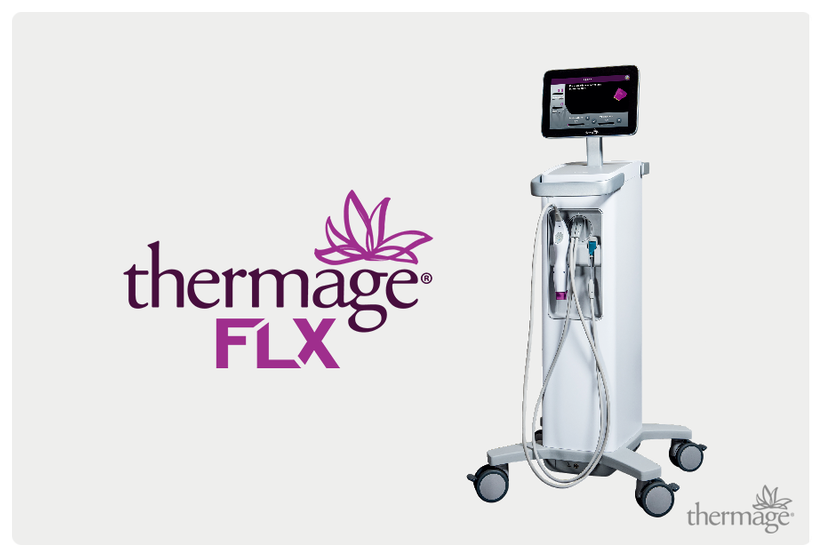
Thermage is a lifting device that uses radiofrequency energy
to deliver heat to the dermis and part of the fat layer.
Rather than strongly stimulating the surface,
it delivers thermal energy inward
to induce changes in collagen fibers.
Collagen is an important structure involved in maintaining elasticity
and density.
As people age or are exposed to a lot of ultraviolet light,
the amount and quality of collagen gradually change,
causing the skin to become thinner, lose elasticity,
and show fine lines and sagging more clearly.
Thermage works by applying thermal stimulation to this collagen structure,
with the expectation of an immediate contraction response
and a later remodeling process.
For that reason, some people may feel that their skin looks a bit more organized right after the procedure,
but in general, changes often appear gradually over time.
This process varies depending on the individual’s condition,
the degree of aging,
the responsiveness of existing collagen,
and lifestyle habits.
Therefore, rather than thinking that Thermage will complete every change with just one session,
it is necessary to approach it systematically,
while allowing time for the skin to respond.
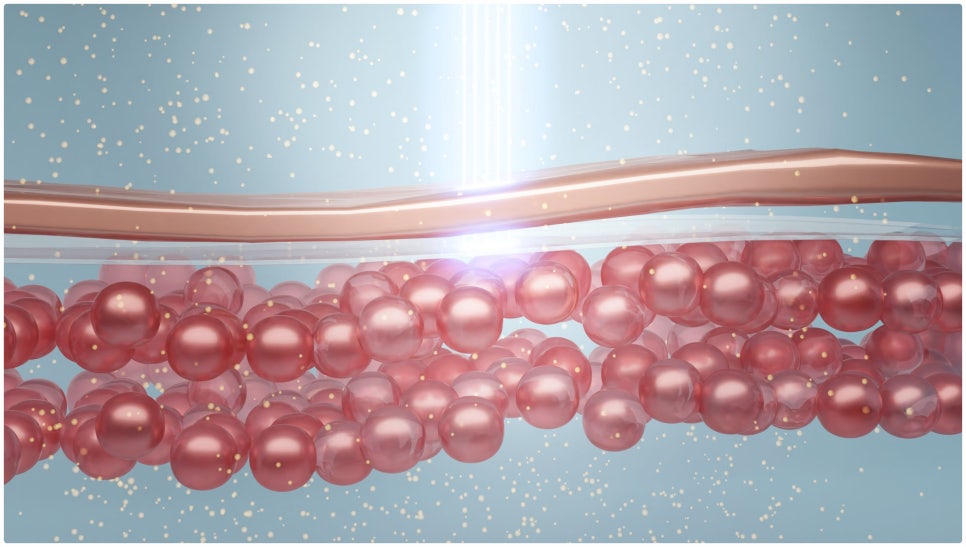
Thermage is often considered for people whose skin has started to thin
and lose elasticity.
In particular, rather than the entire face having significantly sagged,
it may be suitable for consultation when the cheeks, jawline, eye area,
or around the nasolabial folds feel loose,
and the skin texture no longer looks as smooth as before even after makeup.
If the skin still has a certain amount of thickness
and elasticity loss has begun,
you may be able to expect improved skin density through Thermage.
On the other hand, if the cause of sagging is closer to the weight of fat than the skin itself,
or if the skin is very thin and sensitive,
a similar type of energy-based procedure may feel burdensome.
Also, if acne inflammation is severe,
the skin barrier is significantly weakened,
or redness and sensitivity are pronounced,
it may be necessary to first stabilize the skin condition.
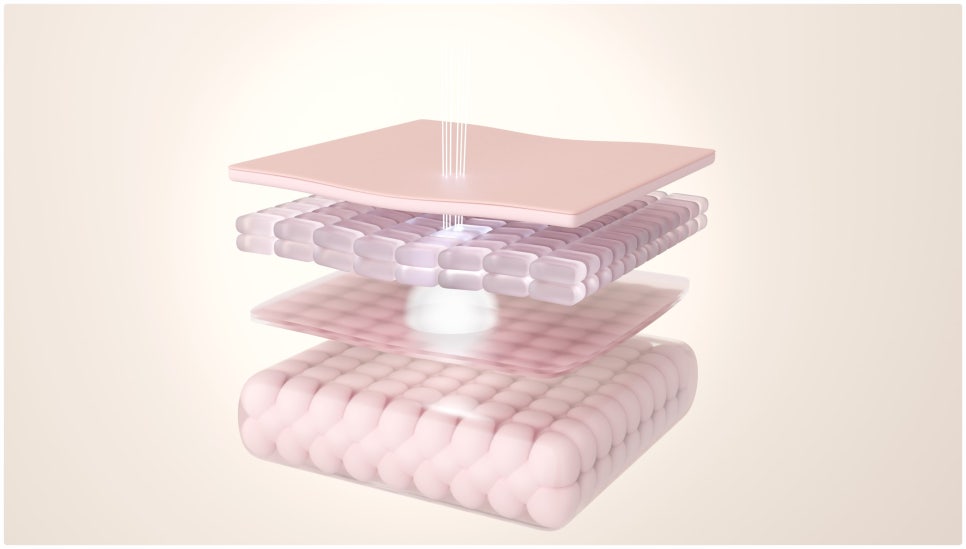
Because Thermage is a procedure that aims to stimulate collagen response,
repeating it at very short intervals does not necessarily lead to better results.
After the skin receives heat stimulation,
it goes through a recovery and rebuilding process,
and only when enough time is allowed for this process
can natural changes be expected.
In general, Thermage intervals are adjusted according to the condition,
age, degree of sagging,
and previous procedure history.
Most often, it is carried out by observing changes over several months
and then setting the next plan if needed.
The important point here is that
the procedure schedule should not be determined by dates alone,
but by checking how the skin actually responds.
Rather than planning frequent repetition from the start,
it is more realistic to check the skin texture, firmness, jawline changes,
and the feel of fine lines after the procedure,
then decide on an interval that suits the individual.
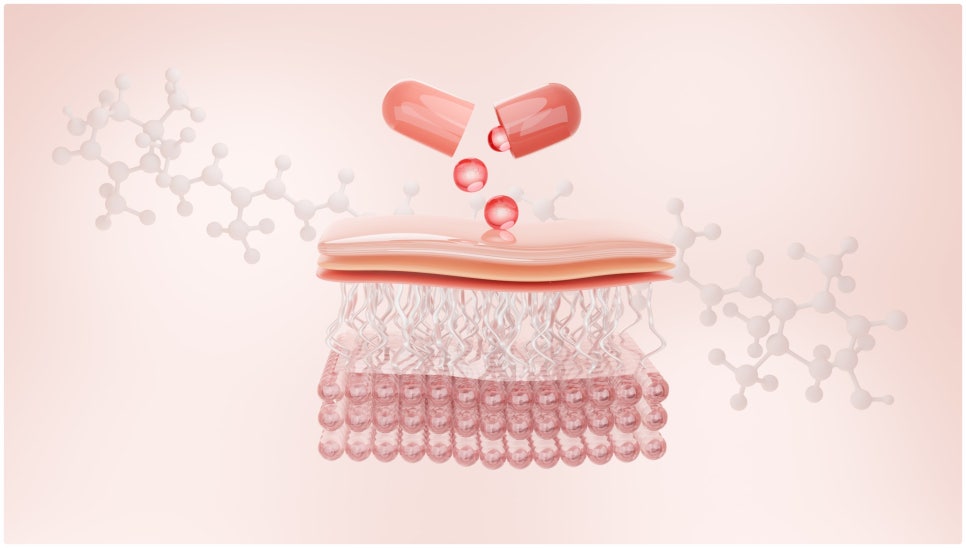
Before a Thermage consultation,
it helps to organize the areas you are most concerned about in detail.
For example, whether the jawline looks less defined,
whether the cheeks feel like they have dropped downward,
whether fine lines around the eyes are a concern,
or whether pores are also an issue along with skin texture,
can all change the direction of the consultation.
You should also inform the medical staff about any recent laser procedures,
a history of filler or Botox treatments,
medications you are taking,
and any history of skin conditions.
This information is an important reference
when determining the timing of the procedure,
energy settings,
and precautions.
If you are looking for a Gangnam Saturday dermatology clinic because visiting on weekdays is difficult,
it is still a good idea to carefully review skin type, lifestyle pattern,
and available recovery time through a thorough consultation.
Just as important as receiving Thermage well
are keeping to the treatment schedule,
avoiding excessive stimulation after the procedure,
and continuing sun protection and moisturizing care.
Changes begin more naturally
when you slowly check what kind of lifting you actually need.
Gangnam Saturday Dermatology Clinic, Gangnam Saturday Dermatology Clinic, Gangnam Saturday Dermatology Clinic,