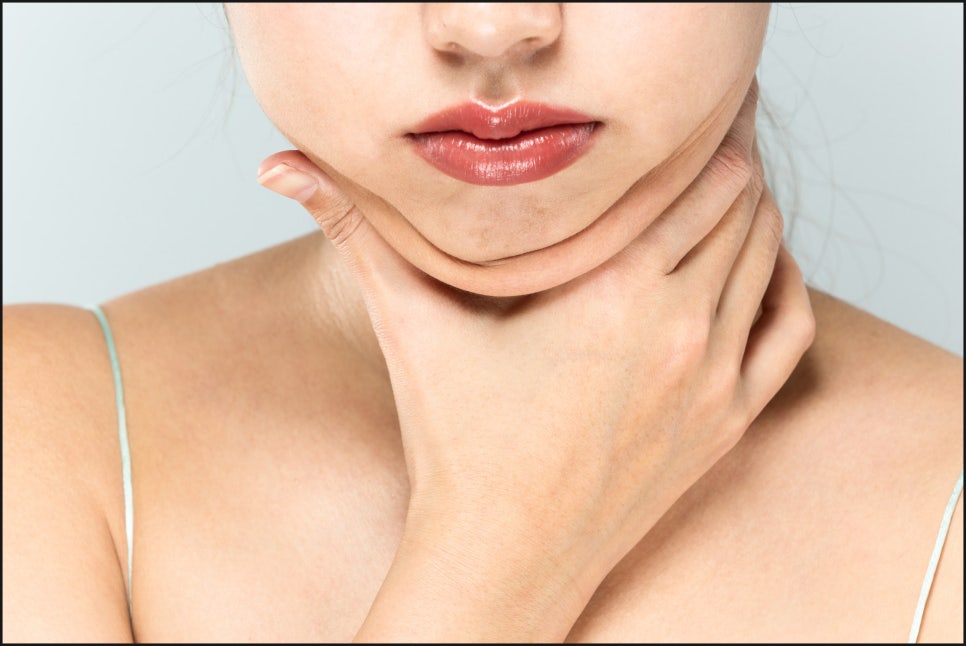
When your facial line looks heavier than before,
or when your jawline feels less defined,
many people start considering lifting procedures.
In particular, surgical methods can feel burdensome,
and if you are looking for an option that does not greatly disrupt daily life,
you may end up learning about Ultherapy.
However, Ultherapy should not simply be thought of as
a procedure that “pulls up sagging skin.”
Depending on the condition of the skin,
the changes and level of satisfaction you feel can vary.
Even when the same device is used,
the treatment approach should differ depending on
skin thickness, the amount of fat layer, the degree of elasticity loss,
and the shape of the face.
So if you are looking for a Yeoksam Station Saturday dermatology clinic,
it is important to first discuss through consultation
whether Ultherapy is the right procedure for you,
or whether it should be considered together with other methods.
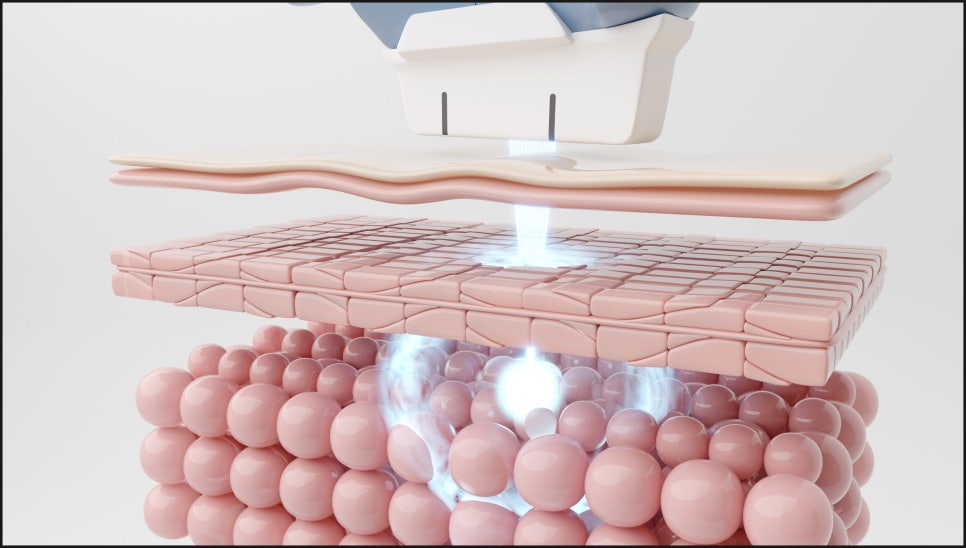
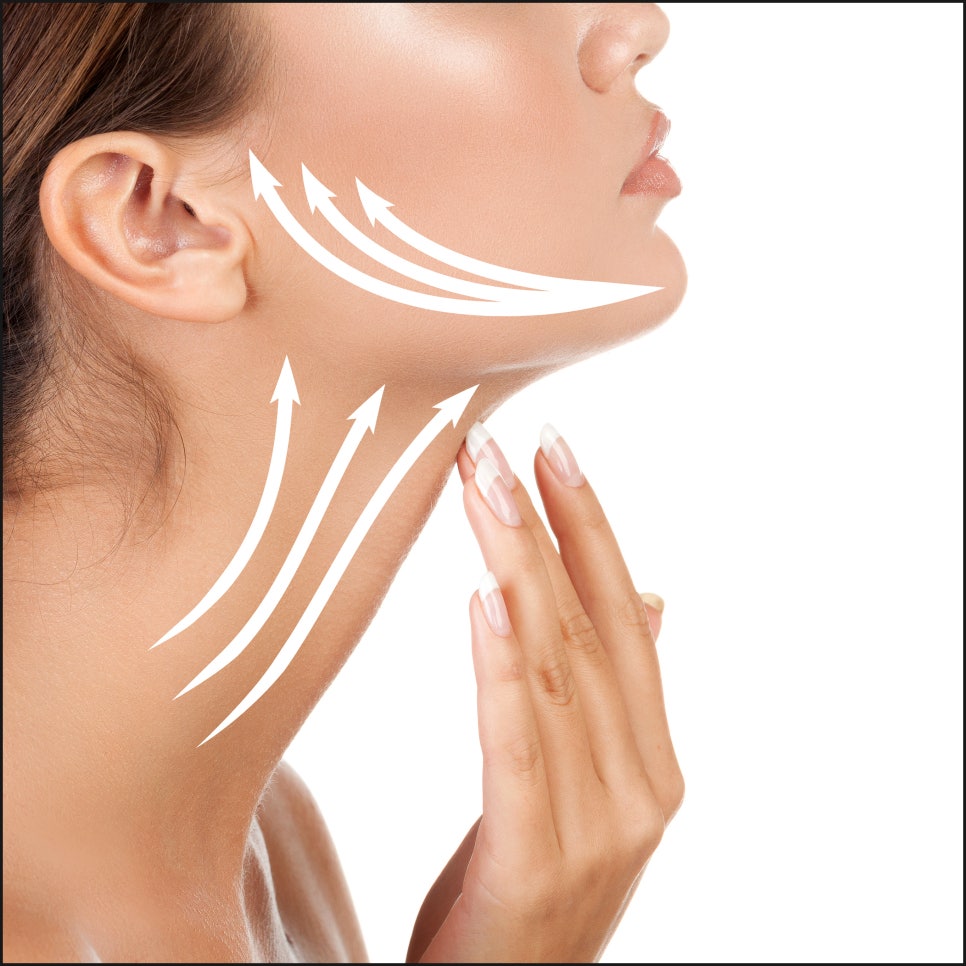
Ultherapy is a lifting procedure that manages areas where elasticity has decreased
by delivering ultrasound energy deep into the skin.
It is often considered when the jawline looks less firm,
when the area below the cheeks appears saggy and makes the face look less defined,
or when the double chin area is a concern.
It may also be helpful when the cause is a loss of elasticity inside the skin
rather than on the skin surface.
However, it is not applied in the same way to every face shape.
For people with very thin skin
or those with a thin fat layer in the cheek area,
the depth and intensity of energy delivery,
as well as the treatment area, must be adjusted carefully.
In such cases, if treatment is performed too aggressively on the cheeks,
the cheeks may appear sunken
or the face may look thinner.
What people commonly call hollow cheeks is not only a matter of elasticity,
but is also related to the amount of fat layer,
the structure of the cheekbones and jawline,
and the person’s existing facial shape.
Therefore, when considering Ultherapy,
you should not look only at the areas with sagging,
but also check the areas where hollowing could occur.
Ultherapy is performed by delivering high-intensity focused ultrasound energy
to a specific depth inside the skin.
A key feature is that it is planned so that the ultrasound energy
reaches the necessary layer without making an incision on the skin surface.
Before the procedure, the degree of sagging across the face,
skin thickness, fat distribution, and the jawline and cheek lines
are checked first.
Then, depending on the areas that need treatment,
the depth of the tip used, the number of shots,
and the treatment range are determined.
For example, the approach may differ
between someone concerned about the jawline and double chin
and someone concerned about sagging cheeks.
Also, if the face is relatively slim,
it may be more appropriate to plan treatment focusing on the jawline,
under the chin, and the outer contours of the face,
rather than the center of the cheeks.
At clinics such as Transparent Dermatology,
where the authenticity of Ultherapy equipment and the individual facial structure
are both checked,
consultation may be conducted by adjusting the treatment range
to match the condition, rather than simply applying a fixed number of shots.

Ultherapy is not a procedure that makes the face suddenly and dramatically change right after treatment,
but rather one where changes in elasticity may gradually become noticeable over time.
Although there are individual differences,
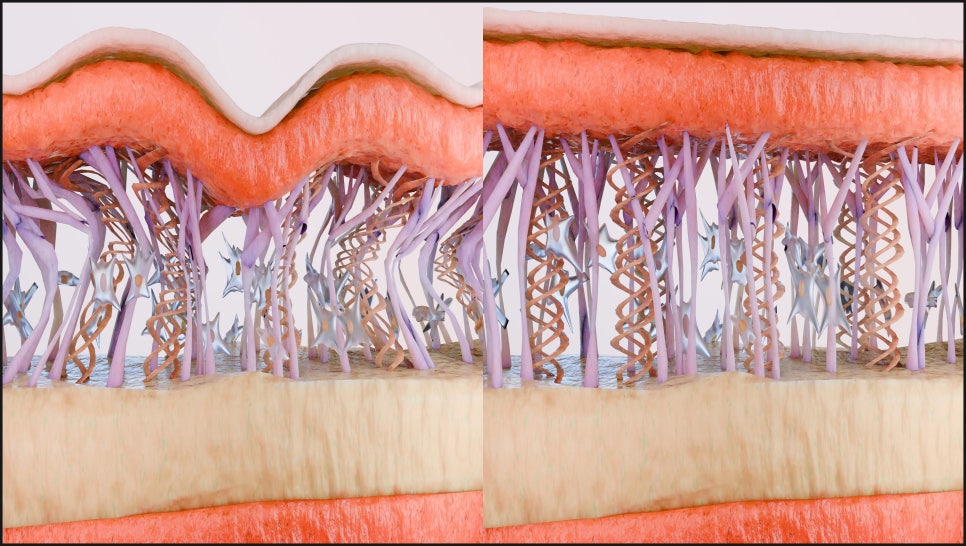
as the tissue in the area where ultrasound energy was delivered is stimulated,
you may expect the jawline, lower cheeks, and outer facial line
to appear a little more refined.
However, because Ultherapy is not a procedure that adds volume,
if cheek hollowing is already pronounced
or if the mid-face volume is insufficient,
Ultherapy alone may not create a satisfying appearance.
In such cases, it is necessary to divide the areas that need lifting
from the areas that need volume support
and plan accordingly.
On the other hand, if the face has more fat
or if the submental sagging is a concern,
depending on the treatment area selected,
it may help the facial line look lighter.
What matters most
is not proceeding strongly without adjustment,
but distinguishing the depth and range you actually need.
After Ultherapy, temporary redness,
heat sensation, tightness, and tenderness
may occur.
In most cases these symptoms ease over time,
but depending on the individual,
a heavy feeling may remain when chewing for several days.
On the day of the procedure, it is best to avoid actions that raise body heat too much,
such as excessive drinking, saunas, steam rooms,
or intense exercise.
Also, during periods when the skin feels sensitive,
strong massage, facial massage treatments,
and excessive use of at-home devices
can also become irritating.
Sunscreen use and moisturizing care
help maintain the skin’s condition after the procedure.
It is best to avoid pressing hard on the treated area
or repeatedly rubbing it because of swelling.
If pain lasts for a long time
or you feel a sensory abnormality,
you should not dismiss it on your own
but contact the clinic where you received treatment to check your condition.
For people who find it difficult to make time on weekdays,
it is common to look into Ultherapy consultations
around a Yeoksam Station Saturday dermatology clinic.
If you plan to visit on Saturday,
it is better not to look only at whether reservations are available,
but also to check whether there is enough time for consultation and treatment
and whether the face is carefully examined before the procedure.
Even with the same number of shots,
the direction of the result can vary depending on
where and how they are placed.
Transparent Dermatology, near Yeoksam Station,
places importance on consultations centered on the necessary care
based on each person’s condition and facial shape.
It has certified genuine Ultherapy and Thermage FLX devices,
and does not view lifting procedures as merely a matter of choosing equipment;
instead, it focuses on planning by examining thickness,
elasticity, and the distribution of the fat layer together.
If you are considering Ultherapy,
please first calmly check whether sagging is the main issue for your face,
whether hollowing is also present,
and which areas need what level of stimulation.