Gangnam redness laser: does every red face
need the same treatment?
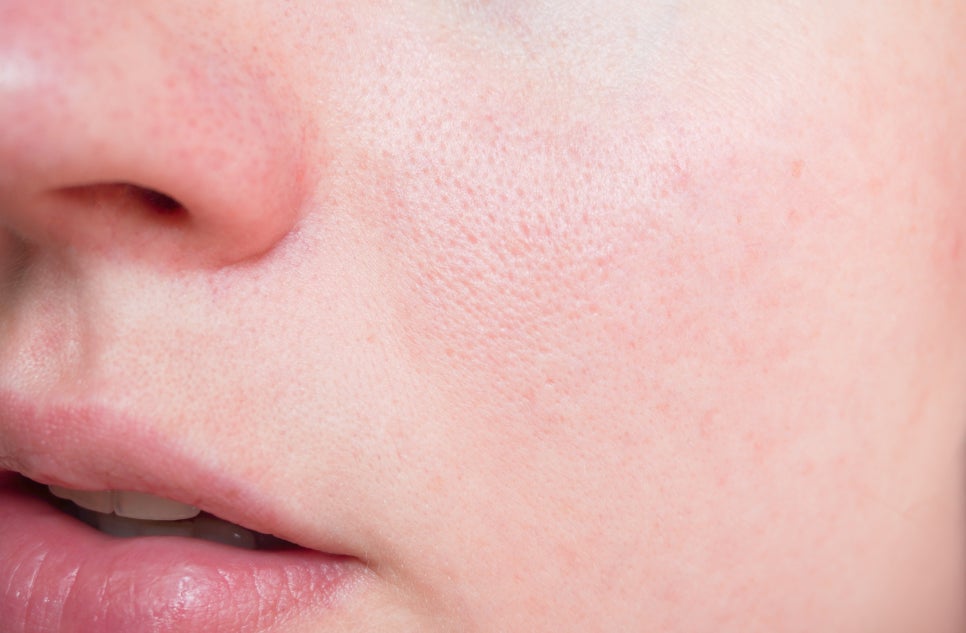
When you come indoors from the cold into a warm place,
when you eat hot food,
or during a tense moment, your face may turn red—
something that can happen to anyone at least once.
However, if the redness does not easily subside
even after some time,
or your face repeatedly becomes red
even with slight stimulation,
it may be difficult to attribute this
simply to sensitive skin.
In the consultation room, we often hear comments such as:
“ I thought it was because my skin was naturally thin.”
“Even when I cover it with makeup, my cheeks always look red, which concerns me.”
Although they may all look like similar forms of facial redness,
the causes and skin conditions involved
can vary from person to person.
If these differences are not sufficiently assessed
and everyone is treated in the same way,
it may be difficult to achieve the desired changes.
Then why does recurring
facial redness occur,
and in what cases can V-Beam,
widely known as a Gangnam redness laser,
be considered?
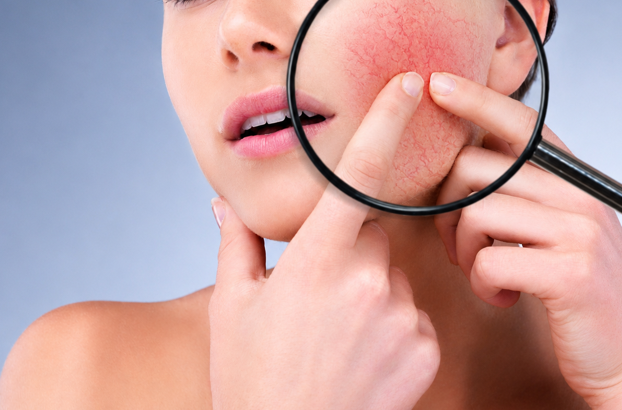
Redness is a symptom that appears
when the blood vessels in the facial skin
dilate temporarily or repeatedly.
A face that briefly turns red due to exercise
or an emotional change is
a natural physiological response,
but if the redness recurs
without any particular reason
or persists for a long time,
its cause should be assessed.
Possible causes of facial redness include dilated blood vessels,
rosacea, a weakened skin barrier, temperature changes,
ultraviolet exposure, alcohol consumption, spicy foods, and stress.
Rosacea in particular may be accompanied by flushing or stinging
and inflammatory lesions,
so it may require a different diagnosis
and treatment from ordinary redness.
Because not all redness has the same cause,
it is important to establish a treatment plan suited to the individual
after comprehensively assessing when the symptoms appear,
aggravating factors,
the condition of the blood vessels,
and the state of the skin barrier and any inflammation.
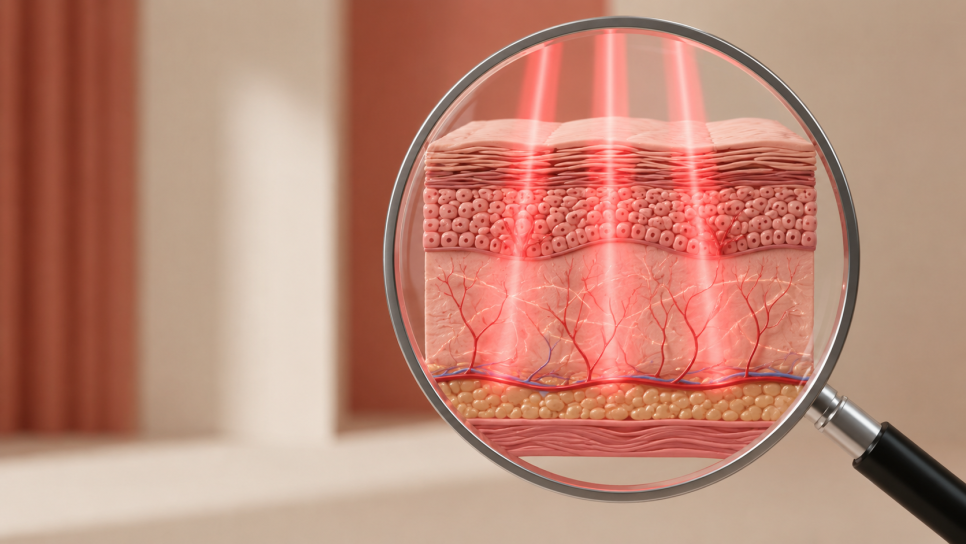
The Gangnam redness laser V-Beam
is a vascular laser that selectively reacts to hemoglobin in the blood vessels
and acts on dilated vessels.
While taking its effects on the surrounding skin tissue into consideration,
its use may be considered for vascular redness,
dilated capillaries,
or redness associated with rosacea.
However, it is not used in the same way
for every type of redness.
If barrier damage or another skin condition is the cause,
the skin may first need to recover,
or other treatments may be considered alongside it.
Therefore, it is important to establish a treatment plan suited to the individual
after comprehensively assessing the extent of facial redness,
the distribution of blood vessels,
skin sensitivity, and lifestyle habits.

Temporary redness or swelling may occur after the procedure,
and the intensity and duration of the reaction
may vary depending on the individual’s condition.
During the recovery period, it is best not to rub
or irritate the skin harshly,
and it may be helpful to cleanse the skin
and use cosmetics in ways that minimize irritation.
In addition, use sunscreen consistently,
and avoid hot saunas, excessive alcohol consumption,
and intense heat exposure for a certain period.
Because skin reactions after the procedure
may vary from person to person,
it is important to follow the medical staff’s instructions,
manage the skin accordingly,
and monitor its progress.
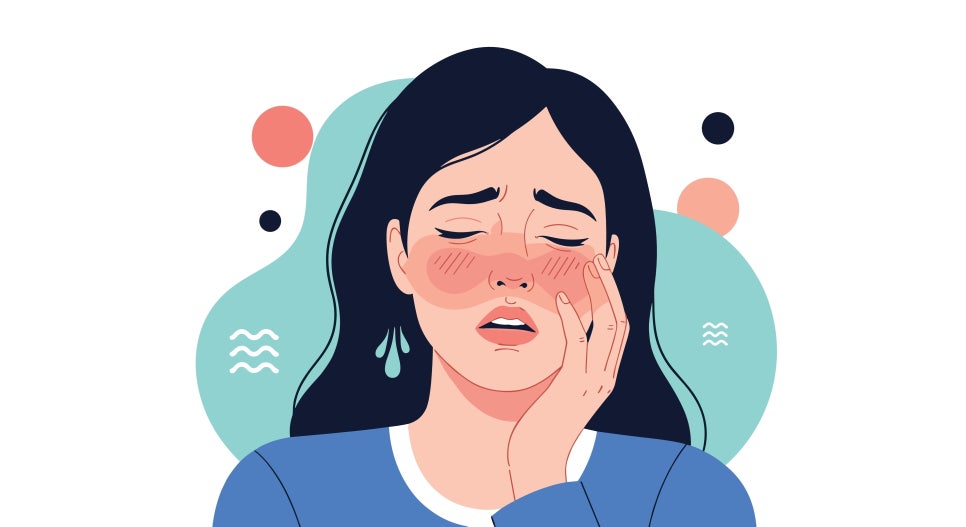
The number of Gangnam redness laser V-Beam sessions
may vary depending on the cause and duration of the redness,
the extent of the blood vessels,
and the individual’s condition.
Therefore, it is important to thoroughly assess the skin condition
before treatment and establish a plan suited to the individual.
At Transparent Dermatology Clinic, the chief physician
provides consultations after comprehensively assessing each patient’s skin condition,
based on experience with Botox, fillers, and lasers,
as well as various skin conditions and cosmetic treatments
including acne, scars, wrinkles, enlarged pores, pigmentation, redness,
and hyperhidrosis.
The reason for considering not only the redness itself
but also each individual’s skin type and lifestyle habits
when determining the treatment approach
lies in this comprehensive assessment.
Because recurring redness can sometimes be difficult to regard
as merely a phenomenon caused by sensitive skin,
if your face frequently becomes red
and you experience discomfort in daily life,
rather than determining the cause on your own,
first have your current condition assessed,
establish a treatment plan appropriate for you,
and manage it step by step.