Minimum implantation
Full-arch implant treatment for the older generation
Implants for people in their 70s and 65 and older
People in their 50s, 60s, and 70s are more likely to need implants.
As a completely natural sign of aging,
there is recession of the jawbone,
there is also wear of the teeth,
there may be tooth extraction due to cavities,
and they may also experience trauma.
These people in their 50s, 60s, and 70s
are also more likely to have conditions such as diabetes, high blood pressure, and osteoporosis,
so they may be told that implant treatment is not possible.
For these people in their 50s, 60s, and 70s,
safe implants for
people in their 70s
and people 65 and older
will be introduced, so I hope you will consider getting implants now.
Sinus lift surgery
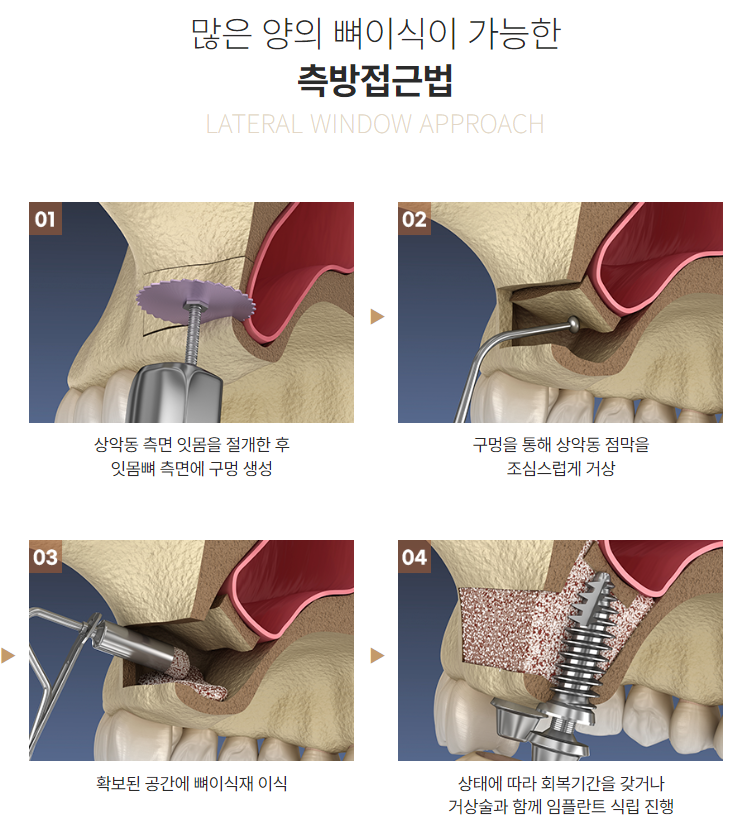
While previously introducing same-day implants for the 2030 MZ generation,
we also briefly discussed the side effects of leaving an extraction site untreated.
Among them, in the case of the upper jaw, we explained that the maxillary sinus can collapse.
If the maxillary sinus collapses, not only can it cause facial deformity,
but implant placement for people in their 70s and those 65 and older
becomes impossible.
This is because placing an implant when the maxillary sinus has collapsed increases the likelihood that the implant will invade the sinus and cause inflammation.
In this case, to proceed with implant surgery,
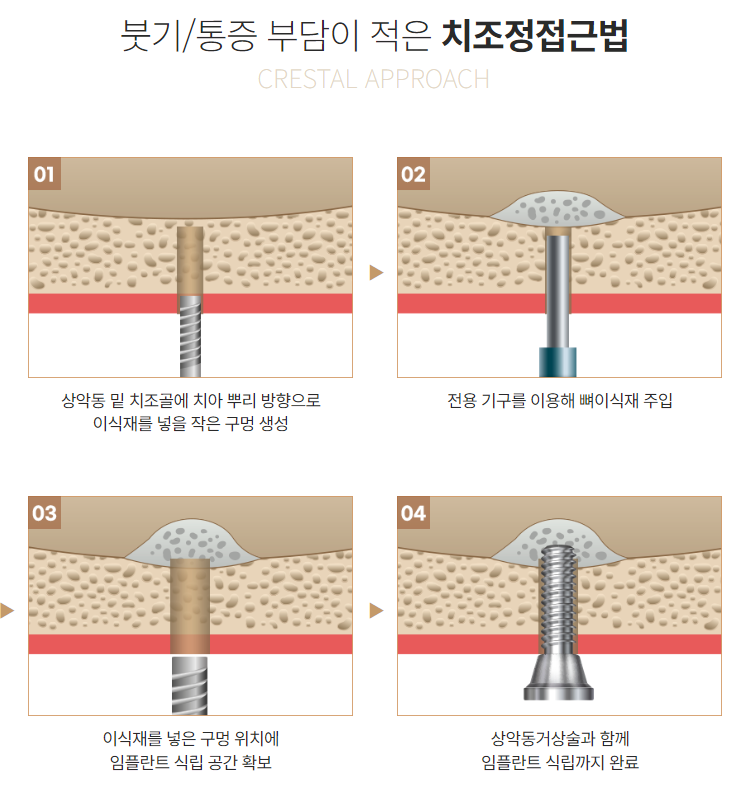
a sinus lift surgery may be performed first.
Sinus lift surgery is
divided into a crestal approach,
performed when the remaining bone thickness is 3 mm or more,
and a lateral approach,
performed when the remaining bone thickness is 2 mm or less,
and after sufficient bone graft material is placed,
implant surgery is carried out.
PRF implants
The average age group of patients with diabetes, high blood pressure, and osteoporosis
is in the late 50s, so if you are in your 50s, 60s, or 70s,
you are likely to have such conditions.
These conditions cause symptoms such as
decreased white blood cell function,
reduced resistance to bacterial infection,
and diminished wound-healing ability,
which make implant treatment difficult for people in their 70s and those 65 and older.
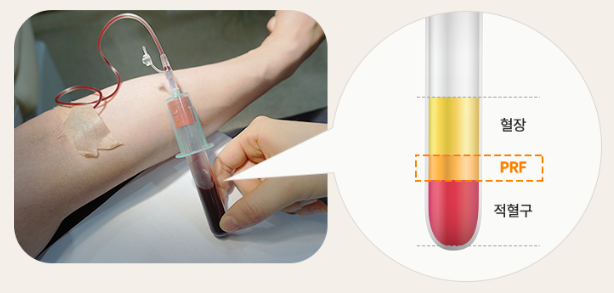
The procedure used in such cases is PRF implants.
PRF implants
are platelet-rich fibrin, a concentrated growth factor obtained by extracting white blood cells and platelets from the patient’s own blood and concentrating them with a dental centrifuge.
Simply put,
it helps gingival regeneration and osseointegration proceed smoothly,
making it possible for people in their 70s and those 65 and older
who have conditions such as diabetes, high blood pressure, and osteoporosis to undergo treatment.
Full-arch implants
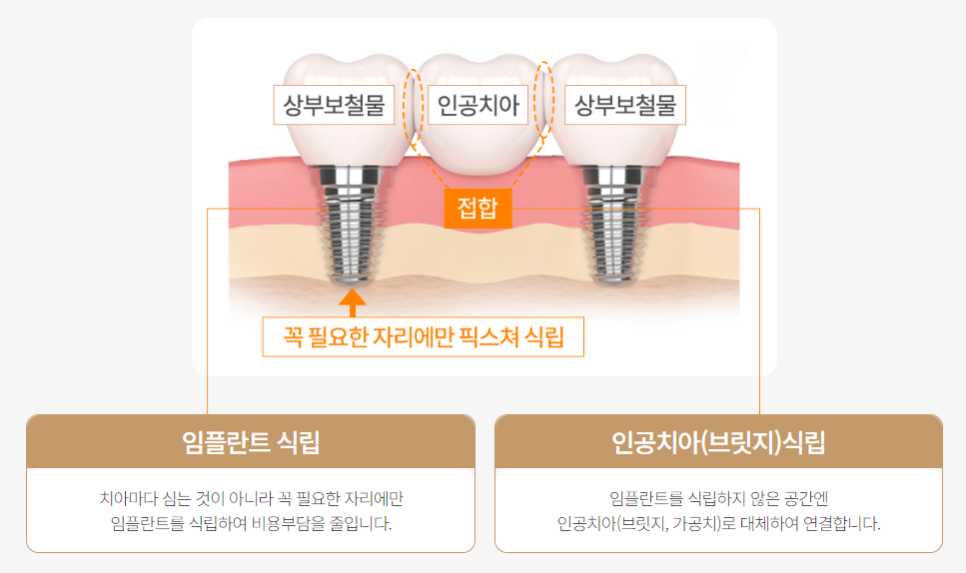
People in their 50s, 60s, and 70s may have a significantly small number of remaining natural teeth.
The empty spaces left by a large number of missing natural teeth can be filled in three ways: full-arch implants, implant dentures, and dentures.
If implants are placed in all of the spaces left by missing natural teeth,
there may be financial and health-related problems for people in their 70s and those 65 and older.
However, if you want to choose full-arch implants or implant dentures, which have better retention than dentures,
you need the expertise of medical staff with a high level of specialization,
who place implants only where they are truly needed.
Because this is a minimum-implant approach that combines implant surgery and bridge procedures to place full-arch implants only in necessary locations,
it can significantly reduce financial and health burdens.
65+ implant health insurance
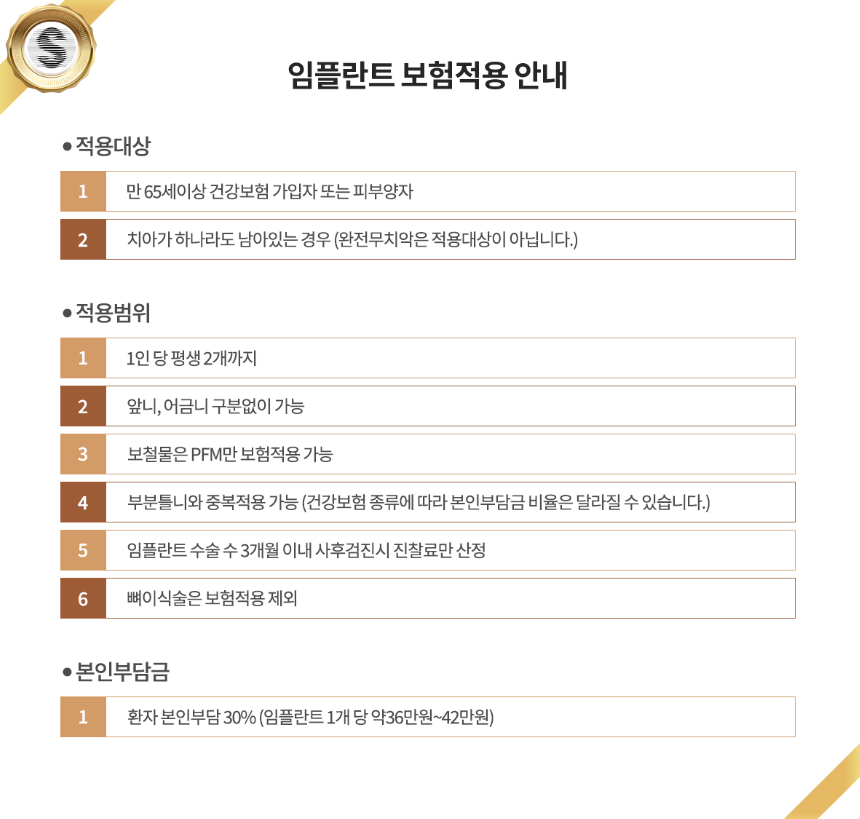
For National Health Insurance subscribers or dependents aged 65 or older,
if you are not fully edentulous,
up to 2 implants per person for life
with 30% out-of-pocket payment
is possible for people in their 70s and those 65 and older.
You can receive surgery at a reasonable cost of about KRW 360,000 to 420,000 per implant.
After a long period of consideration,
a full-arch implant treatment decision
is important above all else when it comes to results.
Gangnam Saero Dental Clinic, which has experience as a hospital specialized in implants,
shows confident full-arch implant results.
New teeth
implants for people in their 70s
implants for people 65 and older
full-arch implants
Please contact Gangnam Saero Dental Clinic for consultation.