Malocclusion dental orthodontics
Clear aligner malocclusion
Non-surgical malocclusion
Malocclusion, which creates problems in aesthetics and function,
is also cited as a cause of various conditions such as bad breath, periodontal disease, indigestion, nutritional imbalance, and temporomandibular joint issues,
so improving malocclusion is necessary
not only for cosmetic purposes
but also for treatment purposes.
Malocclusion affects 70 to 80% of the population,
so let’s take a closer look at why orthodontic treatment is needed,
explain exactly what malocclusion is,
and then also talk about clear aligner malocclusion.
Reasons why malocclusion should be corrected

First,
there are aesthetic, functional, and psychological benefits.
If malocclusion is not corrected,
the face can become distorted because of the misaligned bite,
chewing becomes difficult because the teeth do not fit together properly,
and this can lead to psychological withdrawal.
Second,
it can help prevent abnormalities of the maxillofacial area.
If malocclusion is not corrected,
not only the shape of the teeth or face
but also the maxillofacial area can develop abnormalities.
Third,
it can help prevent various oral diseases.
If the teeth do not fit together properly,
people tend to breathe through the mouth, which promotes bacterial growth, or
because malocclusion usually involves misaligned teeth,
food gets stuck more easily, which also promotes bacterial growth.
This increases the risk of periodontal disease beyond cavities.
Fourth,
it can also help prevent gum-related diseases.
Because of malocclusion,
periodontal disease may occur, or
the chewing force may become uneven on one side,
creating risks such as gingival recession, alveolar bone loss, and root resorption.
Normal occlusion
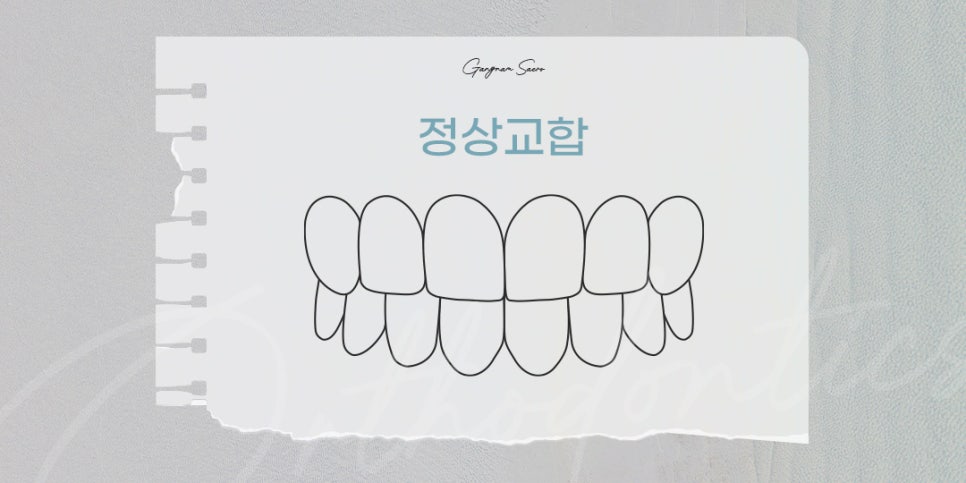
If the molar anteroposterior relationship is normal,
the front teeth are functioning properly,
and the dental arch is aligned neatly,
it is called normal occlusion.
Class 1 malocclusion
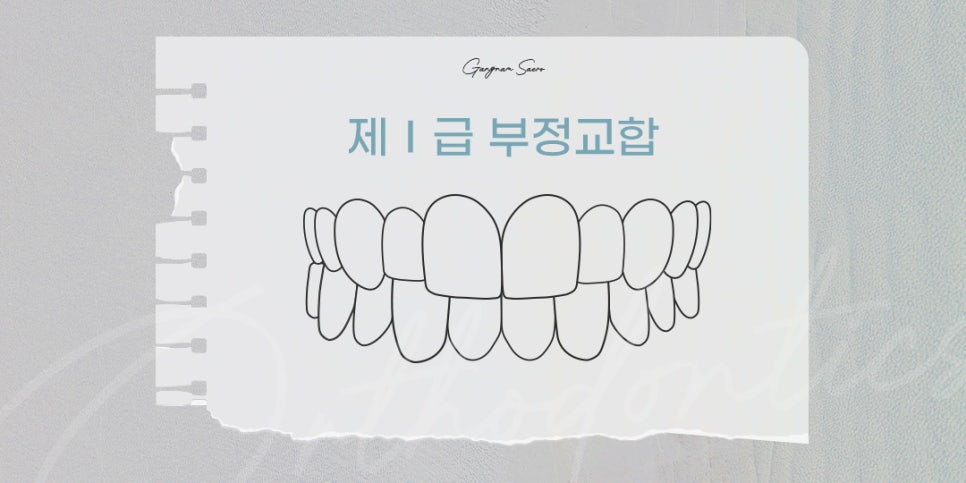
If the molar anteroposterior relationship is normal
but there is a problem with the function of the front teeth,
the teeth are not aligned neatly, or
the upper front teeth protrude,
it is called Class 1 malocclusion.
Class 2 malocclusion
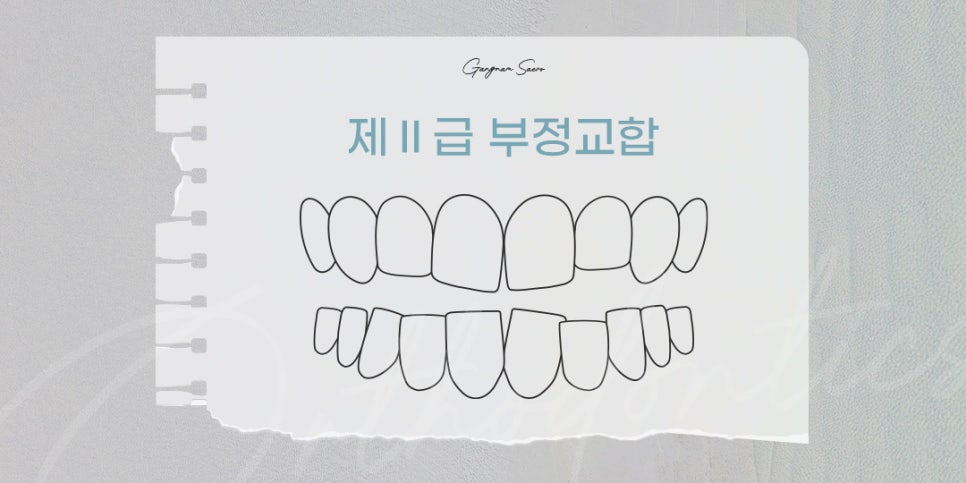
If the upper molars
are positioned forward of the lower molars,
resulting in deep bite, or
if there is a receding chin,
it is called Class 2 malocclusion.
Class 3 malocclusion
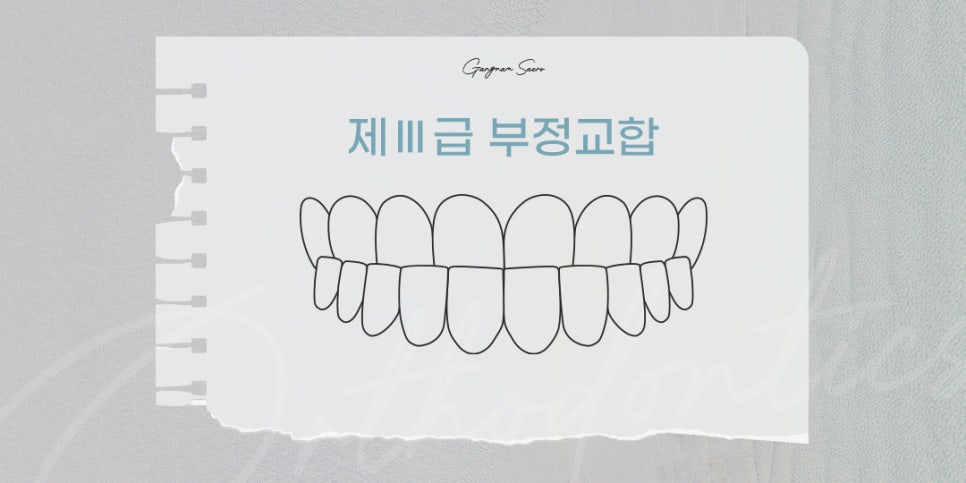
If the lower molars
are positioned forward of the upper molars,
resulting in an underbite or prognathic jaw,
it is called Class 3 malocclusion.
Open bite
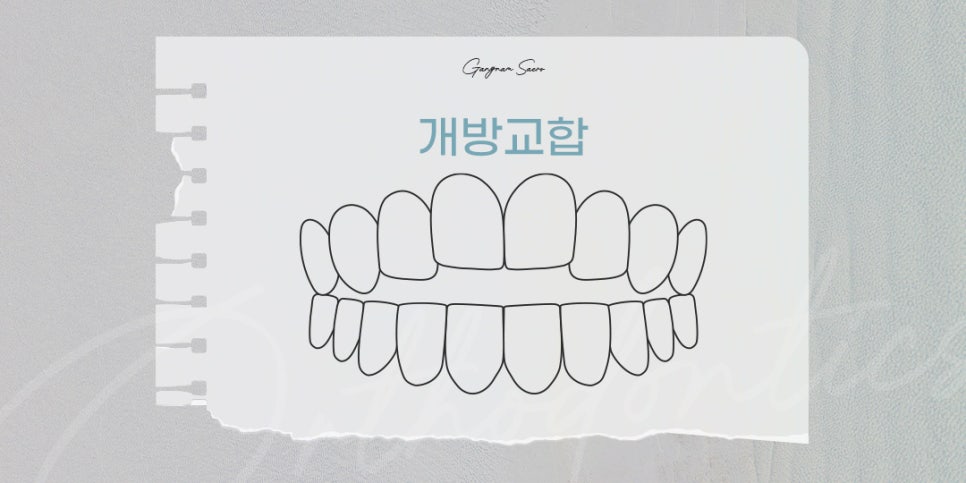
When the mouth is closed,
if the front teeth do not meet and remain open,
it is called an open bite.
Deep bite
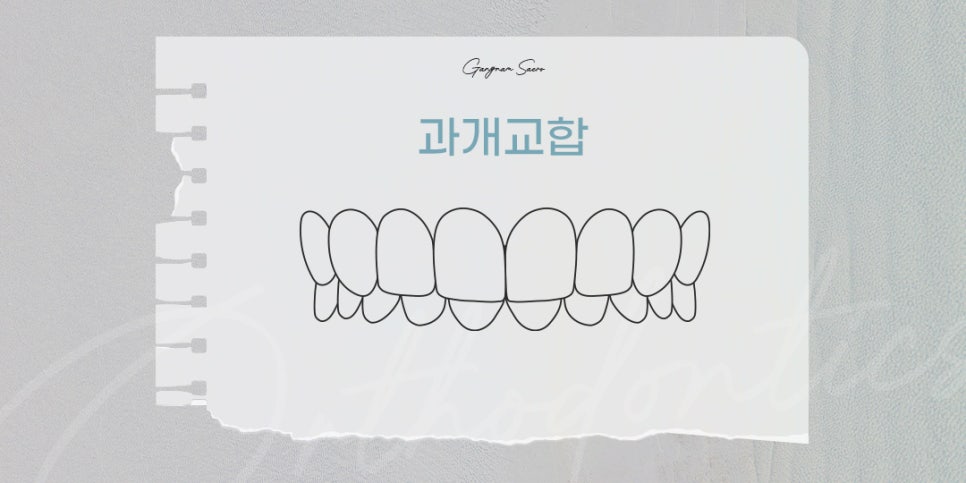
If the upper teeth
overlap the lower teeth
too much,
it is called a deep bite.
Malocclusion criteria
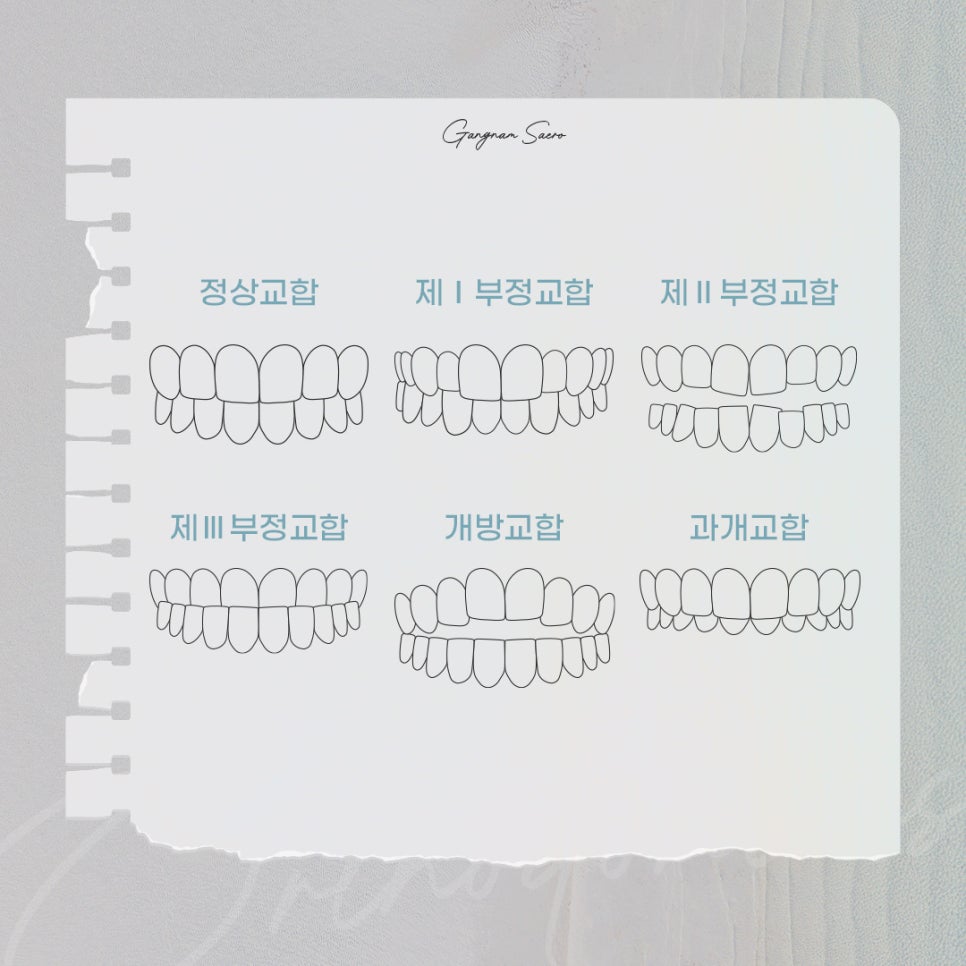
The standard for malocclusion
is the anteroposterior relationship of the molars.
Malocclusion treatment methods

Before looking into clear aligner malocclusion,
let’s look at malocclusion treatment methods.
When skeletal problems are present
and the degree of malocclusion is severe,
bimaxillary surgery is performed.
When tooth-related problems are present
and the degree of malocclusion is mild,
bimaxillary orthodontic treatment is performed.
When both skeletal and tooth-related problems are present
and the degree of malocclusion is severe,
pre-surgical orthodontic treatment or preoperative orthodontic treatment is performed.
These are the three methods.
Bimaxillary orthodontic treatment for malocclusion
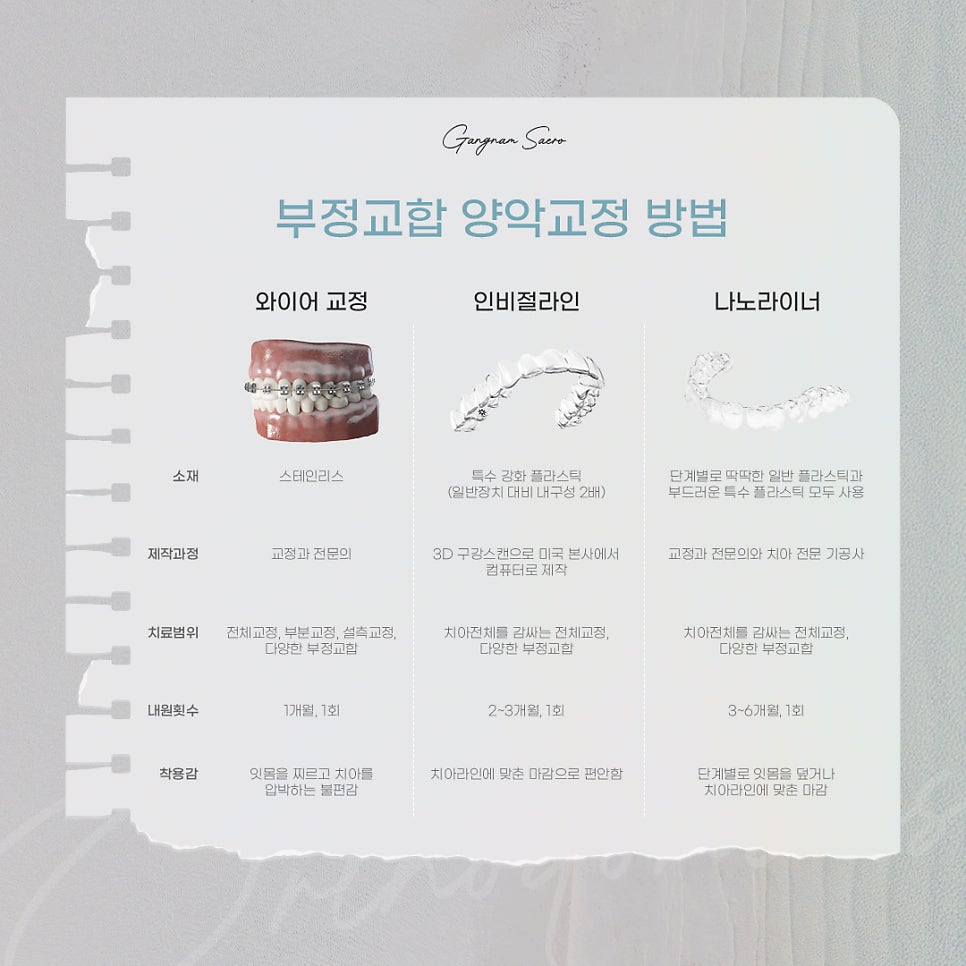
Bimaxillary orthodontic treatment for malocclusion includes wire braces and clear aligners.
If aesthetics are not important
and you want orthodontic treatment with strong force
at a lower cost,
wire braces are recommended.
If aesthetics are important
and you do not have much time,
so higher cost is acceptable,
clear aligner malocclusion treatment is recommended.
The devices used for clear aligner malocclusion treatment include Invisalign,
which has high elasticity, durability, and stability,
Nanoliner, which has the shortest treatment period among clear aligners,
and the reasonably priced MagicAlign, Serafin, and Didiheim.
There are five options in total.
Clear aligner malocclusion method
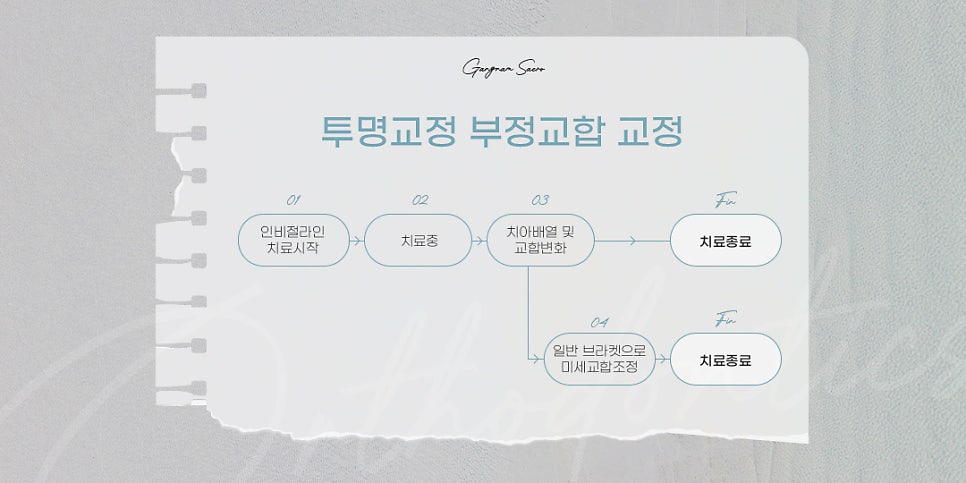
If you want to choose wire braces because of the clinical limitations of clear aligners,
please check out Gangnam Saero Dental Clinic’s clear aligner malocclusion method!
Gangnam Saero Dental Clinic
adds fine occlusal adjustments
to achieve beautiful results in clear aligner malocclusion treatment.
Clear aligner malocclusion method at Gangnam Station
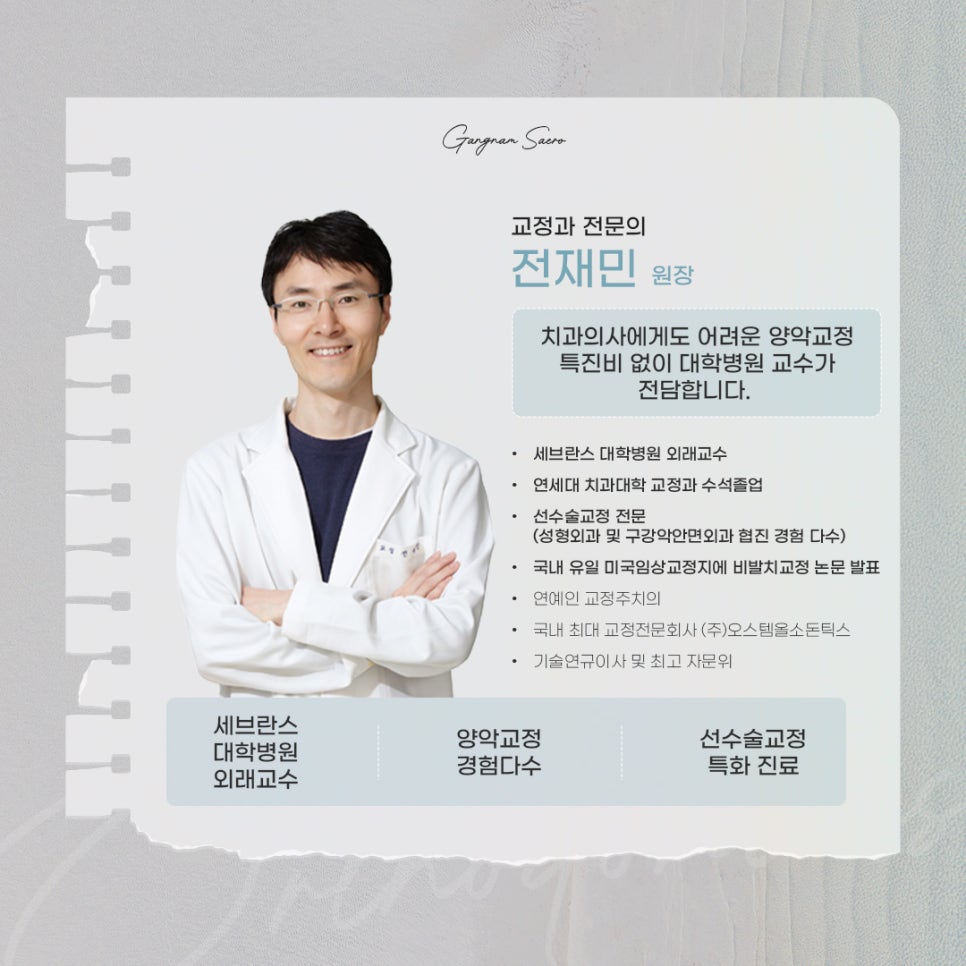
Adjunct professor at Severance Hospital
Extensive experience in bimaxillary orthodontic treatment
Specialized care in pre-surgical orthodontic treatment
Gangnam Saero Dental Clinic, where Director Jae-min Jeon works,
shows skilled treatment through a treatment plan with a high understanding of clear aligners.
A new smile
A new beginning
We hope you make a fresh start at Gangnam Saero Dental Clinic!