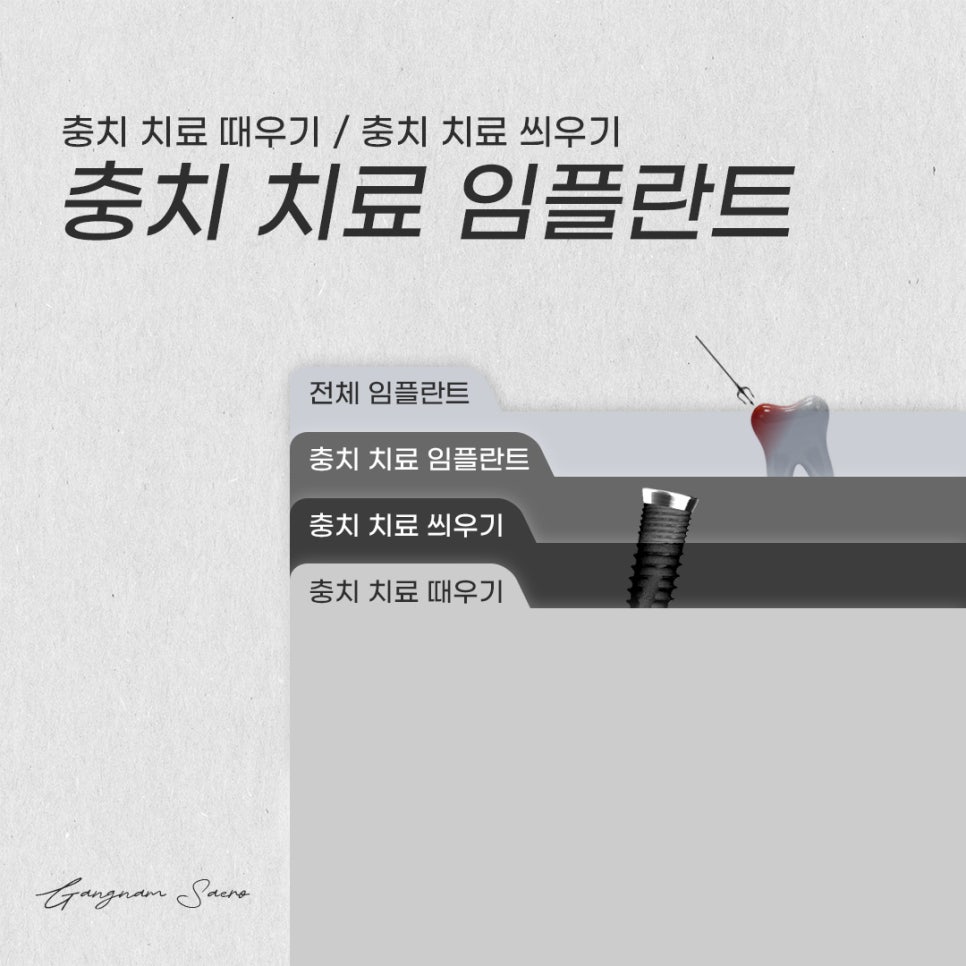
Cavity Treatment Methods
Cavity Treatment Implants
Difference Between Filling, Crowning, and Implants
When people hear “cavity treatment,” they often think the treatments are all similar,
but in fact, the treatment method is applied very differently depending on the extent and depth of the cavity.
From the simplest resin treatment,
to root canal treatment and crowns,
and in severe cases, extraction followed by implants,
one problem is that many people visit the dentist only after the cavity has progressed quite far.
Before it starts to feel vaguely scary and inconvenient,
it can help to know in advance how each treatment method differs.
Through this post, we will look at the differences between cavity treatment filling, cavity treatment crowning, and cavity treatment implants.
What Is Cavity Treatment Filling?
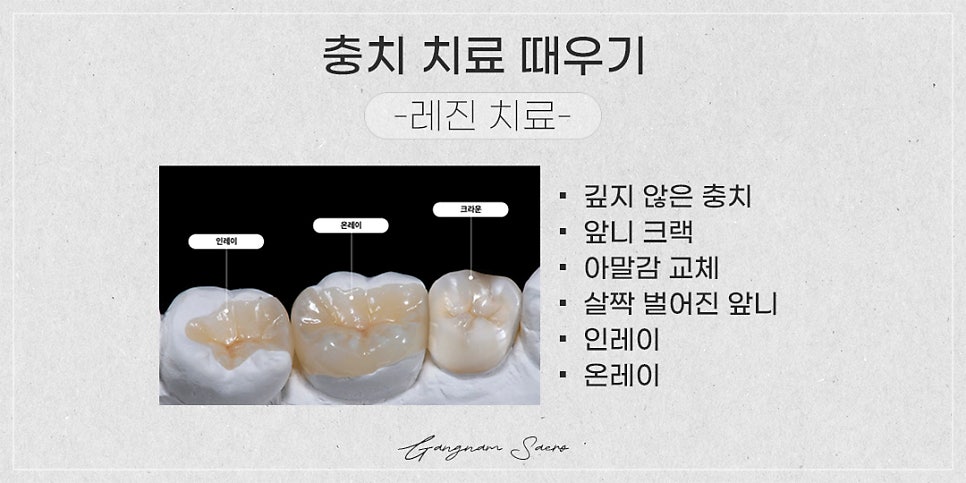
If the cavity is not extensive
and has not reached the nerve,
it can be treated with a simple filling method.
Typical treatments include resin, inlay, and onlay.
GI, which is covered by health insurance,
and amalgam are also options,
but GI is not very strong and does not last long,
and amalgam contains mercury,
so resin is now more commonly recommended.
This type of resin is used not only for cavities
but also for minor cracks in the front teeth, replacing amalgam,
or slightly closing gaps between the front teeth,
and inlays and onlays may use different materials
depending on the extent of the decay.
What Is Cavity Treatment Crowning?
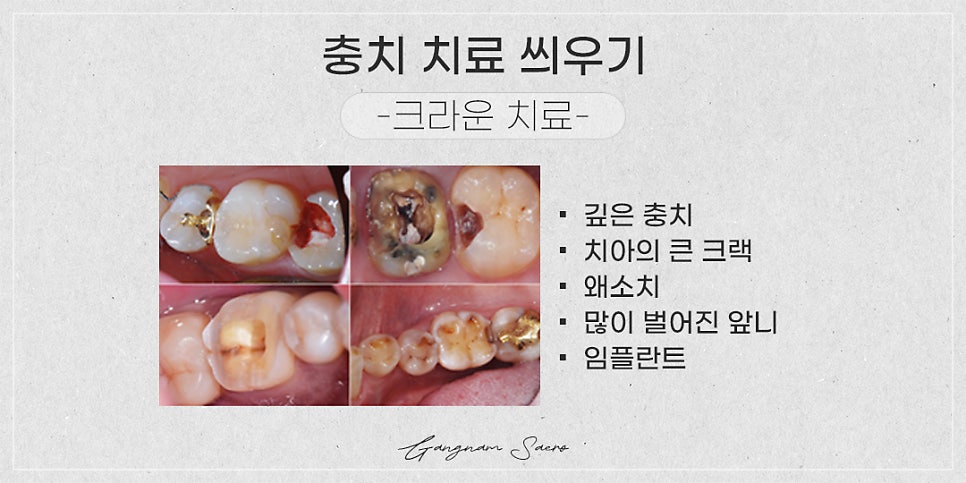
If the cavity has progressed enough to require root canal treatment,
it becomes difficult to treat with a simple filling,
and the treatment moves on to crown therapy,
using zirconia or gold to cover the tooth entirely.
This is called cavity treatment crowning.
At this stage, because the tooth must be covered overall,
a larger amount of tooth structure is removed and internal reinforcement is needed.
In other words, it is not simply about filling something in,
but about restoring function as well,
so the more important chewing function is, the more stable this method becomes.
In addition to deep cavities,
crowns are also used when a tooth is badly broken, in peg laterals, when there is a large gap between the front teeth,
or when making implant prosthetics.
What Is Cavity Treatment Implants?
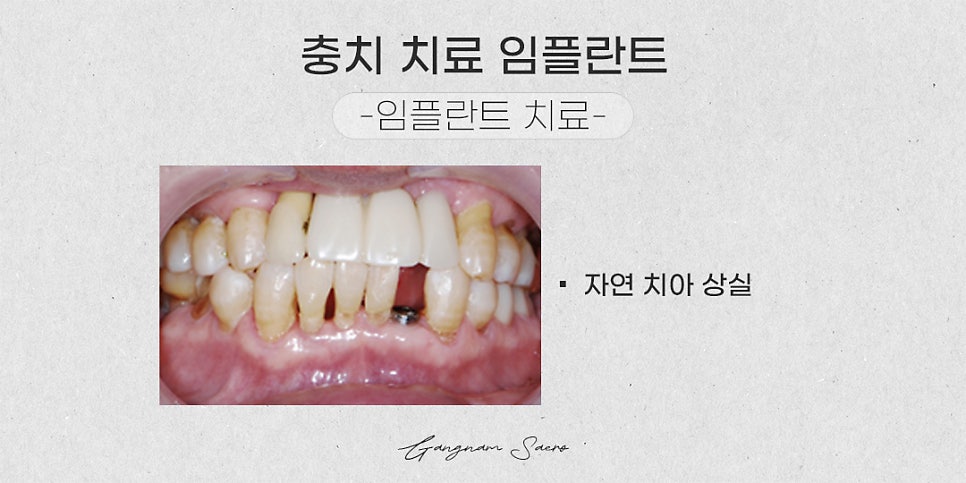
If the cavity is too deep to recover from,
in the end extraction followed by an implant may be the only option.
If enough treatment is not provided according to the depth of the cavity,
the tooth may not gain sufficient strength and may wear down,
making restoration impossible,
or there may not be enough remaining tooth structure for a crown to hold,
ultimately leading to extraction.
Cavity treatment implants are mainly applied when a tooth has been lost because a cavity was left untreated,
or when a natural tooth has been lost for other reasons.
Treatment Reliability and Choosing a Clinic

Cavity treatment may seem like a small difference,
but in reality, diagnosis is extremely important.
The problem is that even if you look at an X-ray,
it is difficult for patients to determine the exact extent.
That is why honest diagnosis becomes even more important in situations like this.
Gangnam Saero Dental Clinic
avoids unnecessary overtreatment
and establishes honest treatment plans
based on accurate diagnosis.
In addition to cavity treatment implants, the following implant treatments are also available.
Full-mouth implants
Diabetes implants
Osteoporosis implants
High blood pressure implants
PRF implants
Salmon injection implants
Independent bone grafting (i-GBR), etc.
With a history of being selected as a Ministry of Health and Welfare specialized implant clinic,
and with treatment available from CEO and prosthodontics specialist Dr. Jeong Jae-wook,
A new smile
A new beginning
A new start
Consult with Gangnam Saero Dental Clinic.
- This post is provided by a medical institution due to a third-party contractual relationship and contains medical information.