Diabetes, hypertension, osteoporosis, and more
A Safe Implant Choice for Patients with Chronic Conditions
PRF Implant, Autologous Blood Implant for Faster Recovery
As we get older, natural teeth weaken for many reasons, and common chronic conditions such as diabetes, hypertension, and osteoporosis make implant surgery even more cautious. People in their 30s and 40s are no longer exceptions either.
Because recovery is slower and the risk of infection is higher, people often keep asking themselves, “Can I really get an implant?” Dentures are uncomfortable, bridges require filing down healthy teeth, so they are also hard to choose. But giving up implants feels like sacrificing too much in daily eating and overall quality of life.
In situations like this, a customized implant option for patients with chronic conditions is the PRF implant, also called an autologous blood implant. Today, we will explain its principles in an easy and accurate way.
What Is a PRF Implant, Autologous Blood Implant?

PRF (Platelet Rich Fibrin) is, as the name suggests, a growth factor concentrated from white blood cells and platelets.
A small amount of the patient’s own blood is collected and separated and refined using a dental centrifuge. When this growth factor is applied to the implant placement site, it can have effects such as:
Promoting gum bone regeneration
Enhancing gum tissue recovery
Speeding up hemostasis
Reducing the risk of infection
Shortening recovery time
In other words, it can be seen as a method that brings out the body’s natural healing ability as quickly and as safely as possible.
Why Chronic Condition Patients Need PRF Implants, Autologous Blood Implants
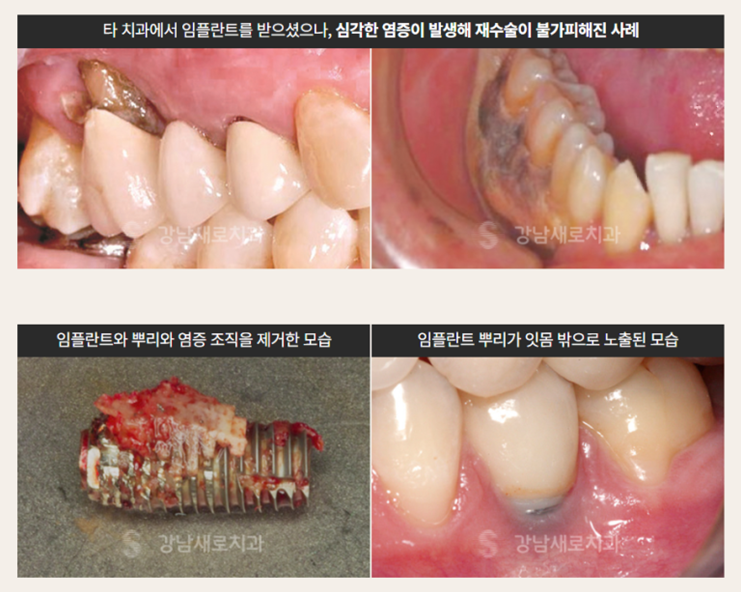
Chronic conditions such as diabetes, hypertension, and osteoporosis all involve low regenerative ability and a higher risk of infection.
If a standard implant is placed in this condition, it can lead to risks such as:
Delayed osseointegration
Inflammation
Failure of gum bone recovery
Implant loosening
Eventually, implant loss
On the other hand, PRF implants, autologous blood implants, use the patient’s own growth factors to enhance healing ability.
This helps minimize the limitations caused by chronic conditions.
Features of PRF Implants, Autologous Blood Implants
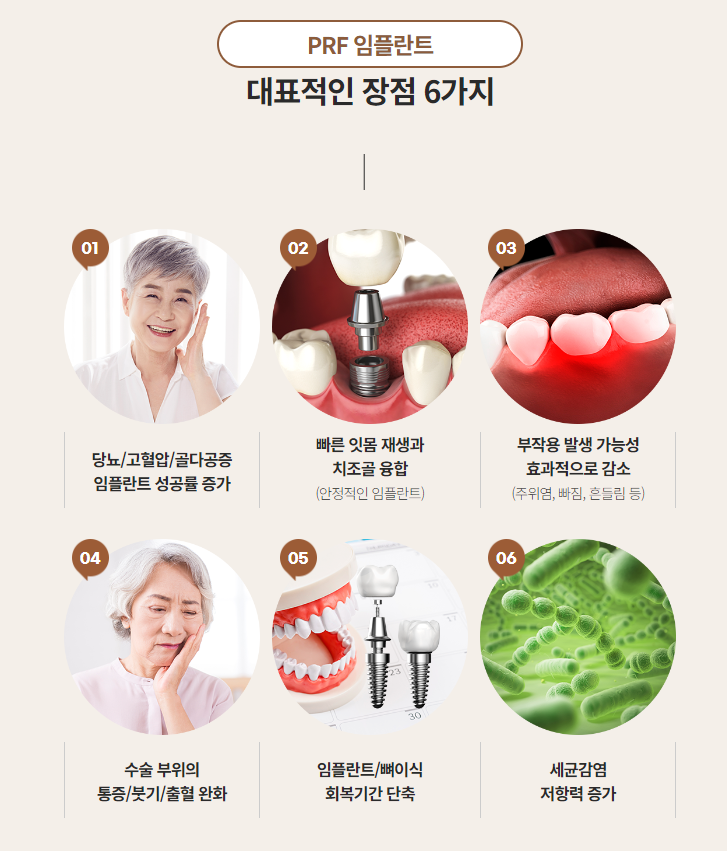
Effects
Reduction of side effects in diabetes implant, hypertension implant, and osteoporosis implant cases
Reduced risk of implant loosening, loss, and peri-implantitis
Stabilization of fusion between gum bone and the implant
Relief of pain, swelling, and bleeding
Shortened recovery period
Reduced risk of infection
Types
- i-PRF
It is in liquid form and helps with immediate stable fixation.
- A-PRF
It is in fibrin gel form.
It supports consistent recovery by continuously releasing growth factors over a long period.
The Importance of Choosing the Right Hospital for PRF Implants, Autologous Blood Implants

For patients with diabetes, hypertension, or osteoporosis, implant treatment becomes riskier when done using a “standard approach.” Every factor, including the patient’s blood flow, tissue regeneration ability, and risk of inflammation, must be precisely analyzed, and the PRF application method must also be decided differently for each patient.
In other words, the judgment of an experienced implant specialist determines the safety and outcome of the surgery.
Gangnam Saero Dental collects a small amount of the patient’s blood and selects the most suitable method between i-PRF and A-PRF for application. In addition, rather than simple bone grafting, it uses a gum bone graft material reinforcement method so that patients with diabetes, hypertension, or osteoporosis can use their implants long term for more than 30 years. Post-treatment care is also provided systematically, based on the expertise and skill of the implant medical team responsible for restoring both function and aesthetics.
Gangnam Saero Dental also demonstrates accurate diagnosis, detailed treatment planning, and implant expertise suited to patients with chronic conditions. Experience the stable results of implant treatment through the clinical experience of Chief Director Jeong Jae-wook, who has experience with hospitals specializing in implants.
- This post is medical information provided by a medical institution due to a contractual relationship with a third party.