The Solution for Underbite and Prognathism
How to Improve It Without Surgery
A Non-Surgical Guide to Prognathism Correction
It is true that appearance is not everything,
but the discomfort caused when the jaw and bite are misaligned
is difficult to dismiss as simply a “visible problem.”
An underbite, where the lower teeth cover the upper teeth,
and prognathism, where the lower jaw juts forward,
not only change the aesthetic impression
but also affect chewing function, pronunciation, and stress on the temporomandibular joint.
That is why many people worry:
“Is there any way other than double-jaw surgery?”
“Can prognathism be corrected without surgery?”
It does not apply to every case,
but if the conditions are right,
there are definitely cases where
non-surgical orthodontic treatment alone can bring about
sufficient improvement.
Cause Analysis of Underbite and Prognathism
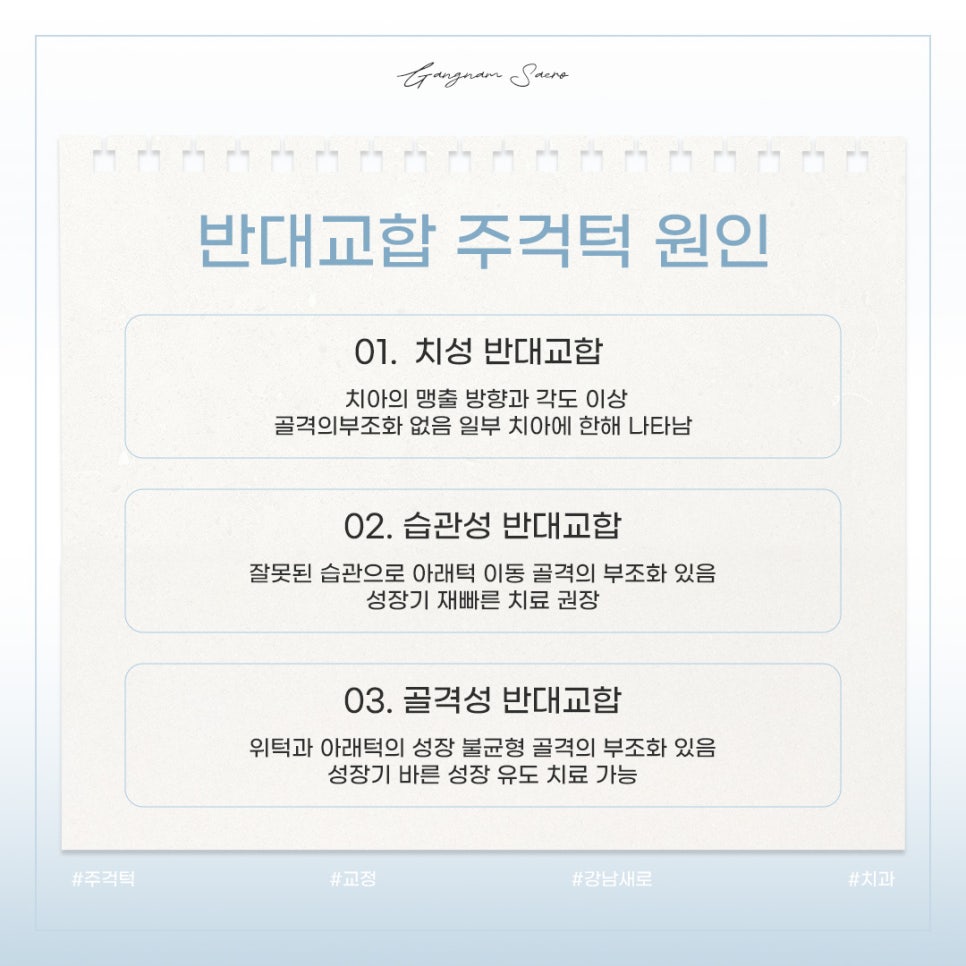
Underbite and prognathism
are dentally classified as Class III malocclusion,
and the treatment approach differs completely depending on the cause.
- Dental cause
This occurs due to problems with tooth alignment or the direction of eruption,
with no major skeletal abnormality.
In such cases, improvement through orthodontic treatment is relatively likely.
- Habit-related cause
Habits such as pushing the jaw forward, tongue thrusting, and mouth breathing
repeat over time as poor lifestyle habits,
affecting both the skeleton and the teeth.
A precise orthodontic plan along with habit correction is needed.
- Skeletal cause
This includes genetic factors such as insufficient maxillary growth or excessive mandibular growth,
and if the skeletal disharmony is pronounced,
a surgical approach may be necessary.
Cases Where Non-Surgical Prognathism Correction Is Possible
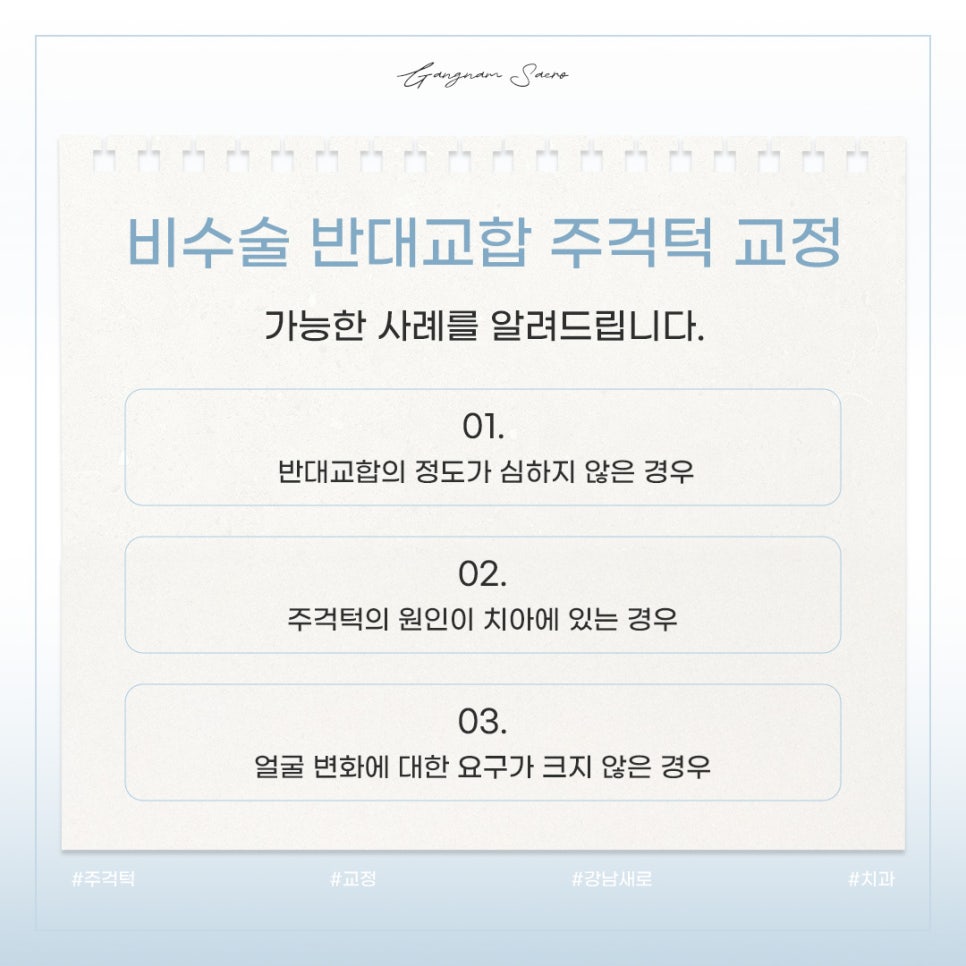
Orthodontic treatment is a treatment that adjusts the teeth and bite.
Because it is not a treatment that moves the bones themselves,
the degree of skeletal disharmony is important.
When the difference between the upper and lower jaw skeletons is not large
When bite improvement is possible through tooth movement alone
When functional recovery is the main purpose of treatment
If these conditions are met,
stable results can be expected even with
non-surgical prognathism correction.
However, one point must be clearly understood:
non-surgical prognathism correction
does not aim for dramatic facial changes
like double-jaw surgery does.
There will certainly be changes as the lower teeth move into their normal position
and the impression becomes more balanced,
but expecting the same changes as surgery is unrealistic.
This Is How Prognathism Diagnosis Is Done
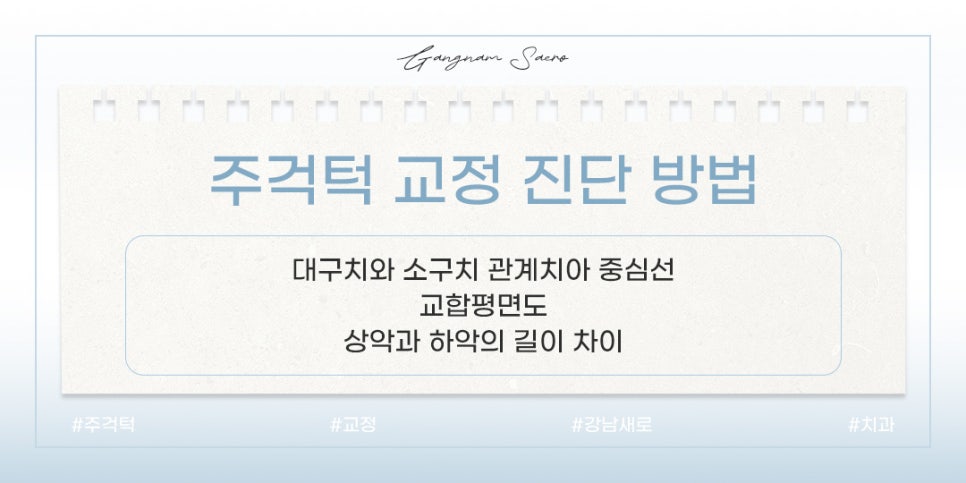
Whether non-surgical orthodontic treatment is possible
is not determined by appearance alone.
Molar and premolar occlusal relationships
Whether the dental midlines are aligned
The slope of the occlusal plane
The ratio of the lengths of the maxilla and mandible
These four factors are analyzed comprehensively
to determine precisely whether the condition can be improved by tooth movement alone.
Why Underbite and Prognathism Correction Matters
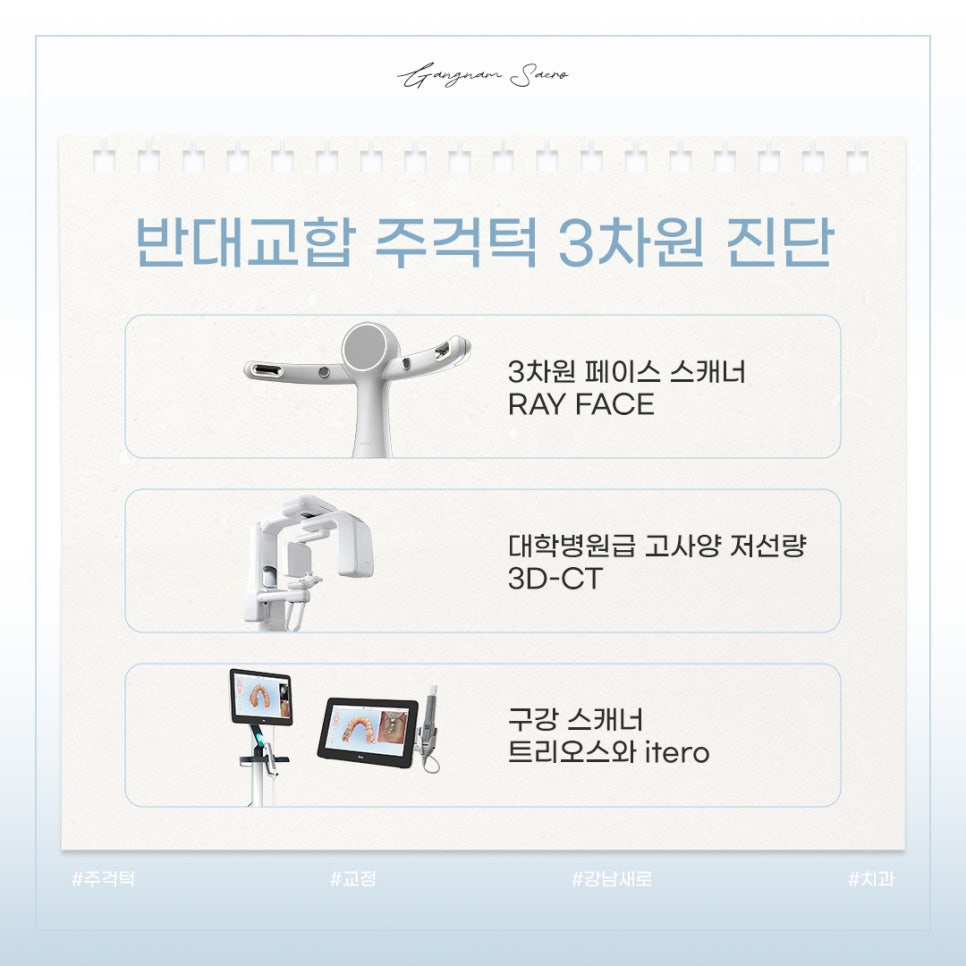
If an underbite is left untreated,
it can lead to tooth wear, strain on the temporomandibular joint, speech problems,
and increasing bite instability over time.
It is not merely orthodontic treatment for appearance,
but treatment to protect function,
which is why prognathism correction has clear value.
At Gangnam Saero Dental Clinic
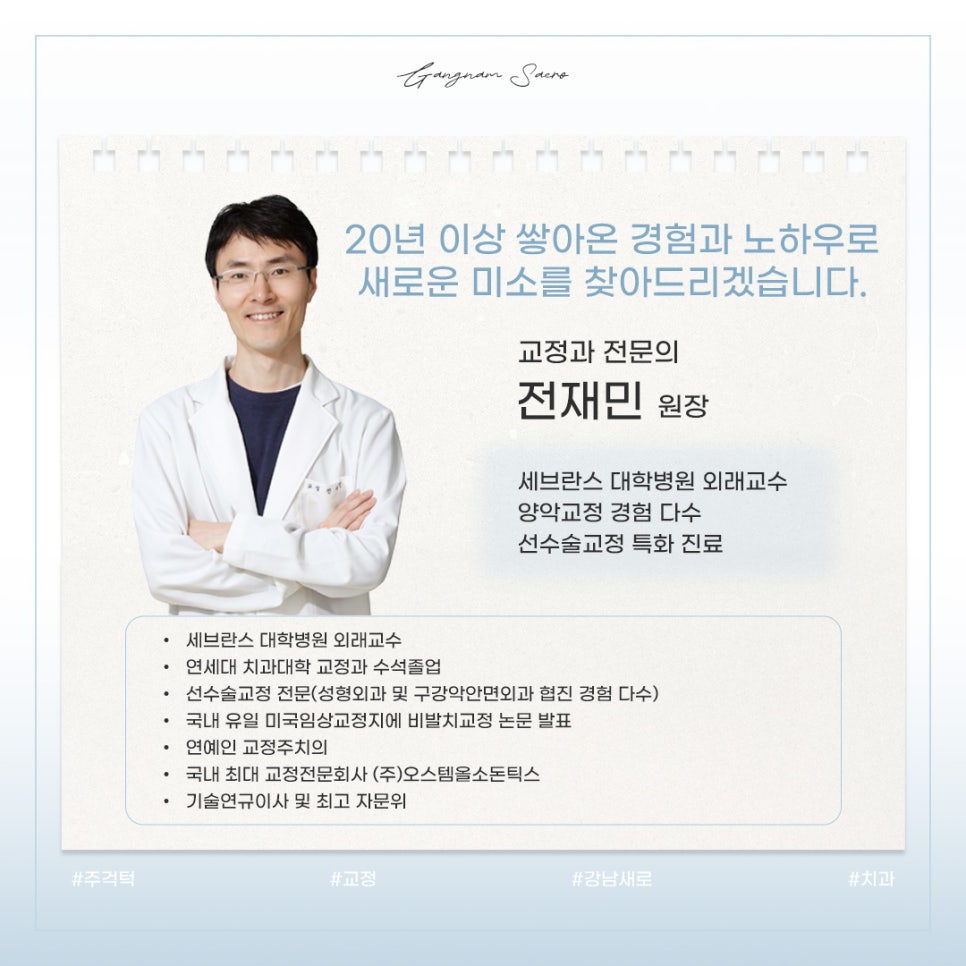
Prognathism correction
is not a treatment that can simply be divided into “possible” or “not possible.”
That is because each patient has a different jaw movement, tooth response,
and overall facial balance.
Gangnam Saero Dental Clinic
takes into account each person’s bite structure, lifestyle habits,
and even the appearance after treatment,
to design an orthodontic plan in a way that avoids strain.
Rather than rapid change,
we aim for stability that lasts.
Rather than excessive correction,
we aim for natural balance.
If you were burdened by surgery,
or needed an accurate diagnosis,
now you can receive a consultation and make your decision.
A new smile,
a new beginning.
This is Gangnam Saero Dental Clinic.
- This post is a medical article provided by a medical institution due to a third-party contractual relationship.