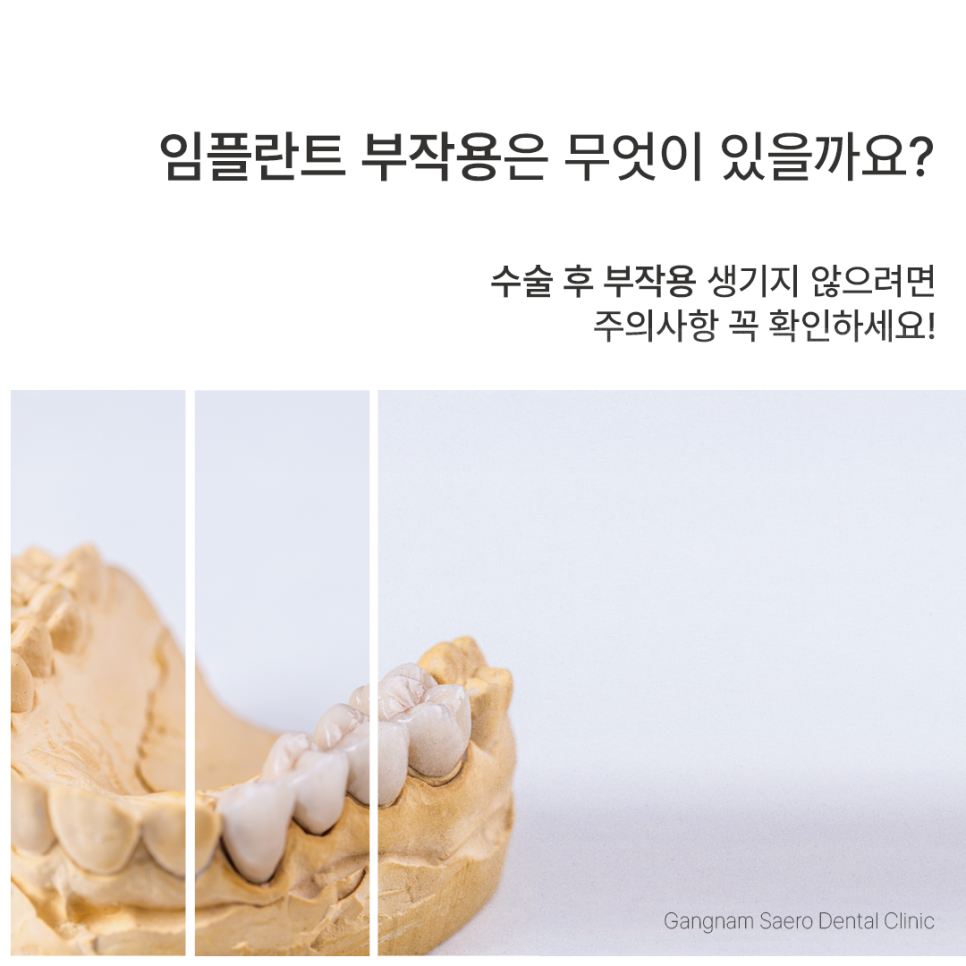
What Are the Possible Side Effects of Dental Implants?
To avoid side effects after surgery,
be sure to check the precautions!
If you are searching for implant side effects, you may have already lost a tooth or be preparing for an extraction. Losing a tooth can be far more emotionally unsettling than you might expect. The discomfort is not limited to the simple loss of chewing function. It can also involve hesitation when smiling, withdrawal during conversations, and uncertainty about what treatment to receive going forward.
Dental implants are the treatment that most people think of first in this situation. They look natural, are convenient to use, and have an image of being much more stable than dentures or bridges, so many people consider them their first treatment option.
However, once you are about to begin treatment, you realize that implants are not a procedure that can be decided on lightly. The treatment is not performed in the same way for everyone, the results are not identical even when the same brand is used, and satisfaction after surgery, longevity, and the likelihood of side effects can all vary depending on how you choose your dental clinic.
That is why you should learn more, compare your options carefully, and receive sufficient consultation before choosing an implant treatment.
This time, together with Gangnam Saero Dental Clinic, we will organize the types of implant side effects one by one and also explain why you should choose your dental clinic carefully from the beginning.
Implant Side Effects – Prosthetic Issues
- Food Getting Stuck
One of the most common discomforts after an implant procedure is food getting stuck. Natural teeth can move slightly through the periodontal ligament and jawbone, but implants are directly fixed to the jawbone, so they have almost no such movement. The issue is that the surrounding natural teeth respond very slightly, while the implant remains fixed in place.
Because of this difference, a space can form between them, allowing food to become trapped frequently. It may seem like a minor inconvenience, but if it continues repeatedly, it can lead to gum irritation and inflammation, so it should not be taken lightly.
- Loosening of the Screw
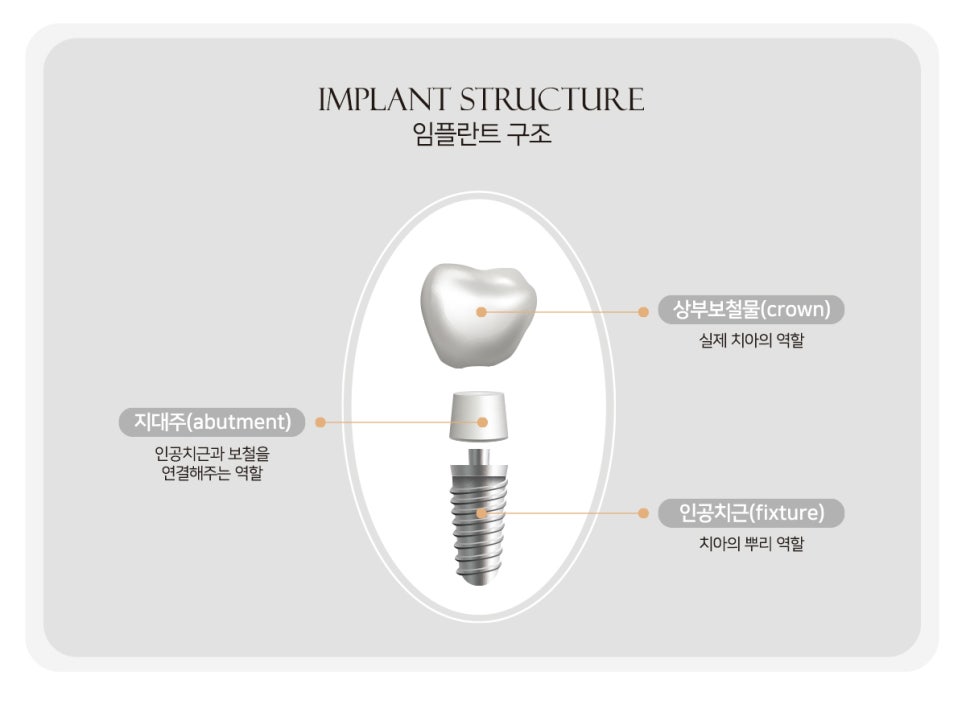
An implant consists of an artificial tooth root placed in the bone, an abutment that connects above it, and a crown, which is the final prosthesis. Structurally, it is strong against downward pressure but relatively vulnerable to sideways forces and twisting stress.
Therefore, if you clench your teeth, frequently eat tough or hard foods, or place excessive force on one side because of an improper bite, the screw may gradually loosen.
This loosening can sometimes be a kind of warning sign that appears before the entire implant becomes damaged. However, if you continue using it without realizing that it has loosened, the screw itself may break or the prosthesis may be damaged.
- Crown Fracture
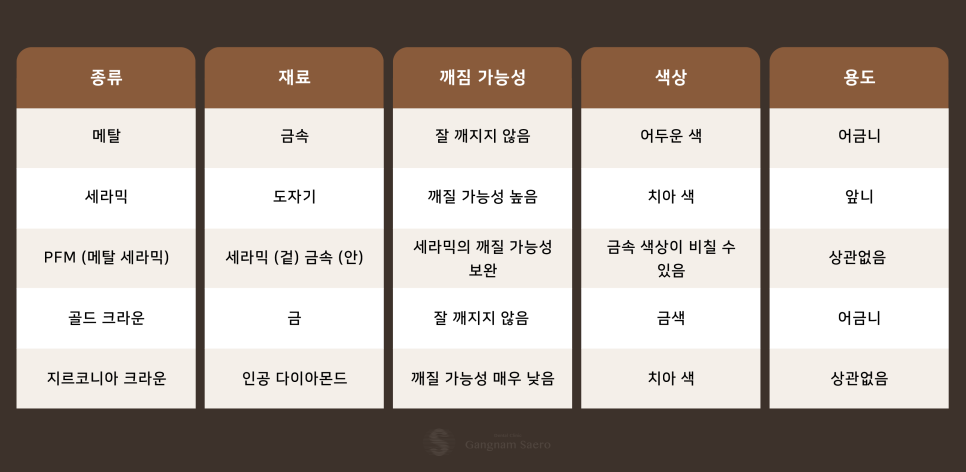
Artificial teeth placed on implants differ in strength and characteristics depending on the material.
Various crown materials are used, including metal, ceramic, PFM, gold, and zirconia. Depending on the material, aesthetics, durability, and the likelihood of fracture can vary.
In particular, if a material selected with an emphasis on aesthetics is exposed to strong impact or repeated chewing pressure over a long period,
it may break or develop cracks.
Although it may appear to be merely superficial damage, it can later affect other areas if the bite becomes misaligned or chewing becomes uncomfortable, so caution is needed.
Why Do Prosthetic Complications Occur?
Prosthetic problems are often caused by a patient’s habits. Hard foods, tough foods, teeth clenching, and repeated stress applied unconsciously can all be contributing factors.
However, that is not the whole story.
If the prosthesis is made without sufficiently considering the patient’s tooth alignment and spacing, the shape of the jawbone and gums, and the direction of chewing forces, problems such as food getting stuck, screw loosening, and crown fracture can occur much more easily.
Ultimately, what matters is how precisely the patient’s oral condition is assessed and whether a customized prosthesis is designed accordingly.
Treatment Available at Gangnam Saero Dental Clinic
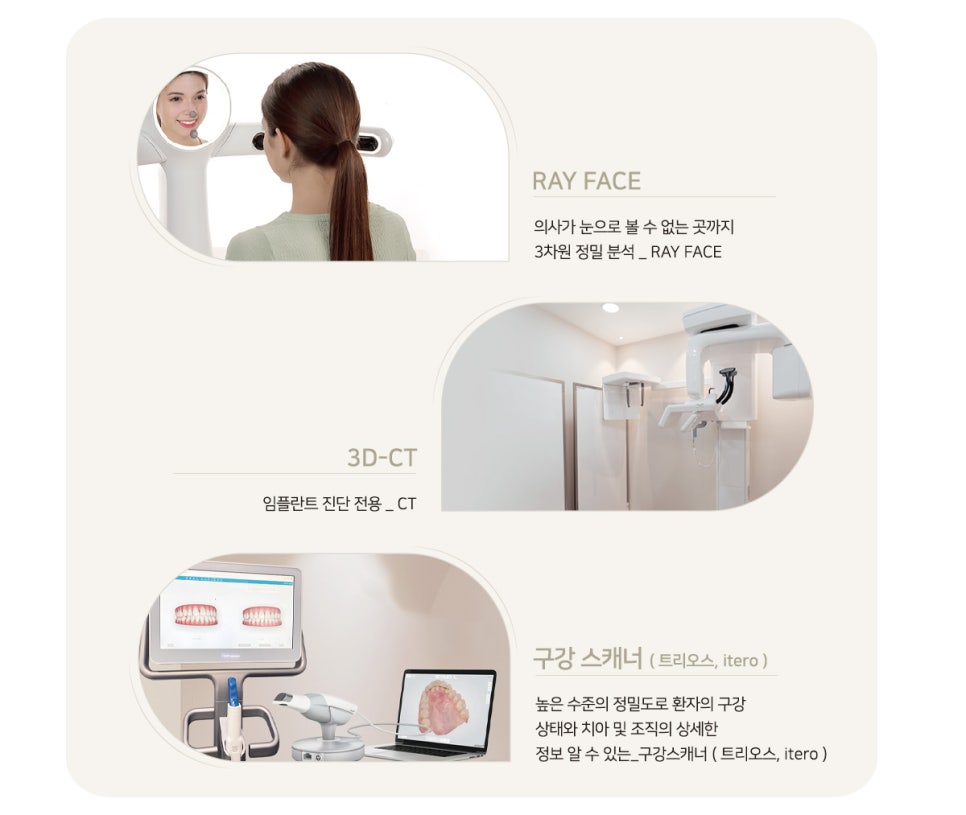
Gangnam Saero Dental Clinic closely analyzes each patient’s oral condition and then plans the appropriate implant placement position and prosthetic design. Through an advanced digital diagnostic system, the clinic carefully checks not only tooth alignment and spacing but also the shape of the gums and jawbone, planning surgery in a way that helps reduce the possibility of implant and prosthetic complications.
In addition, all members of the medical staff use their extensive clinical experience and expertise to reduce foreseeable problems in advance.
The goal is to minimize problems such as food getting stuck, screw loosening, and crown fracture from the outset. In case an unexpected problem occurs during use, the clinic also provides a complimentary warranty period to help reduce the patient’s burden.
Implant Side Effects – Surgical Issues
- Bleeding, Swelling, and Pain
An implant procedure involves opening the gums and working with the bone. Therefore, bleeding, swelling, and pain are reactions that can be expected to some degree. When mild, they usually subside naturally within one to two weeks, so they rarely become a major problem.
However, if the pain continues for an excessively long time, the swelling persists severely, or the bleeding does not stop easily, a problem other than a normal recovery response should be considered.
- Inflammation
Inflammation may develop at the implant site if oral hygiene is not properly maintained after surgery or if precautions regarding alcohol, smoking, and irritating foods are not followed.
This inflammation does not necessarily end with simple discomfort. If it progresses to peri-implantitis, it may threaten the implant itself.
In particular, because surgery in the upper jaw involves structures close to the maxillary sinus, an infection may potentially lead to problems such as sinusitis or chronic sinus congestion.
- Rare but Possible Side Effects
Although they do not occur frequently, allergies, nerve damage, and blood vessel damage are also possible. Therefore, before surgery, it is essential to assess not only the condition of the teeth but also overall health, anatomical structures, and medical history.
Why Do Surgical Complications Occur?
A patient’s lifestyle habits and inadequate care after surgery are certainly major causes. However, if the preoperative diagnosis is insufficient or necessary examinations and preparations are omitted in an effort to reduce costs, a problem that could have remained minor may become more serious.
If surgery is performed without sufficiently considering the condition of the gums and jawbone, the presence of underlying conditions, medications being taken, chewing habits, and the recovery environment, the risk of unnecessary side effects can only increase.
The Treatment Process at Gangnam Saero Dental Clinic



Gangnam Saero Dental Clinic carefully checks each patient’s condition before surgery and develops the most appropriate implant plan based on the results. Through sufficient consultation, the clinic listens to the patient’s needs and explains the surgical approach, prosthetic plan, and subsequent care process together.
In addition, a prosthodontic specialist who works to reduce prosthetic complications and an oral and maxillofacial surgery specialist who works to reduce surgical complications participate in treatment together, helping provide a more stable treatment process.
Using digital diagnostic equipment, the clinic checks the locations of nerves and blood vessels in advance, considers the possibility of allergies, and focuses on reducing unnecessary risks by using products with verified long-term usage rates.
Implant Side Effects – Periodontal Tissue Damage
- Implant Loss
If an implant is placed forcefully without sufficiently considering the condition of the gums and jawbone, the bone and implant may not bond securely. If this condition continues, the possibility of peri-implantitis may increase, eventually causing the implant to become loose or fall out.
- Gum Recession or Lifting
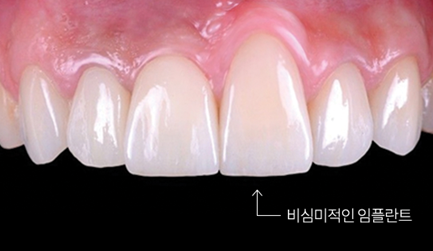
If implant placement is forced when the gums and jawbone are not prepared to withstand surgery, the periodontal tissues may be placed under severe strain. As a result, the gums may become raised or recede, leaving an aesthetically undesirable outcome.
- Metal Exposure
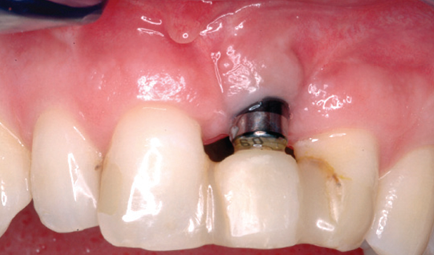
If the gums cannot be maintained sufficiently, the metal portion of the implant may gradually become exposed. In this case, the patient may become concerned not only about functional problems but also about how it looks when smiling, which can significantly reduce satisfaction.
Why Does Periodontal Tissue Damage Occur?
Unlike prosthetic or surgical problems, periodontal tissue damage is more likely to occur when the regeneration and preservation of the periodontal tissues were not sufficiently considered from the beginning, rather than as a result of patient negligence.
After a tooth is extracted, the gums and jawbone naturally begin to shrink over time. If this change is taken lightly, the possibility of subsequent problems such as implant loss, gum recession or lifting, and metal exposure increases.
In other words, just as important as the skill used to place the implant is how well the tissues supporting it are preserved and restored.
Specialized Treatment at Gangnam Saero Dental Clinic
Gangnam Saero Dental Clinic places importance on maintaining and restoring the gums and jawbone after extraction through ridge preservation. Rather than simply placing an implant in an empty space, the clinic focuses on carefully strengthening the foundation so that the area can remain healthy for a long time.
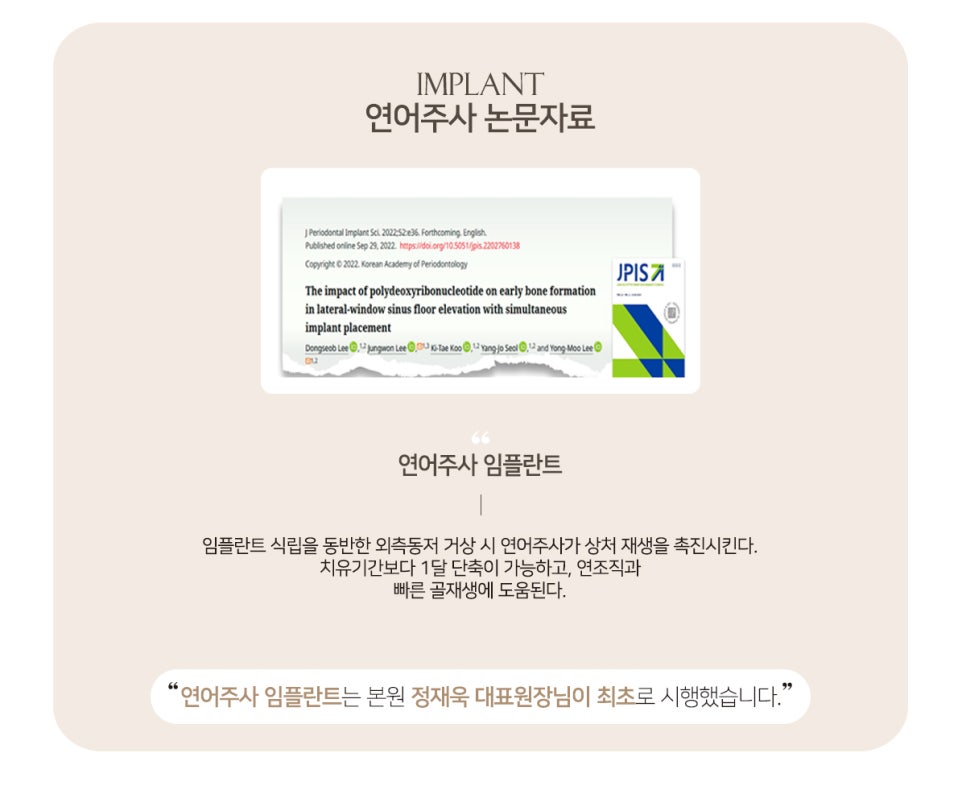
The clinic also works to reduce the risk of periodontal tissue damage by promoting gum healing and encouraging more stable tissue recovery through methods such as the Salmon Injection Implant treatment.
Ultimately, a good implant is not merely one that has been placed successfully, but one that leaves the gums and bone healthy as well.
Implant Side Effects Can Be Reduced
As discussed above, implant side effects can broadly be considered in three categories: prosthetic problems, postoperative problems, and periodontal tissue damage.
Most of these are also issues that can be sufficiently reduced depending on how carefully the initial diagnosis, surgical plan, prosthetic design, and recovery care are handled.
Implant treatment is not simply a treatment that replaces a tooth. It is treatment that changes the quality of your future meals, conversations, and smiles.
That is why, from the very beginning, you should carefully consider where, by whom, and how you will receive treatment.
If you have been greatly concerned about implant side effects, Gangnam Saero Dental Clinic will be here to help ease those concerns.
A New Smile, A New Beginning
This is Gangnam Saero Dental Clinic.
- This post was presented by a medical institution under a third-party contractual relationship as medical information, and AI was used in part.