Orthodontic Side Effects
Relapse and Recurrence
Ways to Reduce Side Effects
There are clear reasons why people decide to undergo orthodontic treatment. They may want to straighten crooked teeth, feel more confident when smiling, or reduce discomfort caused by malocclusion. For these reasons, they begin treatment after investing considerable time and money. However, some people feel reassured after their orthodontic treatment is completed, thinking that everything is finally over, only to experience unexpected changes. Their teeth, which had clearly become straight, may seem to start shifting again, or they may begin to notice that the alignment feels subtly disrupted, even if it is not as severe as before treatment.
The terms most commonly heard in situations like this are relapse and recurrence.
Orthodontic treatment does not end the moment the appliances are removed. In fact, the period that follows may be especially important. Teeth naturally tend to return to their original positions, and the gums, jawbone, and surrounding muscles also need time to adapt to their new positions.
In this article, we will carefully review relapse and recurrence that may occur after orthodontic treatment, why they happen, and what can be done to reduce the likelihood of these changes.
Orthodontic Side Effects: Relapse and Recurrence
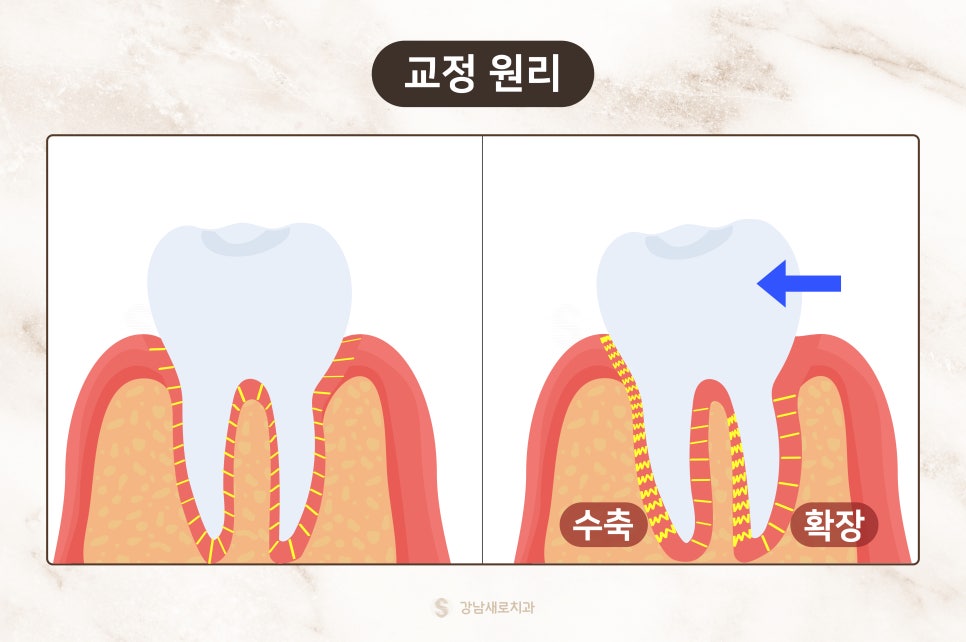
When teeth are moved through orthodontic treatment, the alignment may appear straight and complete on the outside. However, the surrounding tissues—including the gums, jawbone, periodontal ligaments, lips, tongue, and chewing muscles—often do not adapt to the changes immediately. Although the teeth have been placed in new positions, the surrounding tissues still retain their previous positional memory. As time passes, forces may develop that pull the teeth back toward their original positions.
This is what is known as relapse after orthodontic treatment. When these changes become noticeable and lead to the teeth becoming misaligned again or the bite becoming disrupted, the condition is generally described as recurrence.
In other words, relapse refers to the natural tendency of teeth to return to their original positions, while recurrence refers to a more advanced progression of this process in which the problem becomes apparent again.
Why Orthodontic Side Effects: Relapse and Recurrence Occur
There are more reasons than one might expect for teeth to move again after orthodontic treatment. In many cases, several factors overlap and contribute to the change rather than there being a single cause.
- Teeth naturally tend to return to their original positions
As teeth are moved, the jawbone undergoes simultaneous processes of resorption and rebuilding. However, the surrounding tissues do not become completely stabilized immediately just because orthodontic treatment has ended. In particular, the periodontal ligaments and gum tissue retain forces associated with the previous positions, so the tendency to move back in the original direction may be relatively strong immediately after the appliances are removed.
- Inadequate use of retainers
One of the most common causes of relapse and recurrence after orthodontic treatment is insufficient retainer use. Immediately after the appliances are removed, the teeth are not yet completely fixed in place, so it is essential to use retainers for a period of time to maintain their new positions. If patients reduce the amount of time they wear their retainers because they think treatment is over, or stop wearing them altogether, their teeth can move much more easily.
- Treatment completed before the bite has fully stabilized
Even if the alignment appears organized from the outside, the bite may still be unstable. In this state, chewing forces may become concentrated on one side or abnormal forces may build up on particular teeth, causing the alignment to become disrupted again. Orthodontic treatment is not complete simply because the teeth look better; the bite must also come together stably during chewing to reduce the possibility of relapse and recurrence.
- Existing lip, tongue, or jaw habits
The cause of crooked teeth is often not limited to the alignment of the teeth themselves. Habits such as thrusting the tongue forward, applying pressure with the lips, clenching the teeth, or using the jaw unevenly may continue to affect the teeth after orthodontic treatment. In other words, moving the teeth alone does not eliminate the original cause. If the same forces continue to act, the teeth may be affected in the same direction again.
- The effects of wisdom teeth, gum condition, and periodontal problems
As time passes after orthodontic treatment, wisdom teeth may have an effect, or the supporting structures may become weakened by gum inflammation or periodontal disease, making it easier for the teeth to shift. This is why regular checkups and care remain important after orthodontic treatment.
Areas Where Orthodontic Side Effects: Relapse and Recurrence Occur
The areas where these changes occur most often are the lower front teeth and areas where the alignment of the front teeth was adjusted particularly precisely.
The lower front teeth naturally have limited space and are strongly affected by the tongue, lips, and jaw, so subtle changes may be relatively easy to notice even after orthodontic treatment.
The front teeth are also easy to notice when they shift even slightly, making them the area where patients are most likely to notice relapse first.
Therefore, even if there is no major recurrence, patients may feel that their teeth are shifting again if the edges of the front teeth become subtly misaligned or the spaces between the teeth look slightly different.
How Can Orthodontic Side Effects Be Reduced?
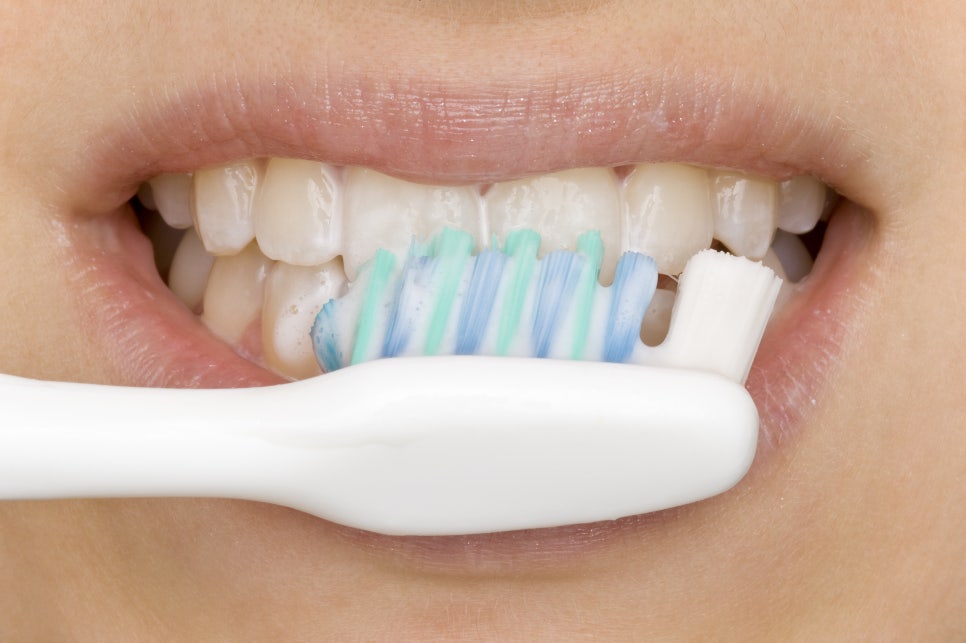
It is difficult to guarantee that relapse and recurrence after orthodontic treatment can be reduced completely to zero. However, they can be reduced significantly, and the difference can be greater than expected.
- Wear retainers consistently
This is the most important and fundamental method. After orthodontic treatment, retainers are close to being essential rather than optional. In many cases, they must be worn for most of the day at first, and then gradually reduced to primarily nighttime wear once the condition becomes stable. Since this process differs from person to person, it is important to wear the retainers consistently according to the instructions of the medical professionals.
Retainers help hold the teeth in place after orthodontic treatment. Neglecting this step can undermine the time and cost invested in treatment.
- Continue receiving regular checkups after treatment
Many people think that their hospital visits are over once the appliances are removed, but follow-up evaluations may actually become more important afterward. Regularly checking whether the retainers are in good condition, whether the teeth are shifting subtly, whether there is any discomfort in the bite, and whether the gums are stable can help identify small changes at an early stage.
- Correct bad habits as well
If habits that continuously affect the teeth remain—such as thrusting the tongue forward, breathing through the mouth, clenching the teeth, or using the jaw mainly on one side—forces may act on the teeth again after orthodontic treatment. Therefore, orthodontic treatment is not simply about straightening the teeth. When necessary, these habits should also be managed to help maintain the results for longer.
- Maintain gum health and oral hygiene
The teeth can remain stable when the gums are healthy. If gum inflammation or periodontal disease develops after orthodontic treatment, the support that holds the teeth may weaken, making positional changes more likely. For this reason, brushing, flossing, scaling, and regular checkups should never be neglected after orthodontic treatment.
- Choose a clinic that carefully manages the entire process, from the beginning through completion
Relapse and recurrence do not occur solely because of the patient's care after orthodontic treatment. If the treatment plan was not sufficiently detailed from the outset, if treatment was completed before the bite had stabilized adequately, or if the maintenance phase was not explained well, the likelihood of recurrence may increase accordingly. Therefore, orthodontic treatment is not only about the skill involved in attaching appliances; it is also important how responsibly the clinic manages the patient through the period after treatment is completed.
If Symptoms of Orthodontic Side Effects: Relapse and Recurrence Appear
If your teeth seem to be moving again after orthodontic treatment, it is important to first accurately assess their current condition rather than immediately becoming very concerned.
If the change is very slight, it may be possible to manage it adequately by adjusting the retainers or using additional appliances.
On the other hand, if the bite has already become disrupted or the alignment has changed noticeably, partial retreatment or more comprehensive adjustments may be necessary.
The important thing is not to put it off for a long time by thinking, “It seems slightly misaligned, but it will probably be fine.” The earlier the condition is checked, the more likely it is that it can be addressed with a simpler approach.
What Is the Most Reliable Way to Reduce Orthodontic Side Effects?

The most reliable way to reduce orthodontic side effects, particularly relapse and recurrence, is to choose a clinic that carefully manages the process from beginning to end.
How the teeth will be moved, how far they will be moved, how the bite will be adjusted, what type of retainer will be used, and how care will be provided after orthodontic treatment—only when all of these steps are connected as one complete process can the results remain satisfactory for a long time.
Orthodontic treatment does not end simply because the appliances have been removed.
Treatment includes maintaining the results for a long time.
Orthodontic Treatment Helps You Look Better,
And It Also Helps You Maintain the Results
강남새로치과 places greater importance on results that can be maintained comfortably even after treatment than on the moment the orthodontic appliances are attached. Rather than simply arranging the teeth to look better, the clinic also considers bite stability, care during the retention phase, and subtle adjustments after orthodontic treatment, continuing care in a direction intended to provide longer-lasting satisfaction.
In particular, an orthodontic specialist carefully reviews each patient's condition and needs before establishing the most effective treatment approach within a predictable range, rather than creating an excessive treatment plan.
If you have been hesitant because you are worried that your teeth may shift again after orthodontic treatment, or if you are concerned that recurrence may have already begun, it is not too late to seek an evaluation.
Orthodontic treatment is not simply the process of creating a straight row of teeth. It includes maintaining the alignment that was achieved with considerable effort and allowing those results to continue naturally in everyday life.
For this reason, relapse and recurrence may be less about the fact that orthodontic treatment was performed and more about how it was completed and how the results are being managed.
If you want to continue orthodontic treatment with results that remain attractive for longer, are more stable, and leave you with fewer regrets, you need care that is thorough from beginning to end.
- This post presents medical information and other content provided by a medical institution under a third-party contractual relationship.