Class I–III malocclusion, open bite, and deep bite
Prognathism orthodontic appliance and protruding mouth orthodontic appliance
Can they be corrected with clear aligners?
If you have malocclusion,
it does not end as merely an appearance-related issueㅠㅠ
In addition to esthetic concerns, it can cause functional discomfort,
and in many cases, the resulting psychological strain can affect daily life.
But did you know that more people than you might expect
already have malocclusion?
Because malocclusion includes every condition that is not a normal occlusion,
quite a surprisingly large number of people fall into this category!
Malocclusion is not an especially rare problem.
It is a common issue involving the oral structure,
with only the severity and form varying from person to person.
That is why it is even more important
to accurately understand what type of condition you have
and properly determine which treatment method is right for you.
From this point on,
we will organize everything step by step,
from the classification of malocclusion
to why treatment is necessary,
and how much correction is possible with clear aligners
such as Invisalign and Nanoliner!
Types of Malocclusion
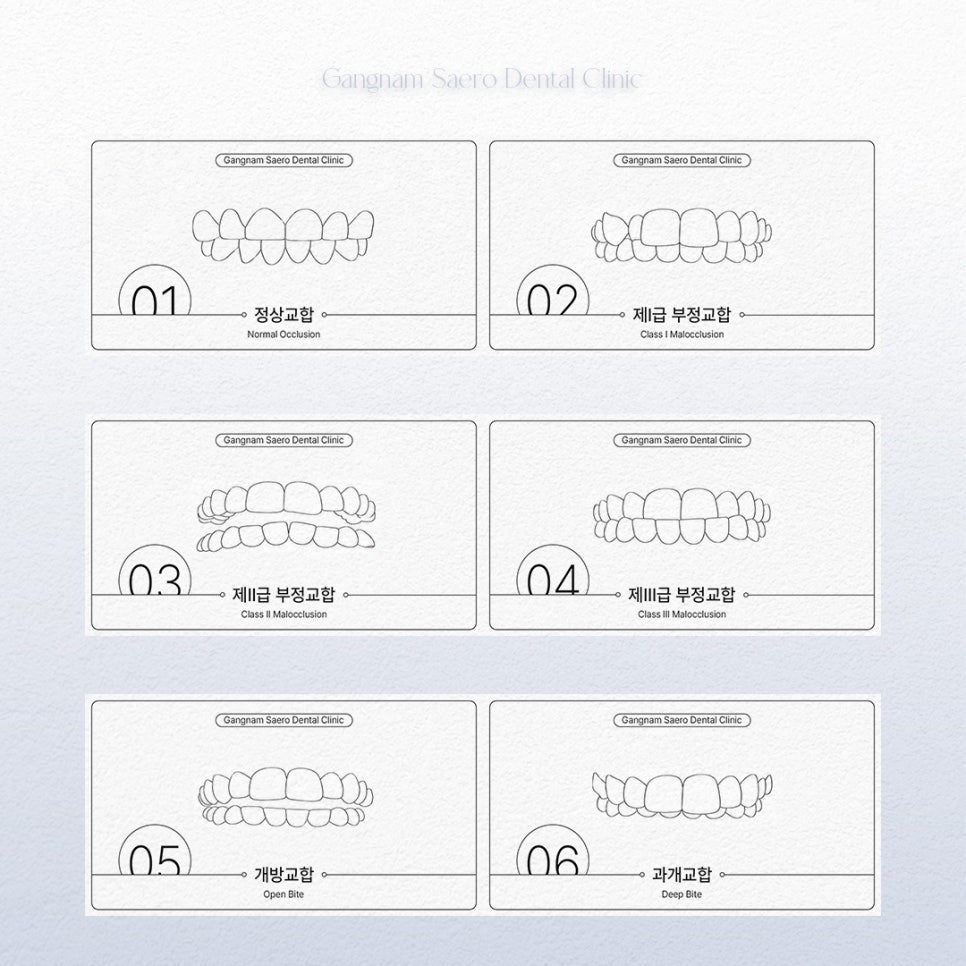
Most malocclusions
are classified according to their form and bite relationship.
Among the classification criteria commonly used
is the anteroposterior relationship of the first molars.
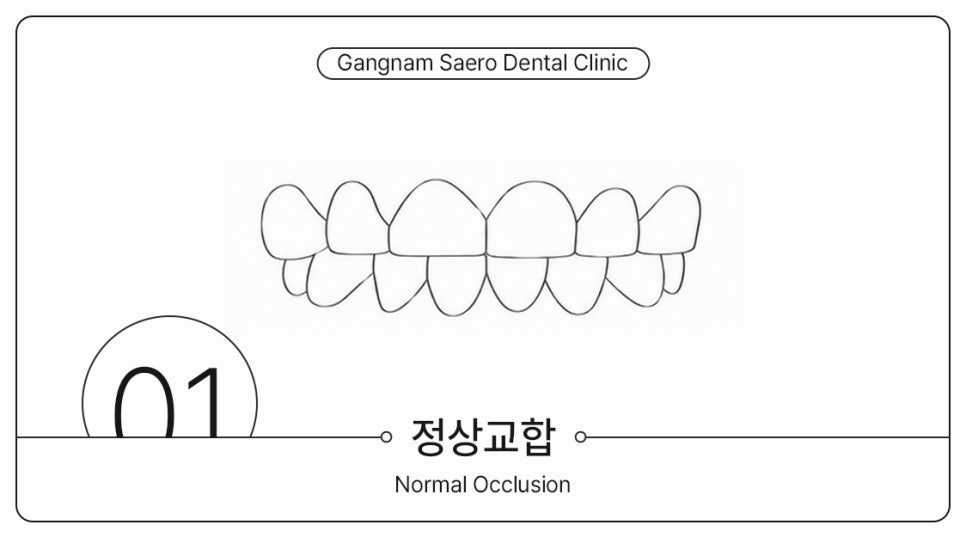
Normal Occlusion
A condition in which the anteroposterior relationship of the molars is normal,
the front teeth function naturally,
and the teeth are relatively well aligned
is called normal occlusion.
In other words, it refers not simply to teeth that look attractive,
but to a stable condition in terms of both the bite and function.
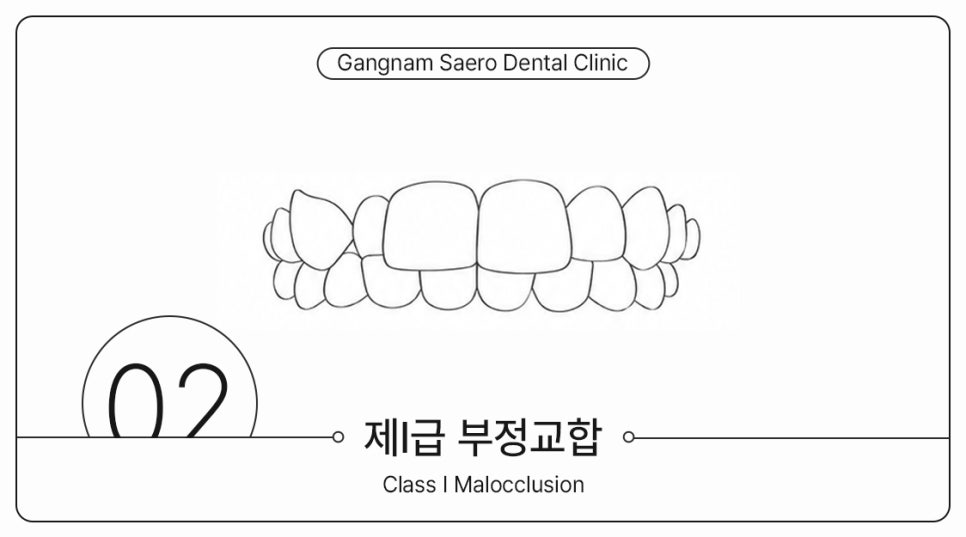
Class I Malocclusion
The anteroposterior relationship of the molars is close to normal,
but the function of the front teeth is abnormal,
the teeth are crooked,
or there are concerns about the alignment and lip profile,
such as protruding teeth or lips.
This is called Class I malocclusion.
It may appear relatively mild from the outside,
but in reality, it can involve significant esthetic concerns
or affect bite function in quite a few cases.
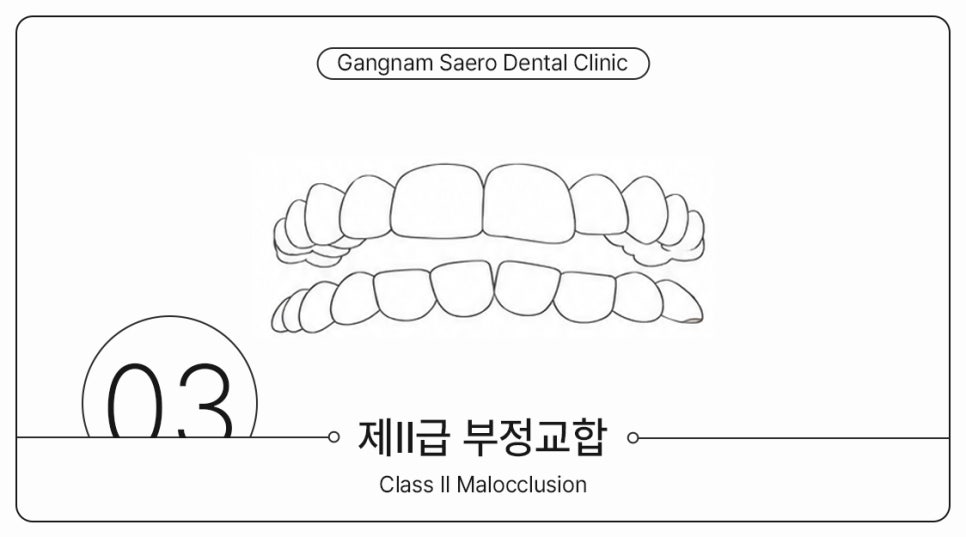
Class II Malocclusion
This refers to a condition in which
the upper first molars are positioned
farther forward than the lower first molars.
It is often seen together with upper-jaw protrusion, an excessive overbite, or the appearance of a weak chin.
In other words, the upper teeth may appear generally protruded,
or the lower jaw may give the impression of being positioned too far back.
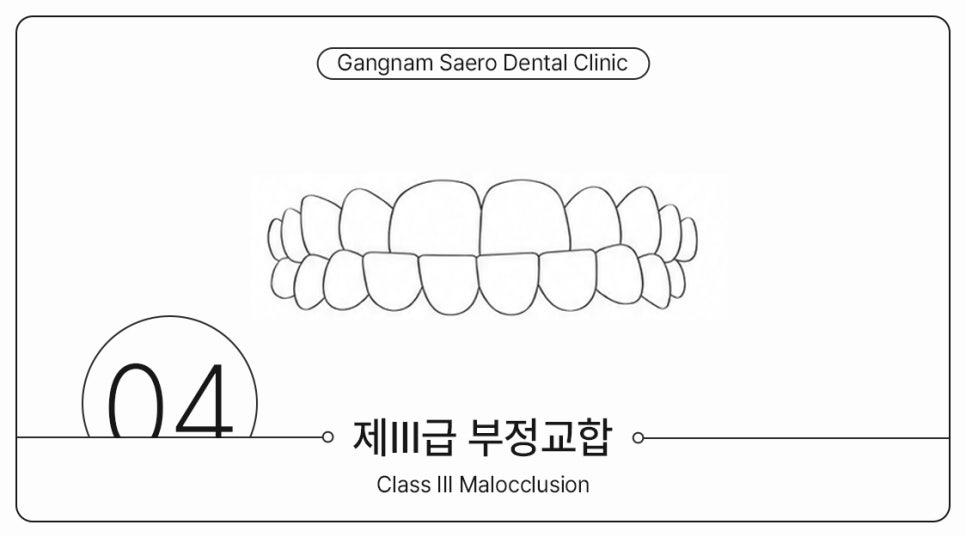
Class III Malocclusion
This is a condition in which
the lower first molars are positioned
farther forward than the upper first molars.
It is often associated with an appearance resembling prognathism.
However, even if someone appears to have prognathism,
separate diagnosis is needed to determine whether the issue is primarily tooth alignment
or whether a skeletal problem is also involved.
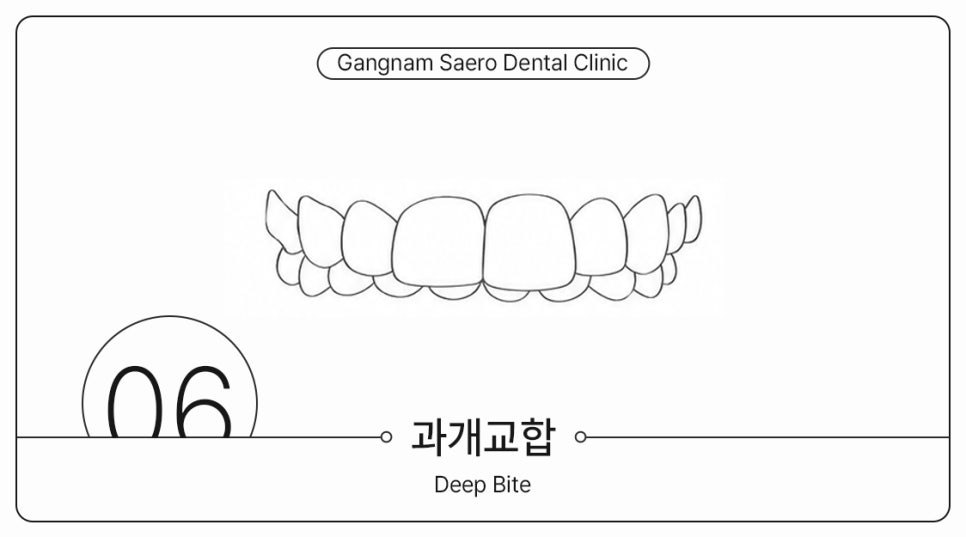
Deep Bite
This is a condition in which the upper teeth excessively cover the lower teeth.
It may not appear to be a major problem from the outside,
but it can lead to difficulties with chewing,
wear of the front teeth, and even stress on the jaw joints.
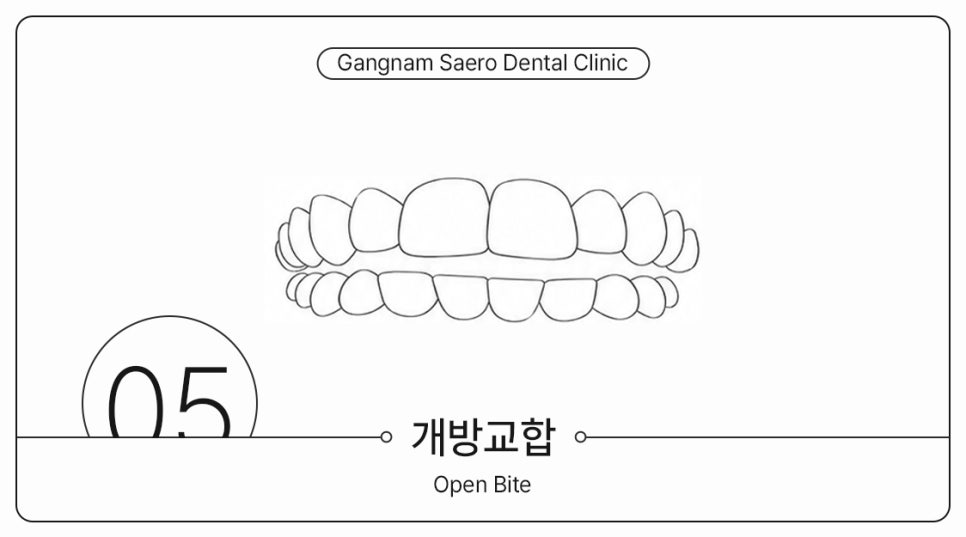
Open Bite
This is a condition in which the front teeth cannot meet,
leaving an open space even when the mouth is closed.
It can make it difficult to bite through food
and may cause air to escape during speech,
creating considerable esthetic and functional discomfort.
There is one point you should be sure to understand here:
The classifications Class I, Class II, and Class III
do not indicate whether a condition is more or less severe.
Because they are divided solely according to the anteroposterior relationship of the first molars,
Class I cannot automatically be considered mild,
nor can Class III automatically be considered serious.
Also, having a weak chin does not necessarily mean having Class II malocclusion,
and appearing to have prognathism does not automatically mean having Class III malocclusion.
Therefore, rather than judging based only on appearance,
an accurate diagnosis is needed first!
Why Should Malocclusion Be Corrected?
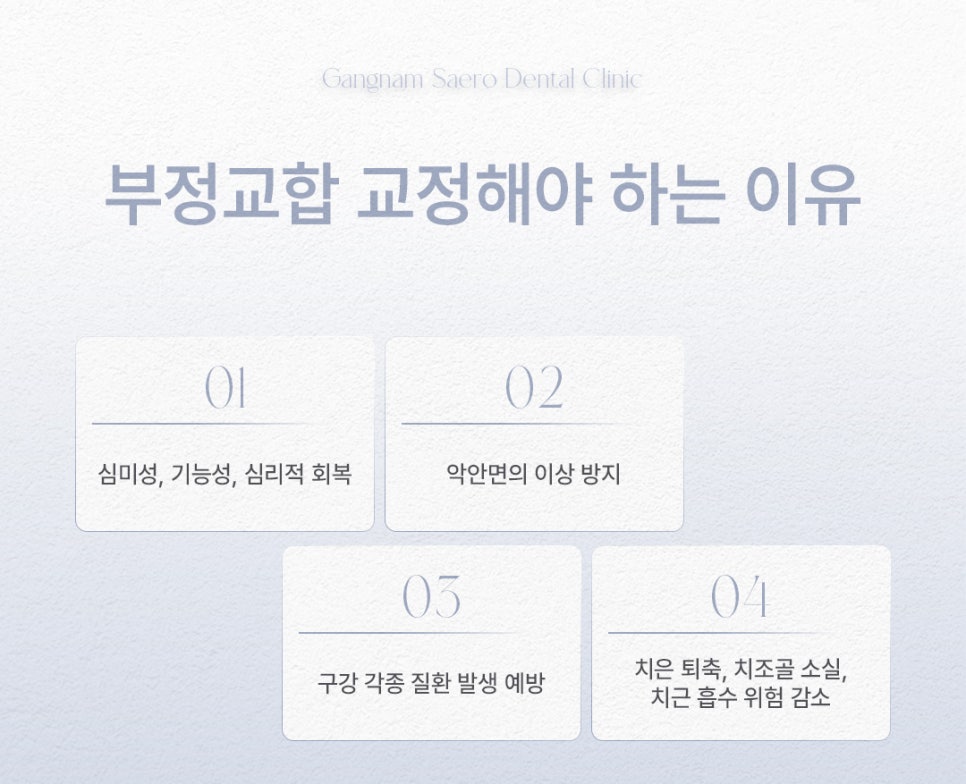
Malocclusion is not simply a matter of having uneven teeth!
In addition to esthetic stress,
it can reduce chewing function,
cause discomfort when speaking, or change pronunciation.
Depending on the case, it may even affect jaw movement
and cause problems with maxillofacial balance.
Over time,
it can also make oral hygiene management more difficult,
making cavities and gum disease more likely to develop.
In severe cases,
it may lead to difficult-to-reverse problems
such as gingival recession, alveolar bone loss, and root resorption.
In other words, malocclusion correction, prognathism orthodontic appliances, and protruding mouth orthodontic appliances
are treatments not only for improving appearance,
but also for protecting function and health.
If your condition is judged to require treatment,
it is advisable not to postpone it for too long whenever possible.
Treatment Methods for Malocclusion
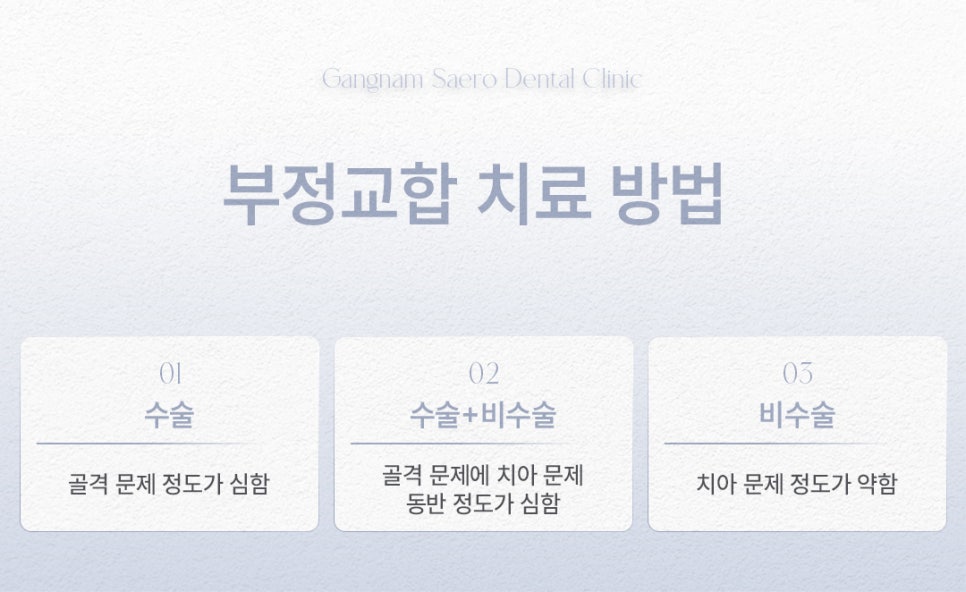
Malocclusion
can be treated in two ways: surgical and nonsurgical.
These are commonly known as double-jaw surgery and double-jaw orthodontic treatment.
When a severe skeletal problem is also present,
surgery and orthodontic treatment may need to be considered together
to expect a good outcome.
On the other hand, if the skeletal discrepancy is not substantial
and the condition can be improved sufficiently through tooth movement alone,
nonsurgical treatment—that is, orthodontic treatment alone—may be possible.
The important thing is
to accurately determine which category your condition falls into
through a detailed examination.
Even when conditions look similar,
orthodontic treatment alone may be sufficient for one person,
while surgery may be more appropriate for another!
Can Malocclusion, Prognathism, and Protruding Mouths Also Be Treated with Clear Aligners?
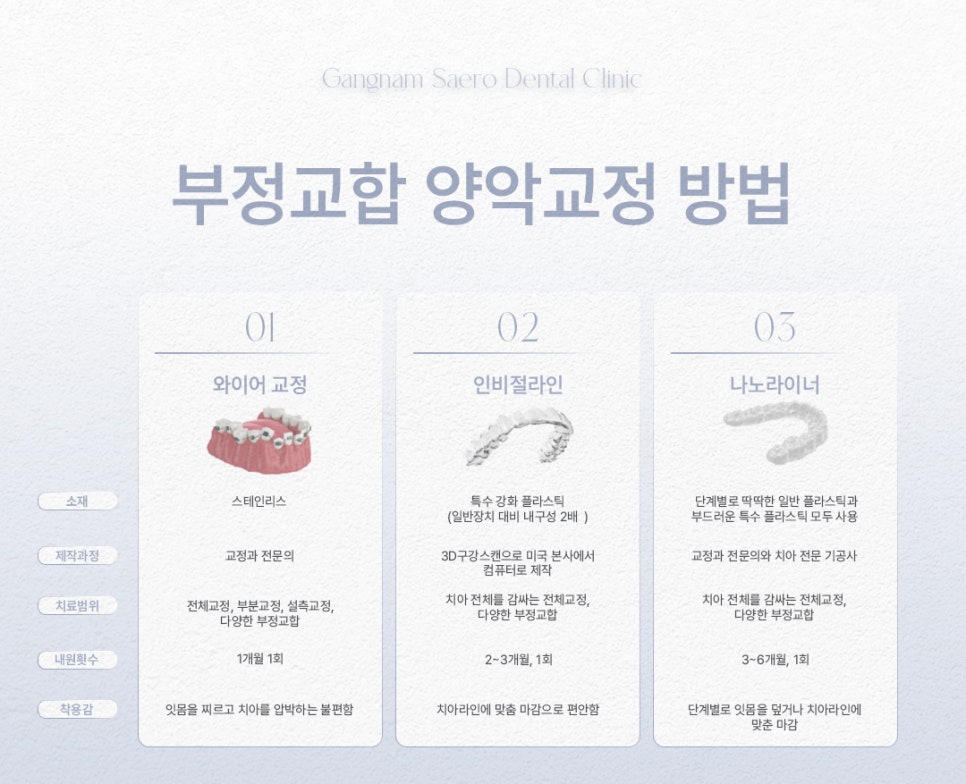
After a detailed examination,
if you are diagnosed with malocclusion that can be treated with orthodontic treatment alone,
the next question is which appliance to choose.
These days, many people place the greatest importance on esthetics,
so clear aligners are often considered first, right?
Among the best-known clear aligner systems
are Invisalign and Nanoliner.
Clear aligners
can be effective even for malocclusion, prognathism, and protruding mouths,
while also being inconspicuous,
removable,
and able to reduce the burden on daily life.
For these reasons, they are particularly preferred by adult orthodontic patients.
Correcting Malocclusion with Invisalign and Nanoliner
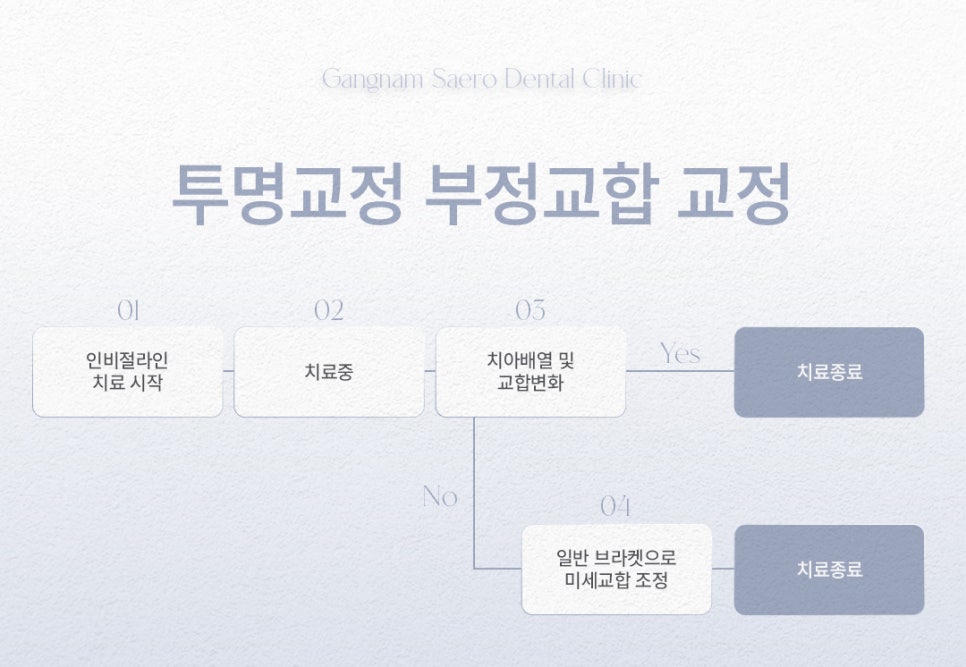
Some people think that
because clear aligners have limitations compared with wire braces,
they may not be suitable for complex malocclusion, prognathism, or protruding mouths.
In reality, however,
they are appliances capable of correcting a wide range of malocclusions.
Clinically, though,
additional refinement may be needed for more delicate movements,
such as extrusion, rotation, and control of distal tipping.
Therefore, at Gangnam Saero Dental Clinic,
even after completing the main course of correction with clear aligners,
if it is deemed necessary,
we add fine occlusal adjustment using wire appliances
to enable a more complete malocclusion treatment plan.
In other words,
it is important to preserve the esthetic advantages of clear aligners
while also creating a supplementary plan
so that functional finishing is not overlooked.
What Should You Look for in a Malocclusion, Prognathism, and Protruding Mouth Orthodontic Clinic?
Malocclusion treatment
does not end simply by placing an appliance.
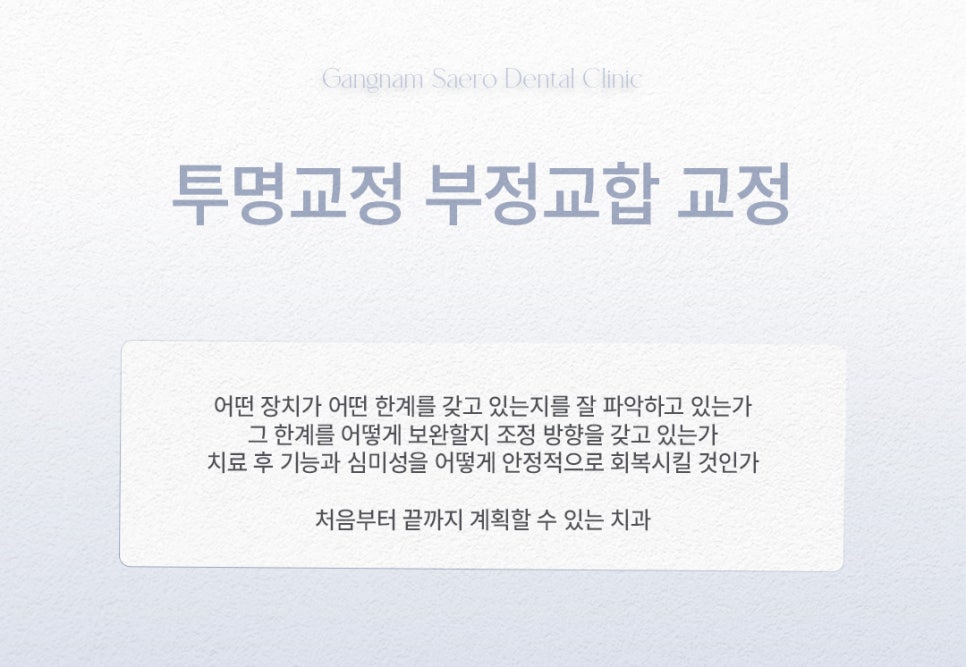
You should choose a clinic that can plan everything from beginning to end:
what limitations each appliance has,
how those limitations will be addressed,
and how function and esthetics will be restored and stabilized after treatment.
Otherwise,
even if the treatment appears complete on the outside,
the process may end with an unsatisfactory result,
leaving you disappointed after investing time and money.
In-Depth Orthodontic Treatment Beyond Simply Improving Appearance

Gangnam Saero Dental Clinic
has a director with more than 20 years of accumulated experience and expertise,
who serves as an orthodontic specialist for entertainers
and formerly held a position as an adjunct professor.
As a result,
you can receive consultations at Gangnam Saero Dental Clinic
for double-jaw orthodontic treatment at a level available from a university hospital,
in a more convenient setting.
In particular, for cases such as malocclusion,
where both esthetics and function must be considered,
the difference in diagnosis and treatment planning can be significant.
Malocclusion treatment
is not simply orthodontic treatment to improve appearance;
it also restores function
and protects your future oral health.
That is why greater care is necessary,
and why experienced medical professionals are more important.
- This post, including medical information, was provided by a medical institution pursuant to a third-party contractual relationship.