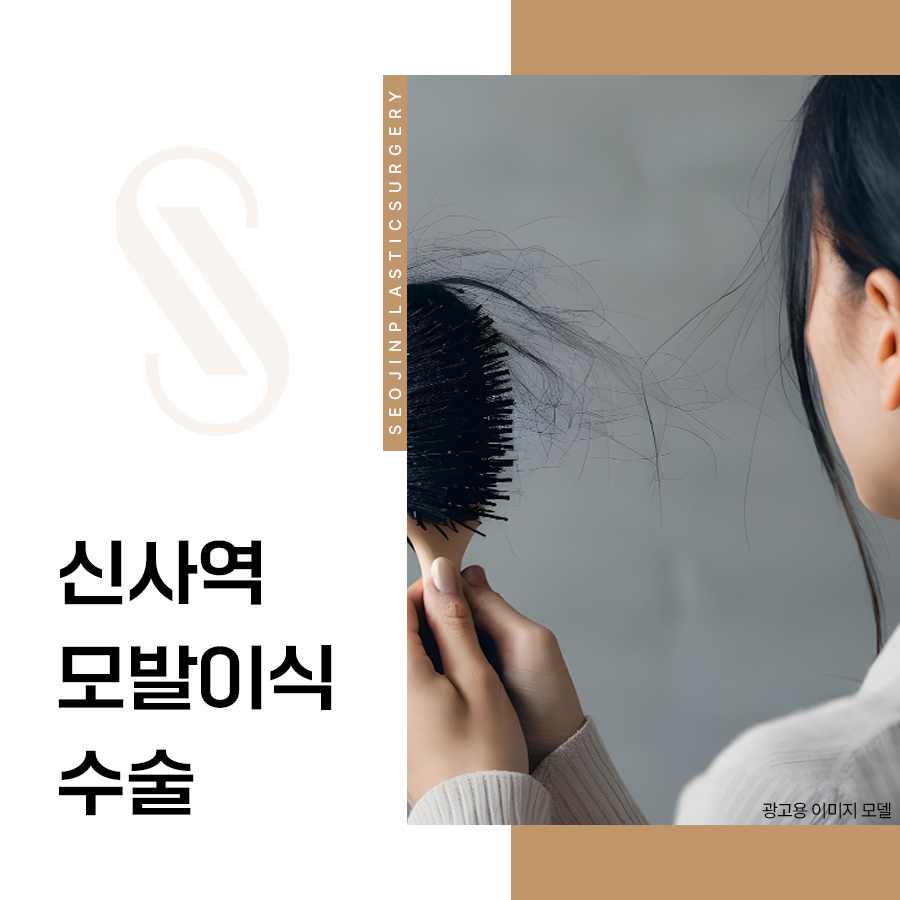
Hair loss was one of the concerns many people dealt with. In our country, one in ten people was said to be worried about hair loss, so it was no longer a concern limited to a specific age group or gender, but something many people struggled with.
Hair loss can also occur in women, but it was especially common in men. Such hair loss could greatly interfere with appearance-related factors and affect self-esteem. Because of this, there were quite a few people who felt discouraged in social relationships. For such people, hair loss could not help but be a major concern. Today, we have organized information about hair transplant surgery methods for people with hair loss.
What hair transplant surgery is
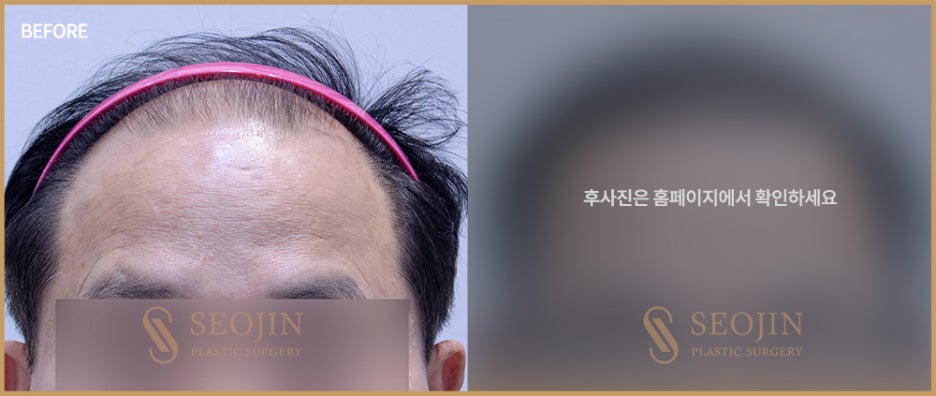
Hair transplant surgery was a method that transplanted healthy hair into areas affected by hair loss, helping hair grow back naturally. Usually, hair is collected from the back or sides of the scalp and transplanted to the areas where hair loss has occurred. The method could largely be divided into two types.
- FUL (Follicular Unit Transplantation)
This was a method of making a thin incision in a section of scalp with hair and harvesting follicular units.
- FUE (Follicular Unit Extraction)
This was a method of extracting and transplanting individual follicular units one by one without making an incision in the scalp.
Both methods have their own pros and cons, and the suitable method differs depending on the patient’s degree of hair loss and scalp condition, so it was advisable to choose the appropriate method based on one’s condition and desired results.
Hair transplant surgery process
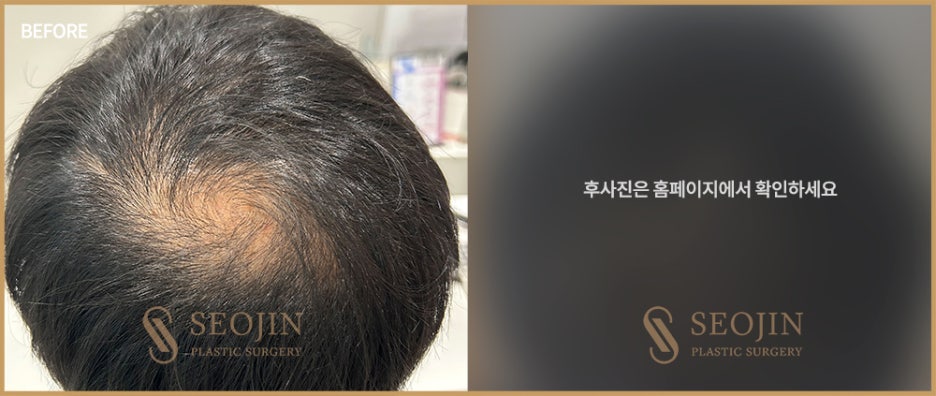
The hair transplant surgery process at Sinsa Station could vary depending on several factors, but from a broad perspective, the general hair transplant surgery process was as follows.
- Consultation and examination
If you were considering a hair transplant, it was important to first receive a consultation.
Through the consultation, you could objectively assess the degree of your hair loss and check whether surgery was appropriate and which method would be suitable. You could also receive detailed guidance on the hair transplant process, as well as expected results and post-surgery care.
- Anesthesia
Hair transplants were mostly performed under local anesthesia.
Before surgery, anesthetic could be injected into the scalp to reduce concerns about pain and help the patient avoid discomfort during the procedure.
- Follicle harvesting
Harvesting the follicles was the first step. In the FUT method, a certain portion of skin was incised from the back or side of the scalp to harvest follicular units.
In the FUE method, each follicular unit was harvested individually, reducing the burden of scalp scarring after hair transplant surgery at Sinsa Station and leaving only tiny scars.
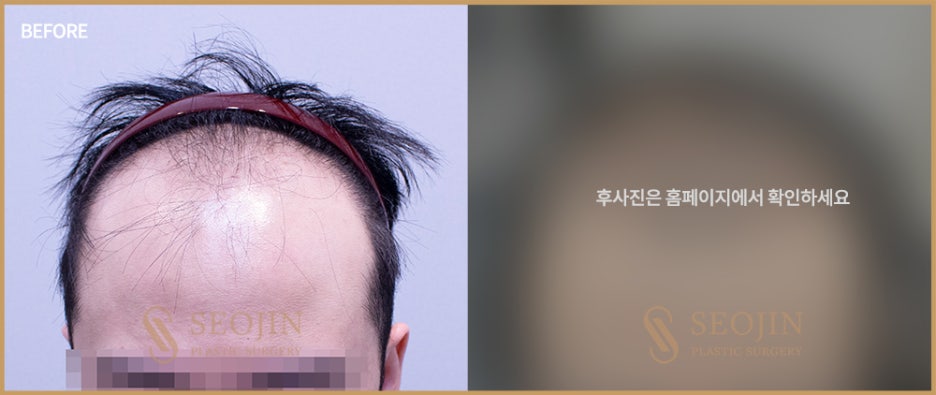
- Follicle transplantation
This was the process of transplanting the harvested follicles into the hair-loss area. Small holes were made in the transplant area to implant the tiny follicular units.
It was important to transplant them in a way that allowed the follicles to settle well in the recipient area and grow naturally.
- Aftercare
Once the hair transplant surgery at Sinsa Station was complete, aftercare was important. It was important to follow the guidance of the medical institution carefully. After surgery, care should be taken not to stimulate the transplanted area, and the scalp needed to be managed carefully for a certain period.
During the first few weeks, the transplanted hair could temporarily fall out, but this was a normal process. After about 3 to 6 months, the transplanted hair would begin to grow, and you could start to notice the results of the hair transplant. These processes could vary depending on individual factors. Therefore, it was better to first talk with the medical staff about the method that would be suitable for you.
Pros and cons of hair transplant surgery
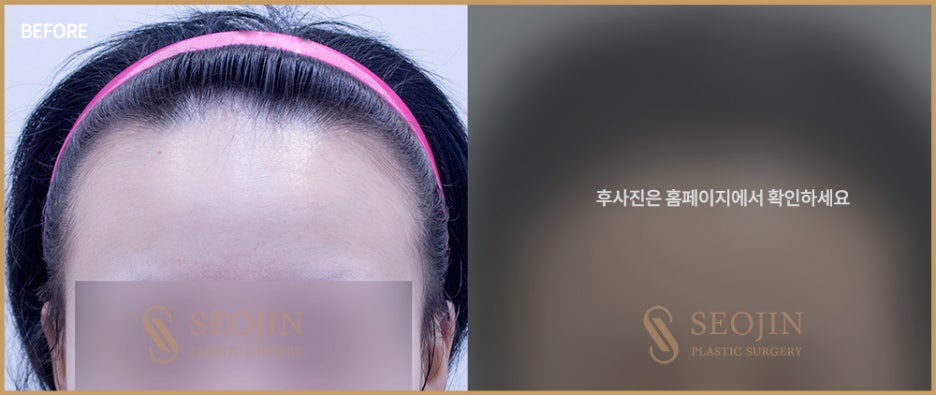
So far, we have looked at the definition and process of hair transplant surgery. The biggest advantage of this method was that natural-looking results could be expected. Since your own hair was transplanted into the hair-loss area, natural results could be expected.
However, the cost could be somewhat burdensome, and during the first few months after surgery, hair loss could be severe, which could cause psychological stress. In addition, people with severe hair loss might not achieve sufficient results with just one procedure. Because of this, additional procedures could be necessary. Therefore, it was advisable to discuss with the medical staff through sufficient consultation which methods and processes would be needed.
Conclusion: hair transplant surgery at Sinsa Station
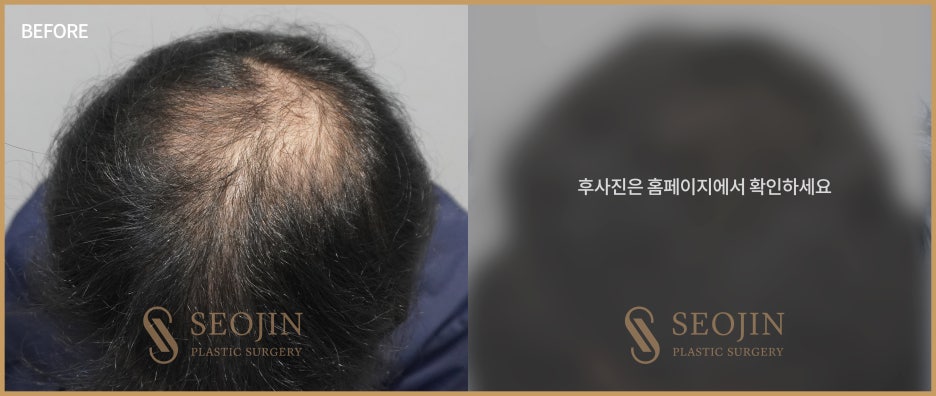
Hair transplant surgery was an effective method that could improve symptoms caused by hair loss.
However, sufficient consultation and review beforehand were necessary. After surgery, appropriate care also had to be carried out together in order to expect natural results. It was advisable to choose a method that matched your hair-loss condition and goals, and to decide on surgery only when necessary after receiving advice from medical staff.









Previous image
Next image