Hair loss has become a concern for many people these days. In the past, it was something that could happen as people got older, but now, due to factors such as lifestyle habits and stress, more young people are also experiencing hair loss. As a result, interest in methods for improving hair loss has also been increasing.
One way to address hair loss is through hair transplantation. It can be broadly divided into incision hair transplantation and non-shaving hair transplantation, and the suitable method may vary depending on the degree of hair loss and the desired improvement direction.
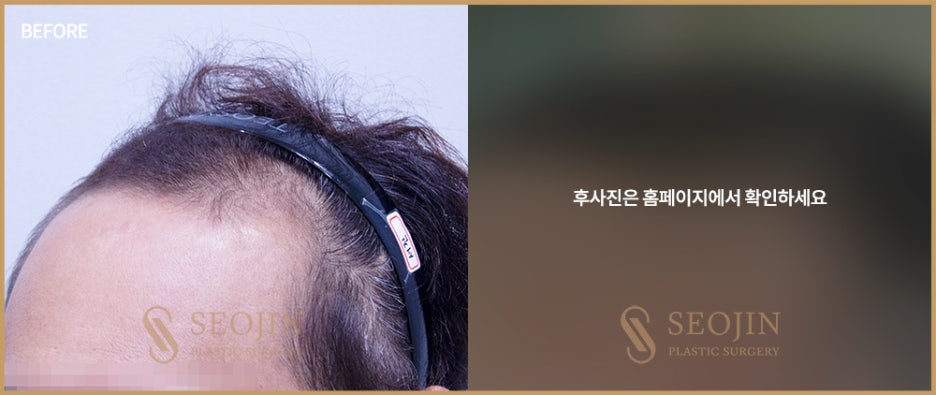
That is why it is preferable to apply the method that suits you best.
In particular, many people prefer non-shaving hair transplantation because it can produce aesthetically natural results. Today, we looked at the differences between the non-shaving hair transplant surgery method and the incision hair transplantation method.
What Is Non-Shaving Hair Transplantation
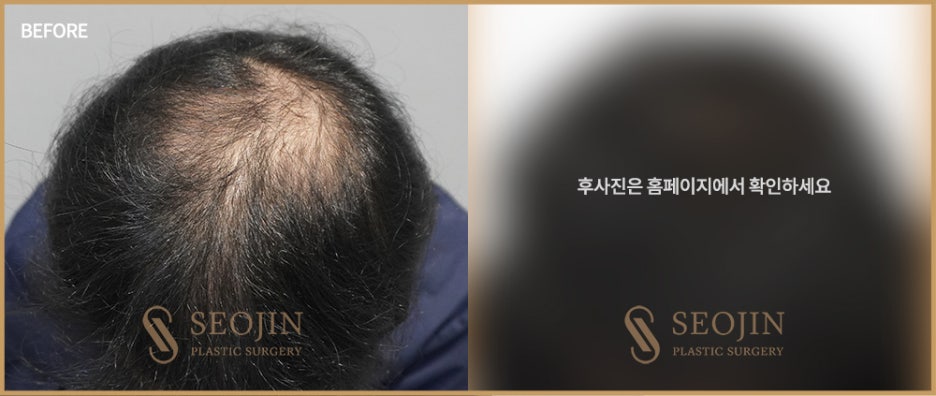
The non-shaving hair transplant surgery method refers to a procedure in which healthy hair follicles are collected one by one from the back of the head and transplanted to areas affected by hair loss.
Because the scalp is not incised, there is less concern about large scars remaining, and it has the advantage of forming natural-looking hair.
However, it can only be considered in cases where the non-shaving hair transplant surgery method is possible, so it is not suitable for everyone.
Cases where non-shaving hair transplantation may be possible include the following:
-
For those concerned about early-stage hair loss: when natural restoration of the hairline is needed in the early stages of hair loss
-
For those with a small area of hair loss: when the affected area is limited
-
For those who want natural results: when you want natural results without worrying about scars
Advantages of Non-Shaving Hair Transplantation
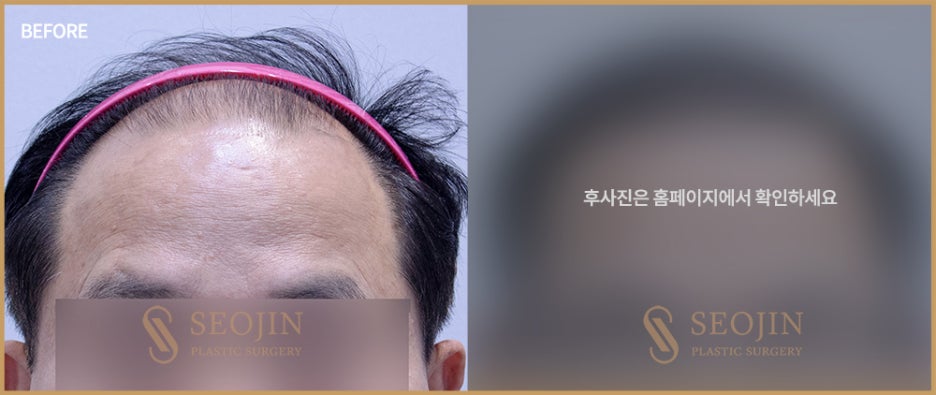
Non-shaving hair transplantation has various advantages, making it a suitable option for people concerned about hair loss. The advantages of non-shaving hair transplantation include the following:
-
Natural results: The transplanted hair blends with the existing hair, making natural results possible.
-
No need to worry about scars: Non-shaving hair transplantation does not require an incision, so there is less concern about scars remaining on the scalp. For those with short hair, it can help maintain a short hairstyle naturally.
-
Return to daily life: Since no incision is needed, returning to daily life is easier.
-
Existing hairstyle can be maintained: There is no need to shave the head, making it convenient for those who have difficulty shaving for social or occupational reasons.
-
Versatile use: Non-shaving hair transplantation has a wide range of uses. In addition to hair loss treatment, it can also be considered for cosmetic purposes such as hairline correction and scar coverage.
-
Less pain: Because there is less burden from incision and the follicles are collected through punching, there is less pain than with the incision method.
Non-Shaving Hair Transplant Surgery Method
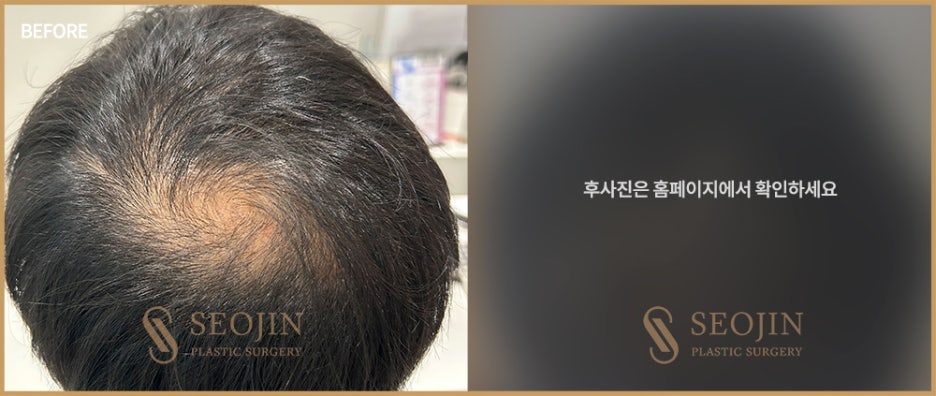
- Consultation and diagnosis: Through consultation with medical staff, the cause and condition of hair loss are diagnosed and an appropriate hair transplant method is established for each individual.
- Follicle extraction: Healthy hair follicles are collected one by one from the back of the head.
- Hair transplantation: The collected follicles are transplanted to the hair-loss area using precise techniques, and natural results are created by considering the direction and density of the hair.
- Aftercare: Guidance is provided on post-procedure care methods and precautions, and the future condition is monitored through regular follow-up visits.
Non-Shaving vs. Incision Hair Transplantation: Methods and Differences
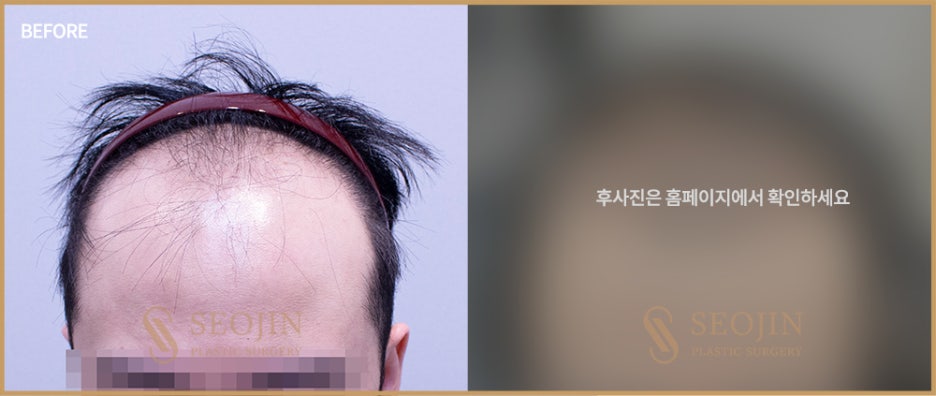
The non-shaving hair transplant surgery method and the incision hair transplantation method differ in several ways.
A comparison of the two methods is as follows. By comparing the features below, you can think about which method is right for you.
| Category | Non-Shaving Hair Transplantation | Incision Hair Transplantation |
|---|
| Procedure | Follicles are harvested individually | Follicles are harvested by incising the scalp |
| Scarring | Almost none | A linear scar may remain |
| Recovery period | 5–7 days | More than 2 weeks |
| Pain | Mild discomfort | Relatively greater pain |
| Follicle damage rate | Low | Relatively high |
| Suitable candidates | - When follicles are healthy and recovery is important - When the amount harvested is small in early-stage hair loss | - When a large amount needs to be harvested |
Conclusion
Non-shaving hair transplantation was an effective method for resolving concerns caused by hair loss and restoring confidence.
If you want to minimize the burden of scars and achieve natural-looking results, you may consider the non-shaving hair transplantation method.
For hair transplantation to produce a natural and full result for you, it must be based on a transplant plan suited to each individual.








Previous image
Next image