
These days, with poor fine dust levels continuing, there are concerns about adverse effects on the respiratory system. Fine dust is not easily visible, so it is easy to overlook its negative impact on health.
Fine dust refers to airborne pollutants with a diameter of 10 μm or less. Ultrafine dust is even smaller at 2.5 μm and can act more severely on the human body. These days, awareness of fine dust has increased a lot, so more people are paying attention to the standards for fine dust concentration. Today, let’s take a look at the standards for fine dust concentration and how to ventilate when fine dust levels are poor.
Fine Dust Concentration Standards
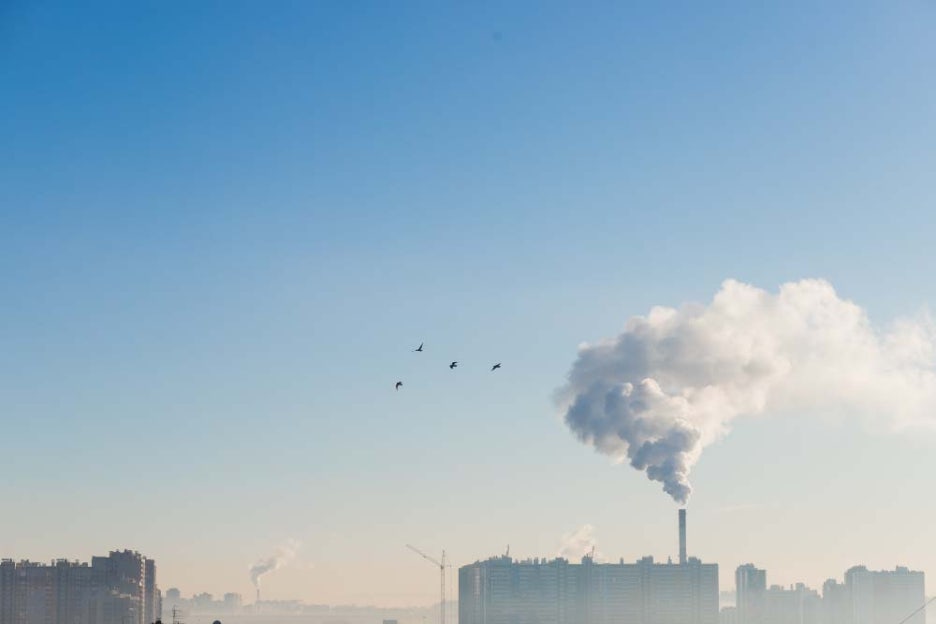
Fine dust can penetrate directly into the body without being filtered by the nasal mucosa when you breathe, which can negatively affect your health. Short-term inhalation may not cause immediate effects, but with long-term, continuous exposure, the risk of various diseases such as asthma, lung disease, and cardiovascular disease may increase. That is why, during periods of poor fine dust conditions, it is important to avoid going out as much as possible or to ventilate properly when fine dust levels are poor.
So what are the standards for fine dust concentration?
Fine dust concentration is generally measured in μg per 1 m³.
Depending on the measured value, it can be divided into the following ranges.

This is a level at which no effects are induced, even in groups of patients with air pollution-related diseases.
- Moderate level: 31–80 μg/m³
This is a level at which mild effects may be induced with chronic exposure in patient groups.
This is a level that may cause harmful effects in patient groups and sensitive groups (children, the elderly, etc.), and even the general public may experience health-related discomfort.
- Very poor level: 151 μg/m³ or higher
This is a level that can cause severe effects in patient groups and sensitive groups during acute exposure, and even the general public may experience mild effects.
Guidelines for Poor Fine Dust Conditions

So far, we have looked at the standards for fine dust concentration. If the poor fine dust level continues like it has been recently, what should you do to protect your health?
-Avoid long periods of outdoor activity
When fine dust is at the poor level or higher, it is best to avoid long periods of outdoor activity. Also, if you do go outside, it is advisable to wear a mask.
-Wear a KF94 or higher mask
On days when fine dust is severe, it is best to wear a mask at all times. However, people with weaker respiratory systems may have difficulty breathing, so it is better not to wear it for long periods.
-Wash your hands and face thoroughly after going out
It is not good if a lot of fine dust remains on your skin after going out. After returning home, it is best to wash your hands and face thoroughly.
-Stay well hydrated
Drinking water frequently helps keep the mucous membranes in your throat moist and promotes metabolism, which increases the body’s detoxification ability.
How to Ventilate When Fine Dust Levels Are Poor

Lastly, it is good to ventilate when fine dust levels are poor. At poor levels, it is easy to think that ventilation should be avoided, but short and effective ventilation helps circulate fine dust and other bad air that remain indoors, keeping the space comfortable. Please use the ventilation methods below to manage indoor air quality at home.
-Use an air purifier
If you have an air purifier at home, it is a good method for ventilating when fine dust levels are poor. It is best to run the air purifier regularly to manage indoor air quality.
-Short and effective ventilation
When fine dust levels are poor or very poor, short periods of ventilation can help manage indoor air. This is because ventilation can expel pollutants to the outside. Even for 3 to 5 minutes, opening windows on both sides to create an air path can improve ventilation effectiveness. It is best to ventilate once a day, at least three times.

-Early morning, late evening
It is best to ventilate while avoiding times when vehicle traffic is heavy.
-Clean often
After ventilating, it is best to clean frequently. To prevent dust from accumulating on the floor, it is good to wipe the floor thoroughly with a wet mop.
Fine dust information can be checked on the AirKorea website for air quality information in your area.








 Previous image
Next image
Previous image
Next image