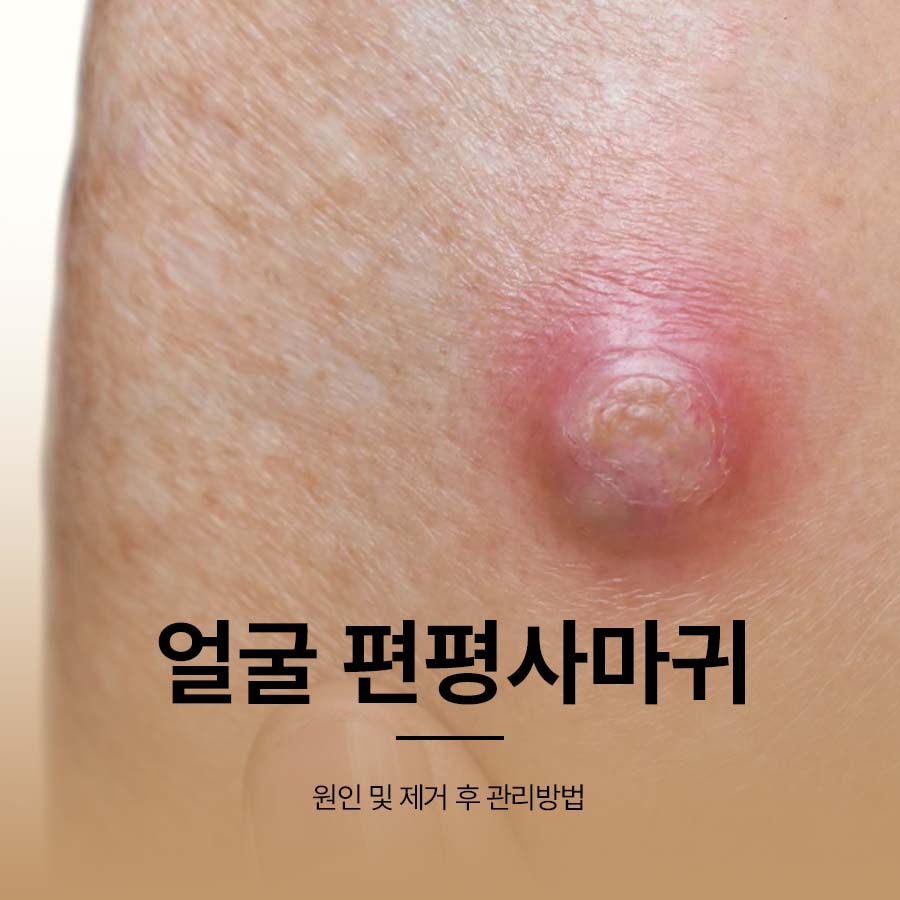
It seems like a spell of severe cold has arrived, and then it warms up again, only for the severe cold to return, making this a time when it is easy for immunity to drop. In such an environment, weakened immunity can also increase the risk of various viral diseases. Not only respiratory illnesses, but also skin viral infections need to be watched for.
The most common skin viral disease is flat warts. If you scratch or pick at them carelessly, they can spread to other areas, so caution is needed. Today, let’s briefly look at the causes of facial flat warts and how to care for them after removal.
What Are Flat Warts?
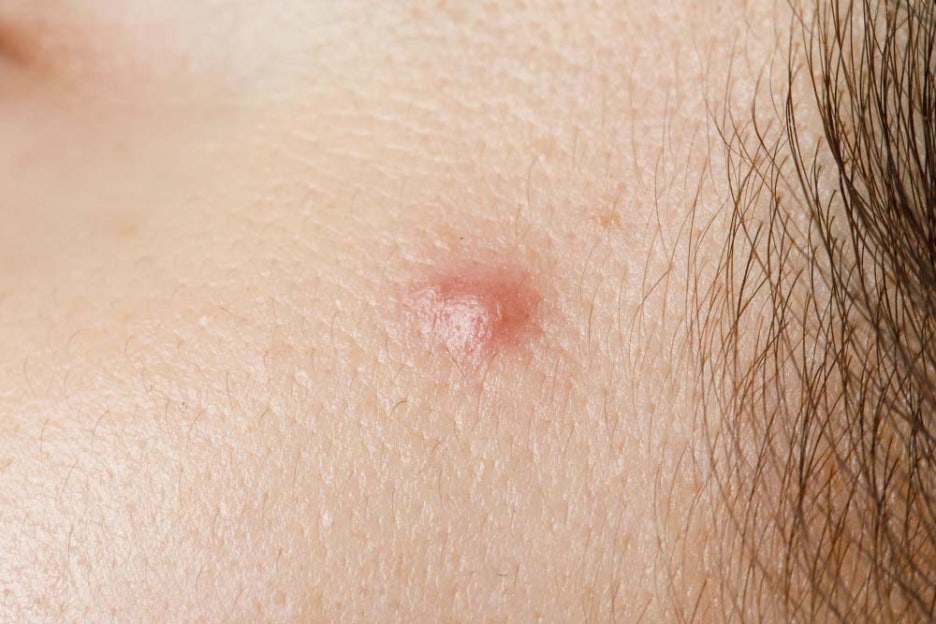
Reference image
Flat warts are a skin condition that can be caused by infection with human papillomavirus (HPV) types 3, 10, 28, and 41. They are characterized by infecting the upper layer of the skin and forming small, flat warts in the infected area. They are flesh-colored or light brown warts and are easy to observe with the naked eye.
The surface appears as small, flat papules, and they may appear individually or the lesions may merge and become irregular. They can occur in anyone, and they often appear on the face, such as the forehead, chin, nose, and around the mouth, as well as on the backs of the hands.
Causes of Facial Flat Warts
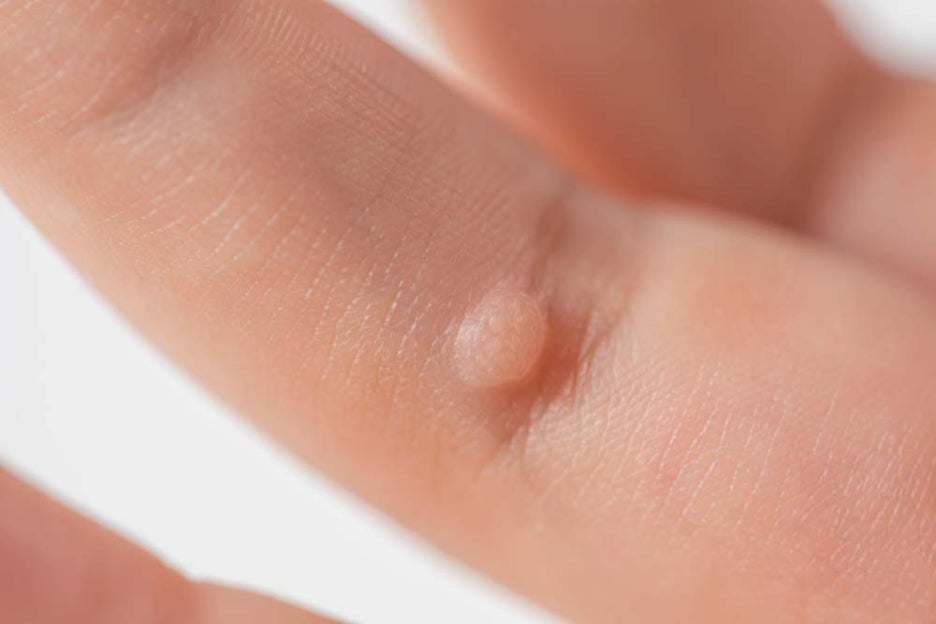
Reference image
The cause of facial flat warts is human papillomavirus (HPV).
The viruses that cause flat warts are HPV types 3, 10, 28, and 49.
They often appear on the face, such as the forehead, chin, nose, and around the mouth, and also on the backs of the hands. Although this type of wart has a relatively high rate of spontaneous healing, if left untreated it can spread from the face to the rest of the body and increase in number, so it is best to receive treatment at an appropriate time. Other causes of warts include the following:
✔ Common warts: The most common type. They are caused by HPV types 2, 4, 27, and 29. Papules of various sizes with a rough, raised surface appear on the backs of the hands, around the nails, and around the face.
✔ Plantar warts: Mainly caused by HPV type 1. They can also be caused by types 2, 4, 27, and 29. On the soles of the feet, they may look like corns because of pressure from body weight.
✔ Condyloma acuminatum: Caused by HPV types 6, 11, 16, 18, 31, 33, 34, 35, and 39. Among these, types 6 and 11 are known to have a relatively low association with genital and cervical cancer, while the others are known to have a higher association with cervical cancer.
How to Remove Flat Warts
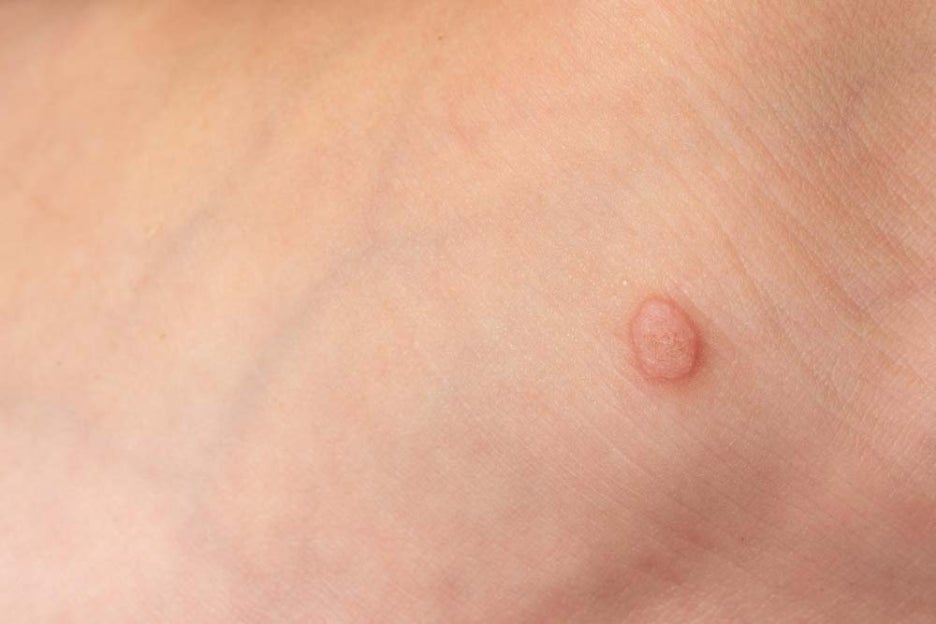
Reference image
So far, we have looked at the causes of facial flat warts. Warts themselves are not attractive in appearance. If left alone, they can spread to nearby areas, so it is best to remove them appropriately. So, what methods are used to remove flat warts?
Flat warts are usually removed with a CO2 laser.
A CO2 laser is a treatment method that uses high-energy laser light reacting to moisture to precisely remove wart tissue. As the laser vaporizes the wart tissue, it destroys cells infected with the HPV virus.
If there are only a few lesions, treatment may be possible in a single session, but if there are too many, treatment may need to be divided into multiple sessions.
How to Care for the Skin After Flat Wart Removal
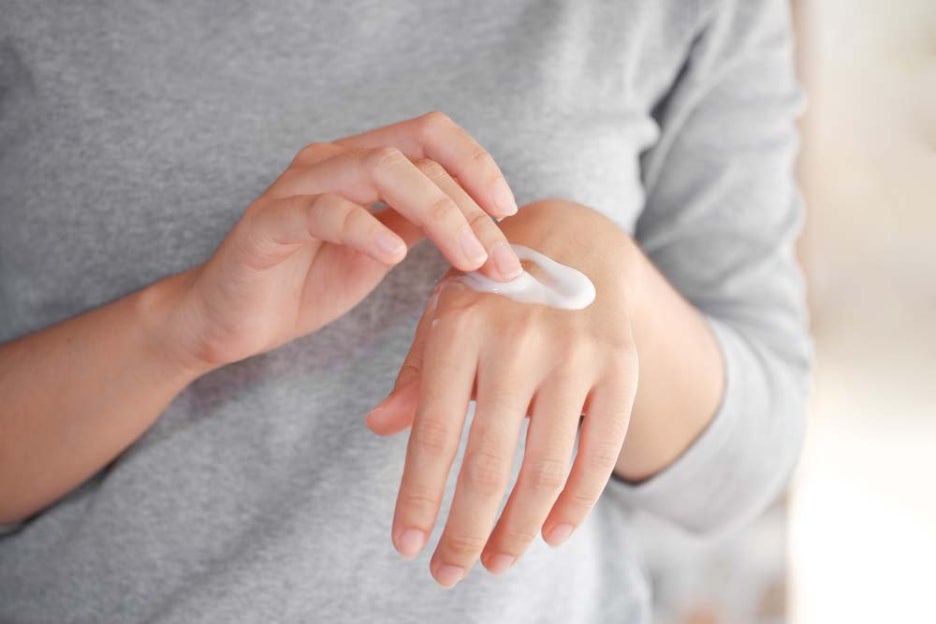
Reference image
So far, we have looked at how flat warts are removed. After removing warts, you need to be careful with aftercare.
This is because people with a large number of lesions may experience itching, inflammation, and secondary infection after removal, leading to scars and pigmentation. It is important to take good care of the skin after wart removal through proper post-removal care.
-
Apply antibiotic ointment well: As part of aftercare after flat wart removal, you should apply antibiotic ointment properly.
-
Do not scratch the skin: Avoid scratching the skin and causing damage. Be careful not to touch it with your hands, as this may cause recurrence or spreading again.
-
Maintain regular eating and sleeping habits: The cause of flat warts is also linked to weakened immunity, so it is important to maintain good immunity through regular eating habits and enough sleep.



Previous image
Next image