
Urine tests are included in health checkups because urine is one indicator that can help assess your health status. In a healthy person, it is clear and light amber or pale yellow in color. It has little to no odor and is either transparent or slightly clear. If the color of your urine is different or if foam appears, it is a good idea to take another look at your health condition.
Among these, if you notice foam in your urine, it is worth paying attention. It can appear temporarily if the urine stream is strong or if you are dehydrated in the morning, but if foam keeps appearing in your urine, or if other physical symptoms accompany it, you need to check your health status again. Today, let’s look at the causes of foamy urine and briefly review the early signs of diabetes.
Early Signs of Diabetes
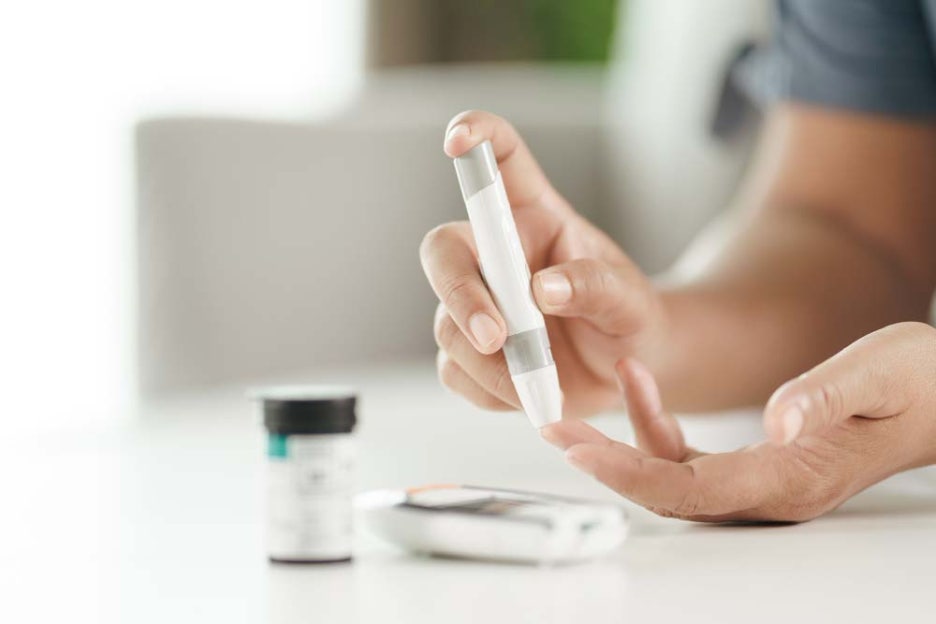
What people with foamy urine should be careful about is that it may be a sign of early diabetes.
Of course, you cannot conclude that diabetes is in its early stage just because foam appears, but if the following symptoms are accompanied, it may be a sign of early diabetes.
One of the early signs of diabetes is foamy urine.
If foam is continuously observed in urine or if the following symptoms are present, the likelihood of early diabetes is high. It is a good idea to undergo blood glucose testing and a urine test for an accurate diagnosis.

📝 The 3 major symptoms of early diabetes
-
Polyuria: As blood sugar rises, the kidneys may increase the frequency and amount of urination in order to excrete excess sugar.
-
Polydipsia: Frequent urination can leave the body short of water, causing strong thirst and leading you to drink water often.
-
Polyphagia: Because glucose is lost without being used as energy, you feel hungry even after eating the same amount and end up eating more.
📝 Other symptoms
-
Weight loss and fatigue: As blood sugar remains high, glucose may not be properly used for energy, which can lead to weight loss and fatigue.
-
Proteinuria, foamy urine: If early symptoms are left untreated, kidney damage may progress and lead to diabetic nephropathy. This can further worsen proteinuria and foamy urine.
Causes of Foamy Urine

The cause of foamy urine is not limited to early diabetes. There are other factors as well. The following causes can also be considered.
✔ Liver disease
With abnormal liver function, changes in the concentration of proteins in the blood can cause foam to appear in the urine.
✔ Urinary tract infection
If bacteria or white blood cells increase in the urine due to a urinary tract infection, foam may be visible. In cases of foamy urine caused by a urinary tract infection, symptoms such as pain or fever may accompany it.
✔ High blood pressure
If you have high blood pressure, the likelihood of foam in the urine may increase. This is because high blood pressure can damage the blood vessels in the kidneys, leading to protein leakage.
✔ Strenuous exercise
After strenuous exercise, increased muscle metabolism may temporarily cause protein to appear in the urine, making it look foamy.
✔ Dehydration
When fluid intake is insufficient, urine becomes more concentrated, making foam more likely to form.
These cases require diagnosis

So far, we have looked at the causes of foamy urine.
Foam may appear temporarily in urine after a strong urine stream, after strenuous exercise, or after eating a lot of meat. In such cases, it is a normal cause, so there is no need to worry too much.
▲ However, if the foam in your urine does not disappear for more than 5 minutes, or ▲ if swelling in the face or legs is severe, or ▲ if fatigue continues without a clear reason, or ▲ if you have an underlying condition, it is advisable to check your overall health status through a detailed examination. A urine test and blood test can assess kidney function and overall health, and additional tests may be performed if necessary.








 Previous image
Next image
Previous image
Next image