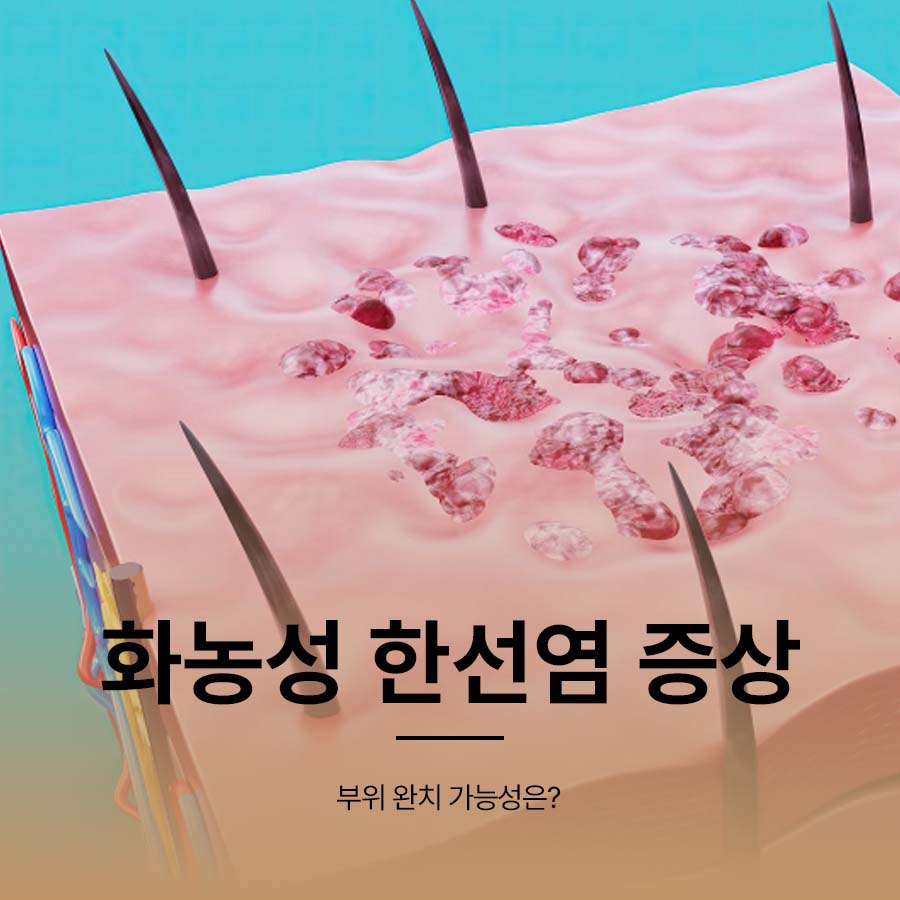
Inflammation can occur anywhere in our body. Inflammation is the body’s defensive response to harmful stimuli. Its purpose is to suppress cell damage at an early stage and remove destroyed tissue and necrotic cells so that new tissue can regenerate. This kind of inflammation can arise from various causes. Some cases are temporary, while others become chronic and affect health.
The hidradenitis suppurativa symptoms we will look at today are also a skin condition caused by this kind of chronic inflammation. In addition, because the inflammation can be extensive and is not easy to return to normal even after treatment, it is a condition that can greatly reduce a patient’s quality of life. That is why early diagnosis and treatment are necessary. Today, we will learn about hidradenitis suppurativa and briefly look at hidradenitis suppurativa symptoms, hidradenitis suppurativa areas, and the possibility of a cure.
What Is Hidradenitis Suppurativa
Hidradenitis suppurativa is a chronic inflammatory skin disease, also called “pus sweat gland inflammation.” It is one of the conditions that can be difficult to treat because it often recurs and lowers quality of life. Many people struggle with it because it causes severe pain as well as foul-smelling discharge. It is known to occur in about 1% of the population worldwide, and although it can be difficult to distinguish from common boils, its characteristic feature is a chronic and recurrent course.
Clinically, diagnosis is made based on three criteria, and all of the following conditions must be met for a diagnosis of hidradenitis suppurativa.
-
When skin lesions such as deep-seated painful nodules, abscesses, and fistulas are present on the skin
-
When they appear in distribution sites such as the armpits, groin, buttocks, perineum, and under the breasts
-
When there is a chronic course with recurrence of two or more lesions within 6 months, it can be diagnosed as hidradenitis suppurativa.
Hidradenitis Suppurativa Symptoms
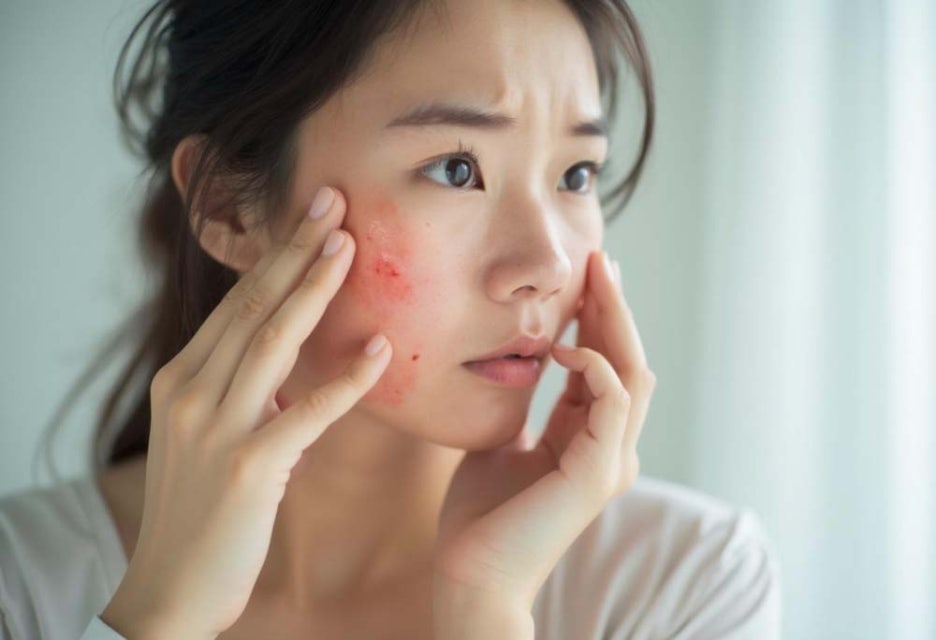 Reference image
Hidradenitis suppurativa usually occurs after puberty. It is characterized by recurring in areas where the skin folds. At first, it appears as red inflammatory nodules and boils, and it may be mistaken for a common boil.
However, as time passes, the symptoms worsen, the pain becomes more severe, and as the boil ruptures and the skin does not heal, chronic ulcers may develop.
The main symptoms of hidradenitis suppurativa are as follows.
-
Painful inflammatory nodules and abscesses form deep within the skin.
-
Fistulas that drain pus are formed.
-
Lesions recur repeatedly, showing a chronic course.
-
Repeated inflammation can leave scars on the skin.
-
Abscesses may connect under the skin and form sinus tracts.
-
In severe cases, the affected area can become extensive and may cause discomfort with movement.
Is a Cure Possible for Hidradenitis Suppurativa?
So far, we have looked at the symptoms of hidradenitis suppurativa. Hidradenitis suppurativa is a rare, intractable skin disease, and a complete cure is difficult.
So the goal of treatment is not a cure, but rather preventing additional lesions and reducing aftereffects.
For treatment, mild cases may use topical preparations such as clindamycin antibiotics. If there is no response, oral tetracycline antibiotics may be used, and as the disease becomes more severe, combined oral antibiotic therapy with two or more types is used.
If there is no response to antibiotics, adalimumab, a TNF-a inhibitor that reduces inflammatory responses, may be helpful for patients with severe hidradenitis suppurativa. In addition, intralesional steroid injections and surgical treatment may be performed.
Conclusion
So far, we have learned about hidradenitis suppurativa.
The exact cause of its occurrence has not yet been clearly identified, but it is known to result from a combination of genetic predisposition, immune system abnormalities, and environmental factors. Obesity and smoking are also cited as risk factors.
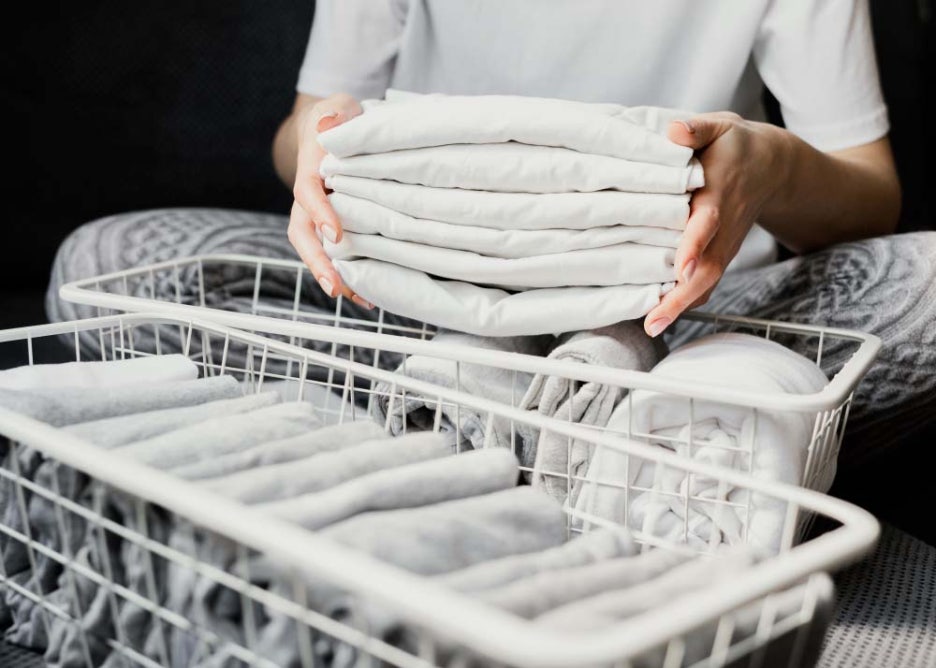
Treatment is important, but it is also important to manage the condition well so that it does not recur. It is good to maintain thorough personal hygiene and dry the skin completely after showering so that moisture does not build up. Wearing cotton clothing and clothing with good breathability is recommended. It is also good to wash clothes frequently to prevent bacterial growth.


 Previous image
Next image
Previous image
Next image