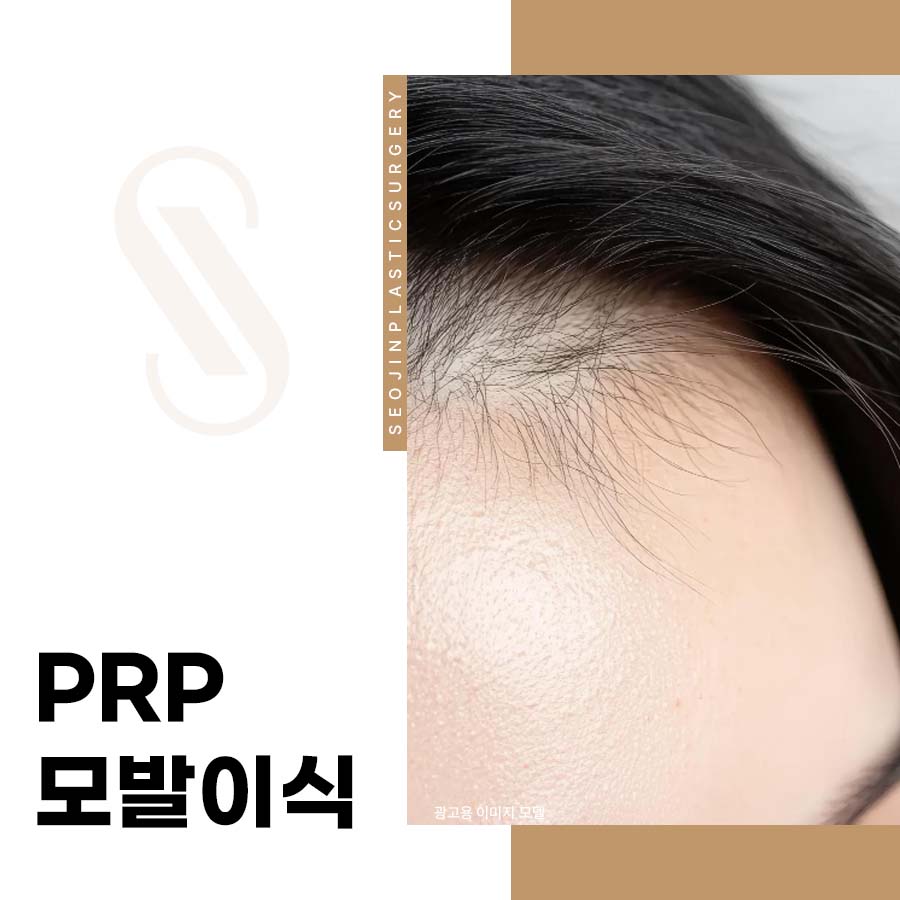
As the age at which hair loss begins has been getting younger, more and more young people are voicing concerns about early hair loss. Hair loss, which was once thought to affect only men, is now occurring quite often in women as well, so it is happening regardless of age or gender. If hair loss appears early during the young years, when social activities are still active, it can also affect interpersonal relationships and weaken psychological confidence.
As a result, interest in hair transplantation as a way to improve hair loss is increasing. Hair transplantation is one of the treatment methods for hair loss, but interest is growing in effective hair transplantation rather than non-surgical methods that take a long time to show results. In addition, when PRP (platelet-rich plasma) is combined with hair transplantation, the graft survival rate can increase, making more effective hair transplant results possible.
What Is PRP Hair Transplantation
The key point of PRP hair transplantation is
that it uses the patient's own blood, allowing nutrients to be supplied stably
without concern about rejection or allergic reactions during transplantation.
PRP refers to platelet-rich plasma, which is made by drawing the patient's blood and then processing it through centrifugation.
In this process, the platelets in the blood are concentrated by 2 to 8 times for use.
It is used to promote tissue recovery and regeneration through growth factors released from platelets, and is used for wound healing and recovery of muscles, ligaments, and joints.
When this PRP is combined with hair transplantation, it can also promote hair growth and help improve the results of the hair transplant.
Advantages of PRP
When PRP is combined with hair transplantation, it can offer various advantages.
First of all, PRP uses the patient's own blood, so the risk of allergic reactions or rejection is low.
In addition, it has the advantages of a short recovery period and the expectation of lasting effects. PRP promotes the body's natural tissue recovery process, shortening the recovery period, and helps reduce pain through natural growth factors while also contributing to long-term pain relief.
✔ PRP Benefits
-
Natural and stable: Uses the patient's own blood, so the risk of allergic reactions and rejection is low.
-
Short recovery period: There is less burden from the procedure, so the recovery period is short. It promotes the body's natural tissue recovery process.
-
Reduced pain burden: Reduces pain through natural growth factors and is effective for long-term pain relief.
PRP Hair Transplantation and Graft Survival Rate
The growth factors contained in PRP can activate follicle cells and stimulate follicle growth. Therefore, when combined with hair transplantation, it can increase the growth rate of transplanted hair and is also expected to raise the graft survival rate. The graft survival rate is an important factor in determining the success of a hair transplant, and a higher graft survival rate is necessary to expect positive results.
The graft survival rate refers to the proportion of transplanted hair that settles and grows after a hair transplant.
When the graft survival rate is high, more of the transplanted hair remains, increasing hair density and allowing for a fuller, more aesthetically pleasing result. A high graft survival rate reduces the need for additional procedures and increases satisfaction, which can help reduce financial and time burdens.
Factors Affecting Graft Survival Rate
-
Transplantation process: During the hair transplantation process, it is necessary to transplant carefully so that the follicles are not damaged.
-
Post-transplant care: The method of care after hair transplantation can affect the graft survival rate. Appropriate follow-up care can help improve the graft survival rate.
-
Skill level: The skill level of the medical staff performing the transplant can also affect the graft survival rate.
Conclusion
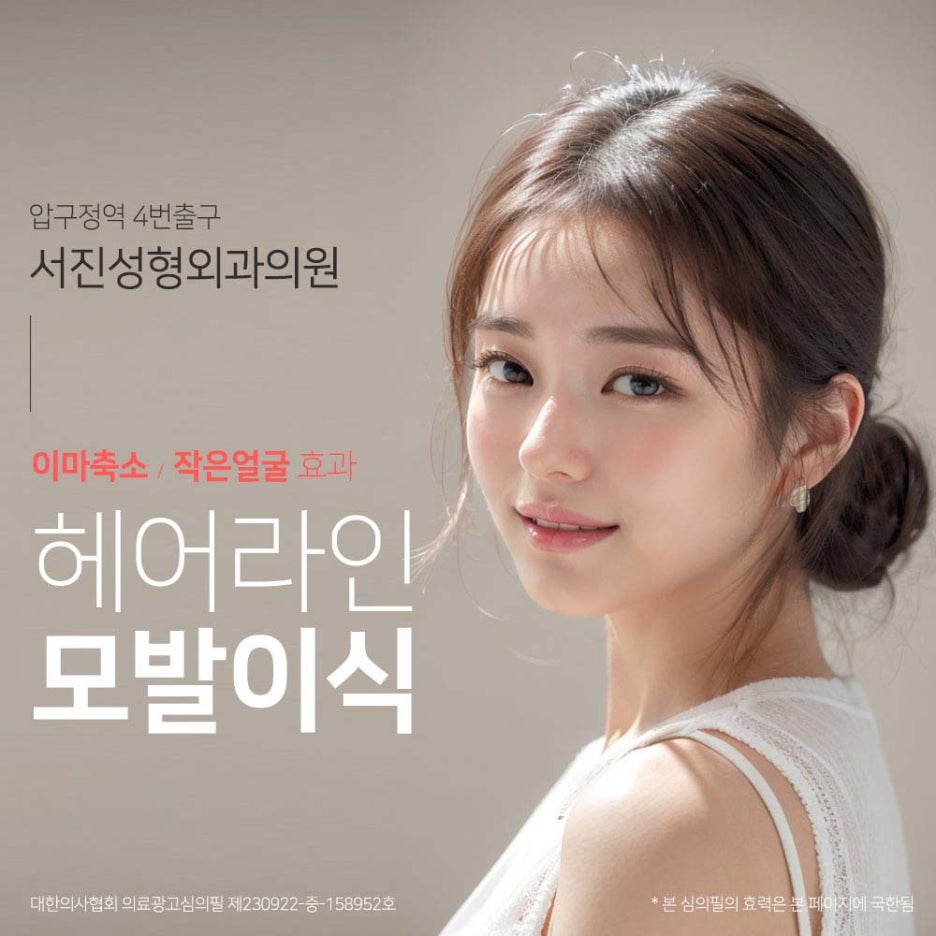
So far, we have looked at PRP hair transplantation and its relationship with graft survival rate.
Nowadays, more and more people are worrying about hair loss due to lifestyle factors regardless of age. If you feel that your hair has become thinner lately, your scalp is itchy, or more than 100 hairs are falling out per day, there is a possibility that hair loss is progressing.
If hair loss is in its early stages, non-surgical hair loss treatment may be worth considering.
In addition to taking hair loss medication, various injection therapies such as PDRN, scalp exosomes, and scalp PRP are mainly used. When PRP (platelet-rich plasma) is combined with hair transplantation, it can help further increase the graft survival rate of the transplant.
It is important to carefully examine the skill level of the medical staff that affects the graft survival rate, as well as post-transplant aftercare, and find the treatment method that is right for you.






 Previous image
Next image
Previous image
Next image