
When warm spring arrives, our clothes become brighter and lighter, and we feel like going outside. But along with the pleasant spring atmosphere comes something else: the attack of pollen.
If your nose runs the moment you go for a walk, or your eyes itch and make you rub them, it could be a symptom of pollen allergy. Today, in the spring season, let’s briefly look at pollen allergy symptoms, the pollen index, and everyday ways to cope with pollen.

Table of contents
-
What are the symptoms of pollen allergy?
-
Pollen index
-
How can you cope with pollen in everyday life?
What are the symptoms of pollen allergy?
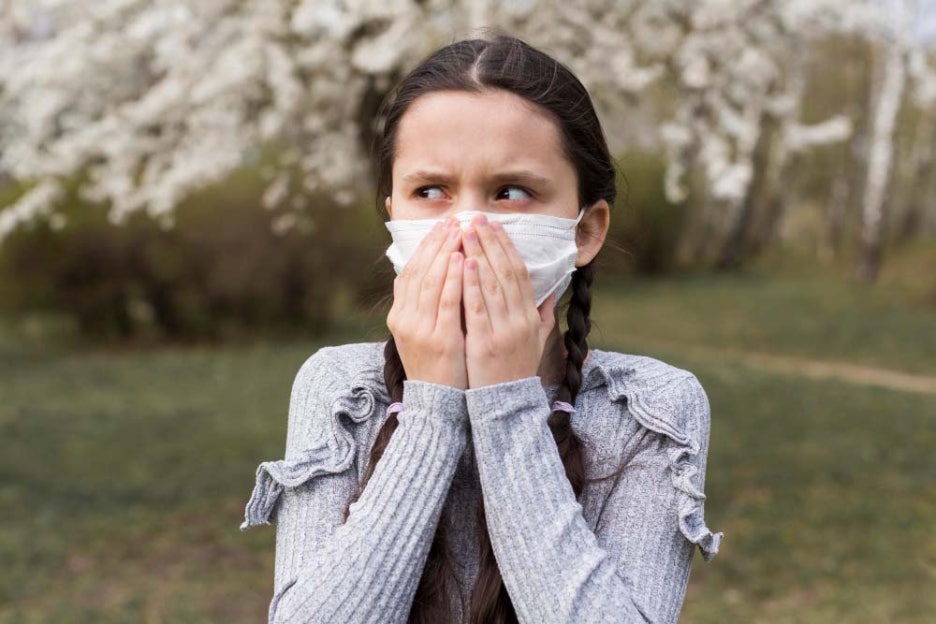
The scent of spring flowers can bring warmth and a pleasant feeling to many people, but the pollen that comes with it can be a concern for those who suffer from allergies.
Pollen allergy is an allergic reaction caused when pollen floating in the air enters the eyes or nose.
The main culprits that cause allergies in spring in Korea include oak, alder, birch, and cedar.
So what symptoms can pollen allergy cause?
If the following apply to you, you may want to suspect pollen allergy.
| Area | Symptoms |
|---|
| Nose | Sneezing, clear runny nose, nasal congestion |
| Eyes | Itching, redness, tearing |
| Throat/Bronchial tubes | Tickling sensation, cough, throat discomfort |
| Skin | In severe cases, skin rash and itching |
| ✅ How can you tell the difference between pollen allergy symptoms and a cold?At times like these, it can be hard to distinguish allergy symptoms from a cold. A good way to tell the difference is to pay attention to whether there is a fever. Pollen allergy can cause severe symptoms even without a fever, and if the symptoms repeat seasonally at specific times of the year, pollen allergy may be suspected. |
Pollen index
On days when the pollen index is high, people with allergy symptoms should be careful.
The pollen index is an indicator that quantifies pollen concentration in the air and shows the likelihood of allergic diseases by stage.
It is mainly provided by the Korea Meteorological Administration and the Ministry of Environment. It predicts concentration by comprehensively analyzing various weather conditions such as temperature, wind speed, rainfall, and humidity, and classifies it into four levels.
| Pollen index | Symptoms | How to respond |
|---|
| Low | Symptoms may appear only in patients with severe pollen allergy. | |
| Moderate | Symptoms may appear even in patients with mild pollen allergy. | Wear sunglasses and a mask when outdoors |
| High | Symptoms may occur in many allergy sufferers, so be careful when doing outdoor activities. | - Wear sunglasses and a mask when going out, and wash your hands and face after returning home - Take a shower before bedtime so pollen does not get on bedding. |
| Very high | Symptoms may occur in almost all pollen allergy patients. | - If you must go বাইরে, wear sunglasses and a mask. - Also, keep windows closed to prevent pollen from entering, and seek medical attention if symptoms worsen. |
How can you cope with pollen in everyday life?
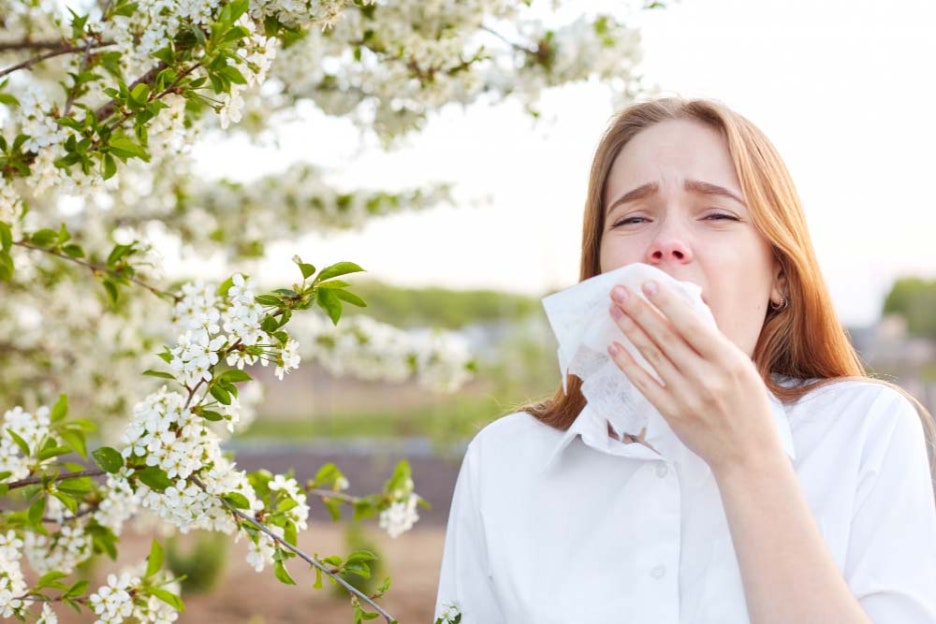
Then, during periods when the pollen index is high, how should you respond in daily life to prepare for pollen? Adjusting your indoor environment and improving your lifestyle habits can help you stay comfortable.
✅ Check before going out!
-
Check the pollen index: On days when the index is high, avoid outdoor activities, and when going out, wear a mask and sunglasses
-
KF80 or higher mask: Wear a mask with a KF80 rating or higher
-
Wear sunglasses and a hat: Wear them to block pollen from getting into your eyes and hair
-
Hairstyle: It is best to tie long hair up or cover it with a hat
✅ How to respond after coming home
-
After going out, shake off pollen immediately outside the door and wash clothing
-
Wash your hair and cleanse your face! This removes pollen from pores and mucosal areas
-
Gently rinsing the inside of the nose with normal saline may make breathing easier
-
Ventilating by opening a window briefly in the early morning or late at night can help
✅ Dietary coping methods
-
Eating fruits and vegetables rich in vitamin C, such as kiwi, strawberries, broccoli, and oranges, can help reduce inflammation
-
Eating plenty of omega-3s from salmon, mackerel, perilla oil, and similar foods may help control allergic reactions
-
It is good to drink enough water. Keeping the mucous membranes moist may make you less reactive to pollen irritation









Previous image
Next image