Appendix Location, Why It Bursts, and Early Symptoms?
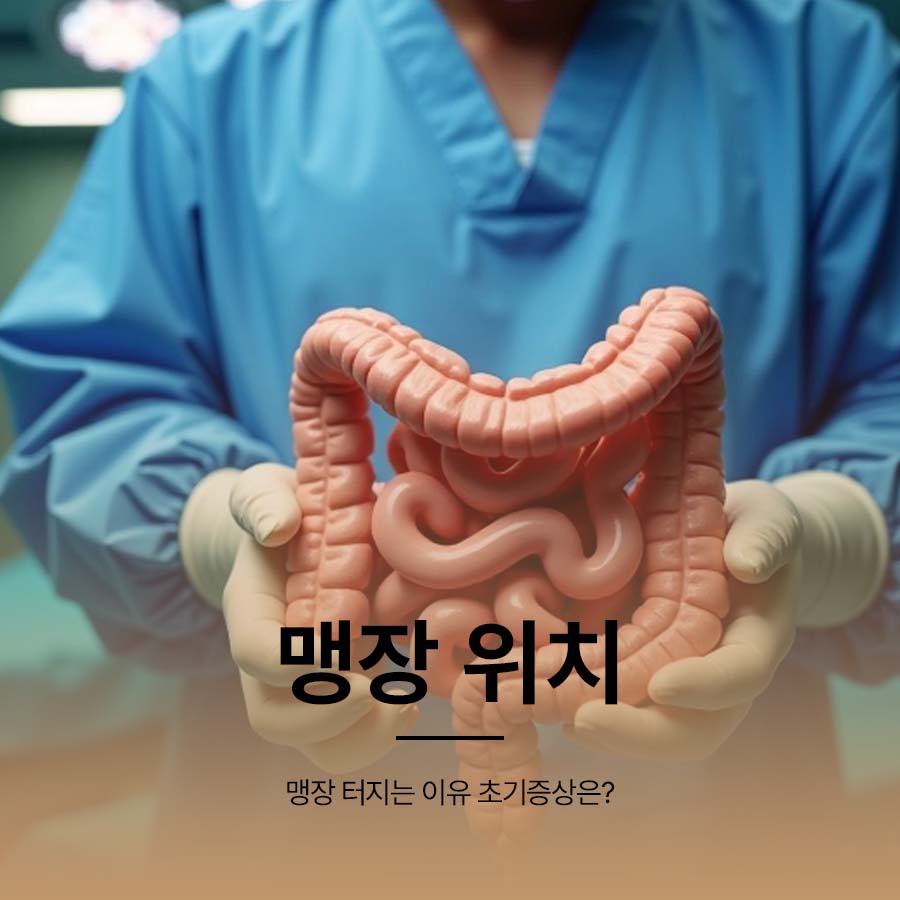
Do you know where the appendix is located? The appendix is a part located in the lower right abdomen. If inflammation occurs there, appendicitis can develop.
One reason the appendix can burst is that its opening becomes blocked by foreign material or stool, increasing internal pressure and allowing bacteria to multiply, which can worsen inflammation. If symptoms get worse, severe pain, fever, vomiting, and other symptoms may occur. Since a burst appendix can be dangerous, diagnosis and treatment of early appendicitis symptoms are important. Today, let’s briefly look at the appendix location, why it bursts, and the early symptoms.
Appendix Location
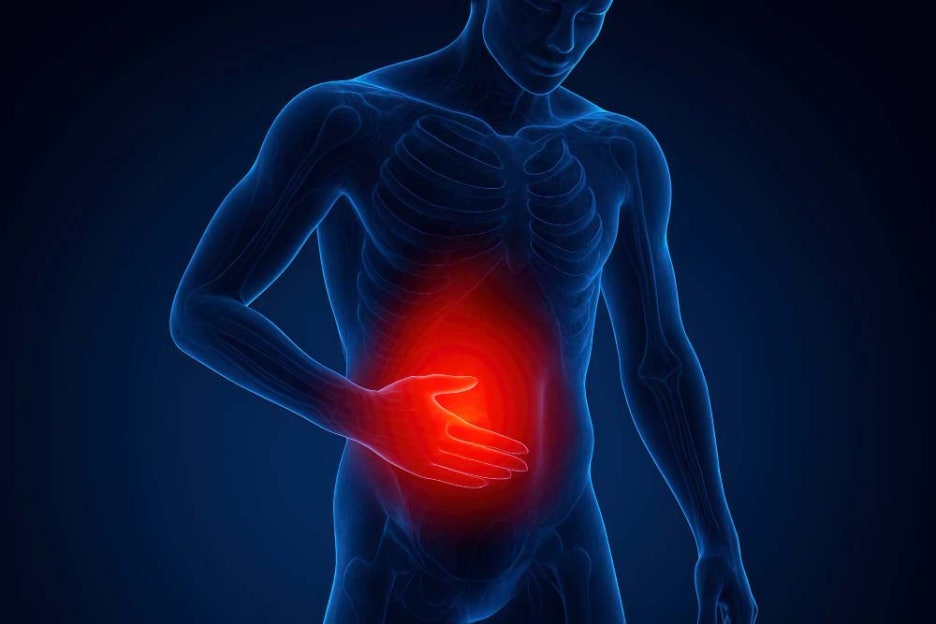
The appendix is located in the lower right abdomen. It is a digestive organ that bulges like a pouch at the beginning of the large intestine. More strictly speaking, a 6 to 9 cm appendage at the start of the large intestine is attached to the end of the cecum.
The appendix functions by absorbing water and salts left in food after digestion and absorption in the small intestine, and by mixing mucus and contents. The condition that occurs most often in this appendix is appendicitis, which most people call “appendicitis” in everyday language.
Why the Appendix Bursts
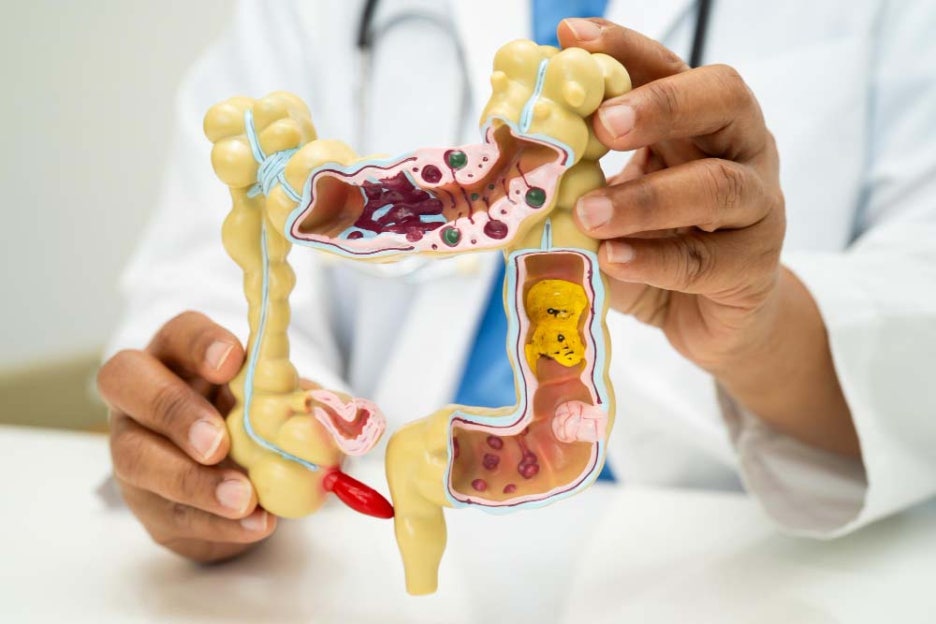
If the appendix bursts, inflammation worsens and symptoms such as abdominal pain may appear.
Reasons the appendix bursts include the end of the appendix being blocked by foreign material, stool, or enlargement of lymphoid tissue, which can cause bacteria inside to multiply rapidly and increase pressure, worsening inflammation. As the inflammation becomes more severe, the appendiceal wall weakens and may burst, which can also lead to serious complications such as peritonitis.
🎯 Main reasons the appendix bursts
✔ Excessive growth of lymphoid tissue
✔ Hard stool flows into the appendix and causes blockage
✔ In rare cases, foreign objects, parasites, and tumors can also be causes
✔ Bacterial growth: as the opening becomes blocked, E. coli can multiply inside the appendix and increase internal pressure.
✔ Although rare, irregular eating habits and stress may affect immunity, causing the appendix opening to become blocked and leading to rupture.
Early Symptoms of Appendicitis

It is important to treat appendicitis when early symptoms appear. This is because if early appendicitis symptoms are not treated quickly, the risk of the appendix bursting increases.
Common early symptoms of appendicitis may begin with symptoms similar to gastroenteritis, such as indigestion and abdominal pain.
So it can be difficult to notice. In the early stage, the pain may start around the upper abdomen or near the navel, and then later move to the lower right abdomen.
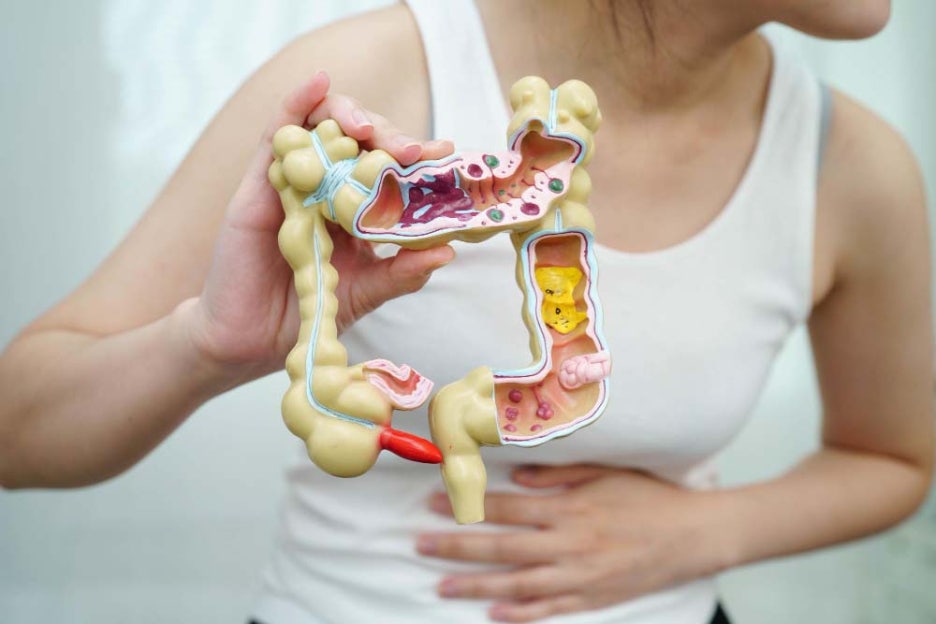
If abdominal pain continues or if it feels like the pain is concentrated in the lower right abdomen, it is advisable to undergo a detailed examination at a medical institution.
✔ Most patients with appendicitis complain of abdominal pain
✔ In the early stage, it may begin vaguely at the tip of the upper abdomen or around the navel
✔ As time passes, the pain typically gradually moves to the lower right abdomen
✔ Depending on the location of the appendix, discomfort may be felt on the right side of the abdomen or above the pubic bone
✔ Indigestion, bloating, and loss of appetite may also commonly occur.
✔ Tenderness, where pain worsens when pressing on the abdomen, may also appear.
Early Diagnosis of Appendicitis Is Important

So far, we have looked at the appendix location, why the appendix bursts, and the early symptoms of appendicitis. Early diagnosis and prompt treatment are important for appendicitis. If appendicitis, or inflammation of the appendix, is left untreated, the inflammation can become severe, the wall can weaken, and perforation, as well as pus and bacteria, can spread into the abdominal cavity.
This can lead to life-threatening complications such as peritonitis and sepsis. If treated early, most people can return to daily life quickly, so if unusual symptoms are felt, it is advisable to receive appropriate treatment at a medical institution.








 Previous image
Next image
Previous image
Next image