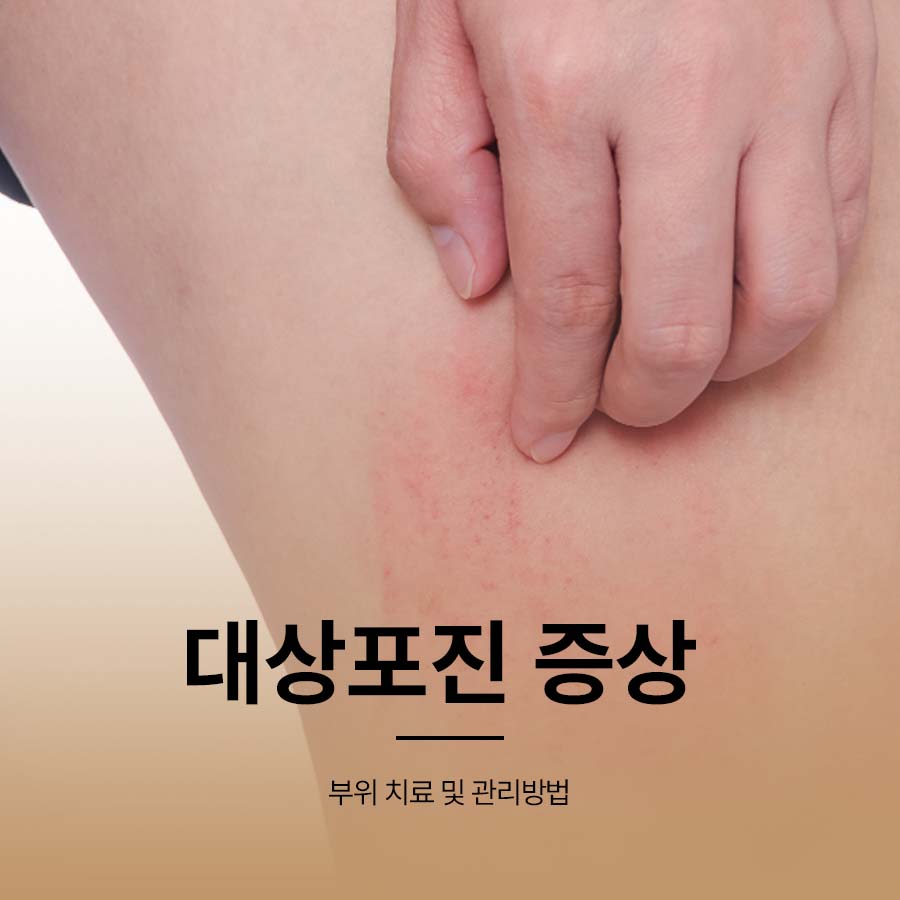
Have you ever had shingles symptoms? Shingles is a condition that causes a band-like rash and pain along the nerves in the body. It typically appears on one side of the body, such as the torso, face, arms, or legs, so it can often be seen with the naked eye.
It is characterized by occurring when immunity is weakened, so it is advisable to receive early treatment and maintain consistent management to prevent recurrence. Today, let’s briefly look at early shingles symptoms, shingles treatment methods, and shingles management methods.
Shingles Symptoms
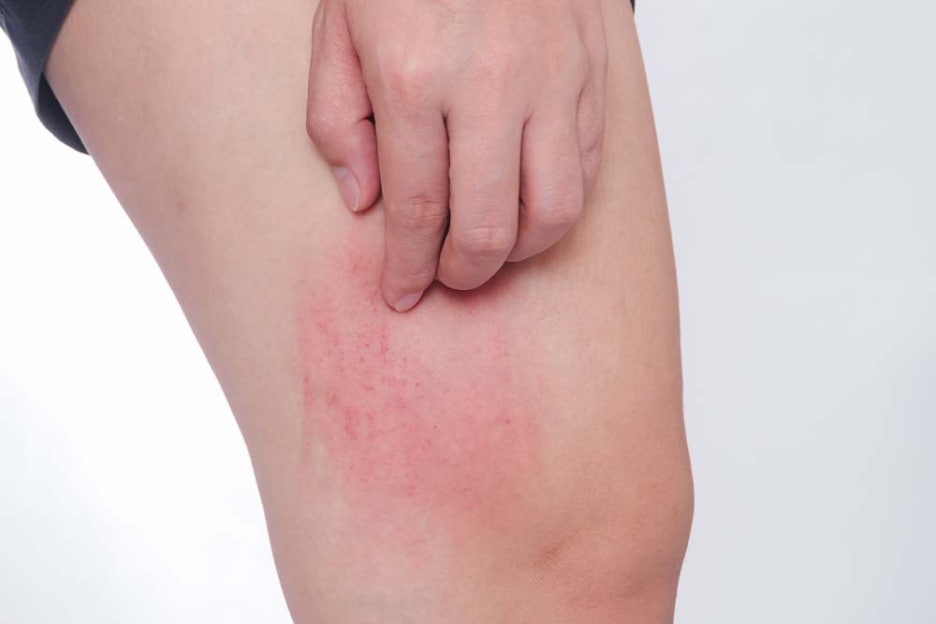
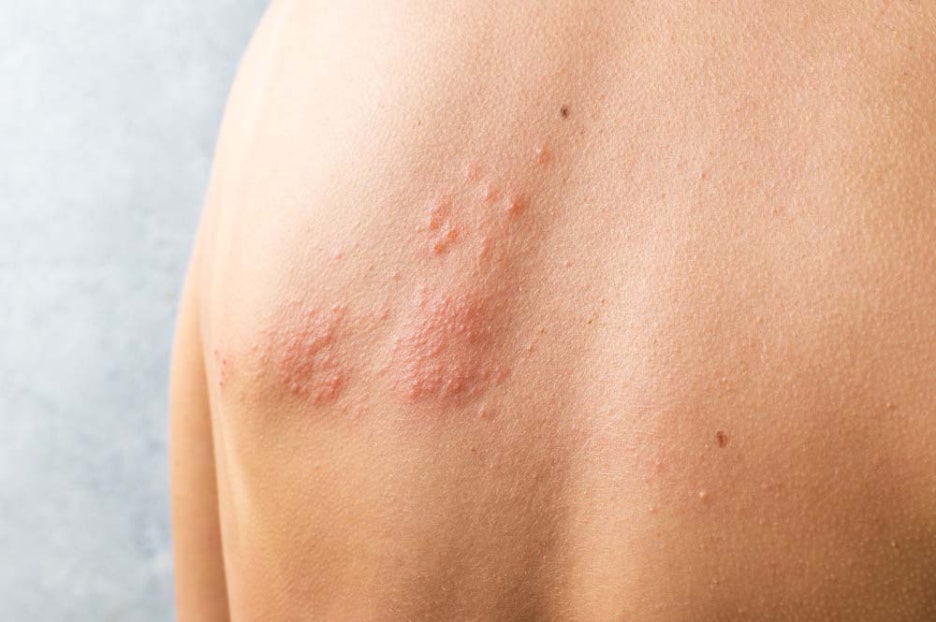
The most commonly known shingles symptom is a skin rash that appears on one side. It appears in a band-like pattern on one side and can cause pain. Blisters appear, and in the early stage, sensory abnormalities and severe pain are characteristic. Since there are also cases of shingles without a rash, if you have suspicious symptoms, it is advisable to seek medical care promptly.
✔ Early stage: skin discomfort, sensory abnormalities, and pain on one side of the body. There may be a tingling or sharp pain sensation.
✔ After 3–4 days: band-like rash, blisters, and vesicles. In severe cases, ulcers and scars may occur. The blisters appear in clusters.
✔ Systemic symptoms: In rare cases, it may be accompanied by systemic symptoms such as fever, headache, and fatigue.
✔ In rare cases, some patients may have pain only without a rash, or blisters only without pain.
If response to shingles symptoms is delayed, pain may continue for several months to several years even after shingles treatment. This is called "postherpetic neuralgia" and can greatly reduce quality of daily life.
Where does shingles occur?
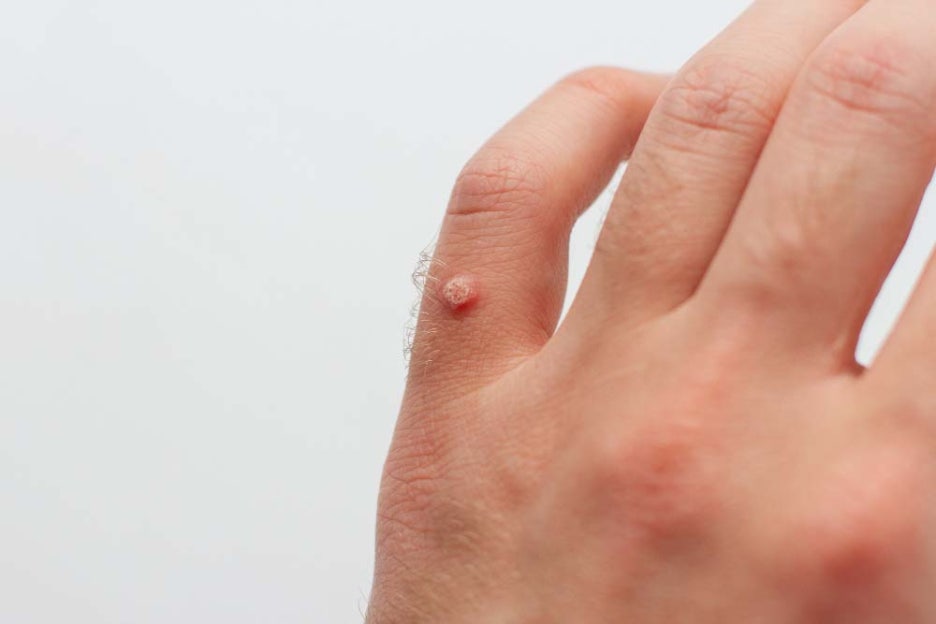
Then where do shingles symptoms appear?
The main areas where shingles occurs are the torso, face, arms, and legs—areas where nerves are distributed.
In most cases, it is limited to one side of the body, and it often appears on the torso. It can also appear along the nerves in the arms, legs, and face.
🔍 Common areas of occurrence: nerve areas distributed along the spine, such as the chest, back, waist, neck, and buttocks
🔍 Facial area: It can also appear on the face. It may occur on the forehead, eyes, cheeks, and other facial nerves, as well as the nerves around the eyes.
💡 If shingles occurs around the eyes, it can lead to serious complications such as corneal damage, so prompt action is needed.
What are the treatment methods for shingles?

The main treatment for shingles is taking antiviral medication.
Antiviral drugs such as acyclovir, valacyclovir, and famciclovir are commonly used.
Antiviral medication should be taken within 3 days after the rash appears for it to be effective.
The earlier shingles treatment methods are applied, the more the risk of postherpetic neuralgia can be reduced. The dosage methods according to antiviral medication are as follows.
🔍 Acyclovir: 800 mg, 5 times a day, for 7 days
🔍 Valacyclovir: 1000 mg, 3 times a day, for 7 days
🔍 Famciclovir: 250–500 mg, 3 times a day for 7 days
Pain relievers such as acetaminophen and tramadol may be taken to reduce pain, and topical creams such as lidocaine may also be used.
For patients with severe symptoms, more active pain treatment such as nerve block therapy may be necessary. Postherpetic neuralgia can occur more easily in older adults, so it is advisable to receive active treatment early.
Shingles management methods

So far, we have looked at shingles treatment methods. To prevent recurrence, shingles management methods are important. It is good to manage the body’s immunity sufficiently through enough rest, hydration, and stress management. To prevent secondary bacterial infection, it is best to wash your hands frequently and be careful not to scratch or pop the blisters.
✔ People aged 50 and older or those with weak immunity should get vaccinated.
✔ If symptoms appear in special areas such as the eyes, ears, or mouth, it is best to seek medical attention quickly.
✔ Overwork, excessive stress, drinking, and smoking reduce immunity and increase the risk of shingles recurrence, so be careful.
✔ Take medicine consistently at the prescribed time and do not stop arbitrarily.
✔ Maintain immunity and help the body recover through sufficient rest and sleep habits.
✔ Keep blister and vesicle areas clean and dry at all times.
✔ Do not share personal hygiene items such as towels and clothing with family or acquaintances to prevent transmission.








 Previous image
Next image
Previous image
Next image