
Have you ever tried wild raspberries? The season for these red jewels of the forest has come around again this year! Wild raspberries are popular with many people because they are sweet and tart and have a distinctive aroma. They also have a slightly astringent taste, but their fresh juice and sweet-tart flavor are part of what makes wild raspberries so enjoyable.
These wild raspberries are rich in vitamins, minerals, and antioxidants, offering a range of health benefits, from supporting the immune system to other health-related effects. Today, let’s look at the benefits of wild raspberries and briefly go over their peak season and how to wash them.
Health benefits packed into these small berries
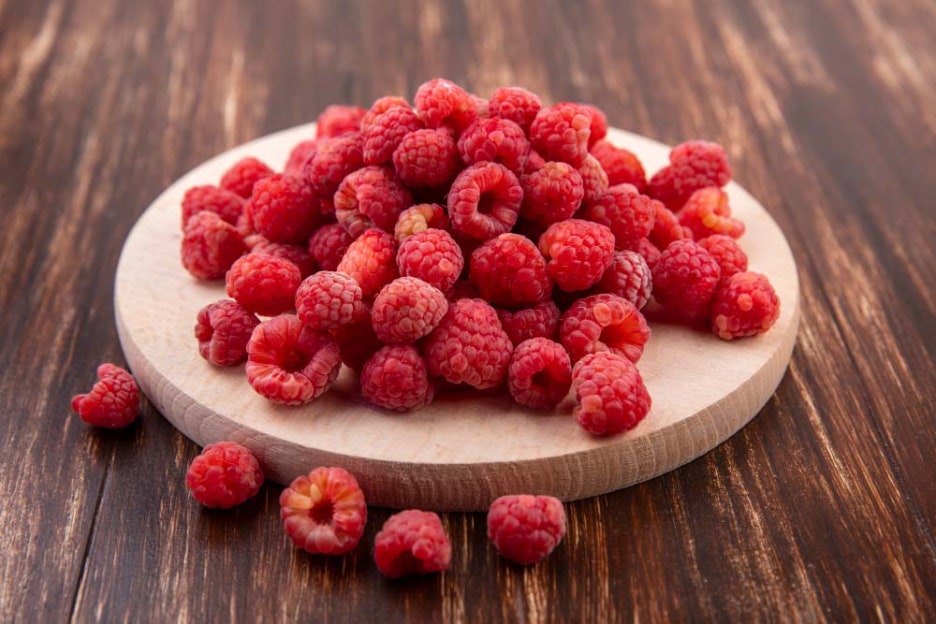
Wild raspberries contain a variety of nutrients your body needs. Thanks to their abundant antioxidants, they may help strengthen the immune system and support skin health. What health benefits are packed into these small berries?
- Removing free radicals
Wild raspberries contain many antioxidant compounds, including anthocyanins, ellagic acid, and vitamin C. By helping remove free radicals, they may help prevent cell damage and delay aging.
- Supporting vascular health
The benefits of wild raspberries may also help support vascular health. Their abundant antioxidants may help prevent waste buildup in blood vessels and support elasticity, which can help blood circulation flow more smoothly. They may help prevent cardiovascular diseases such as high blood pressure and arteriosclerosis.
- Dieting and beauty
Wild raspberries are low in calories and high in dietary fiber, so they can help you feel full. For people managing their diet while trying to lose weight, they may help with dietary control. In addition, their rich vitamin C content may help remove free radicals that cause skin aging and promote collagen production, helping maintain skin elasticity and improve skin tone.
- Strengthening the immune system
Their abundant vitamin C may also contribute to immune support. If you want to take care of your immune system, pay attention to the benefits of wild raspberries as well.
Wild raspberry peak season, enjoy them now!
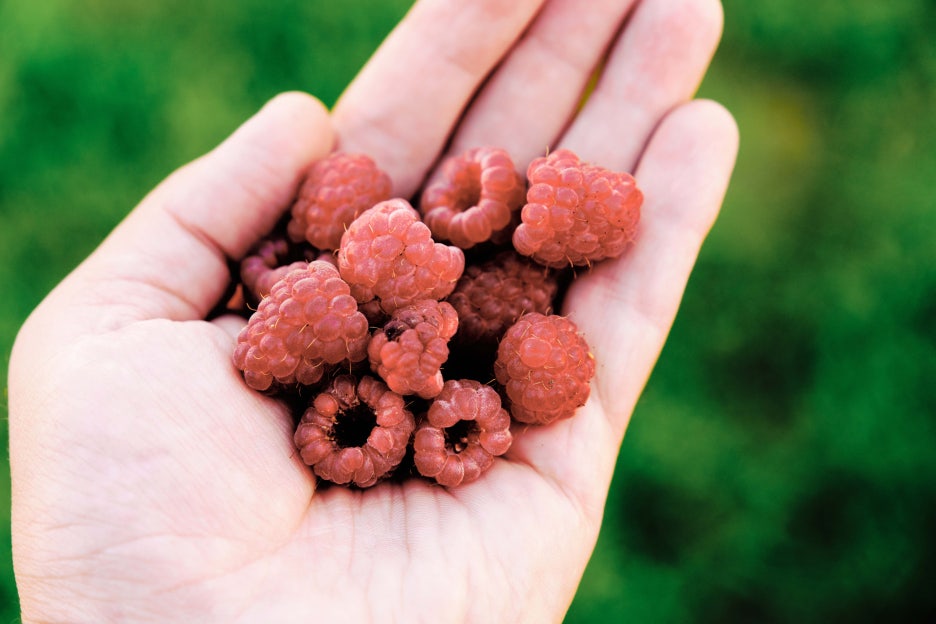
So far, we’ve looked at the health benefits of wild raspberries. Their peak season is usually from late May to early July. In particular, June is when wild raspberries are harvested most abundantly.
During this period, wild raspberries are full of flavor and nutrition, making them even more enjoyable. They are commonly found at markets and supermarkets, and while they can be eaten plain, they are also widely used in salads and desserts. If you want to choose delicious wild raspberries during peak season, use the following as a guide!
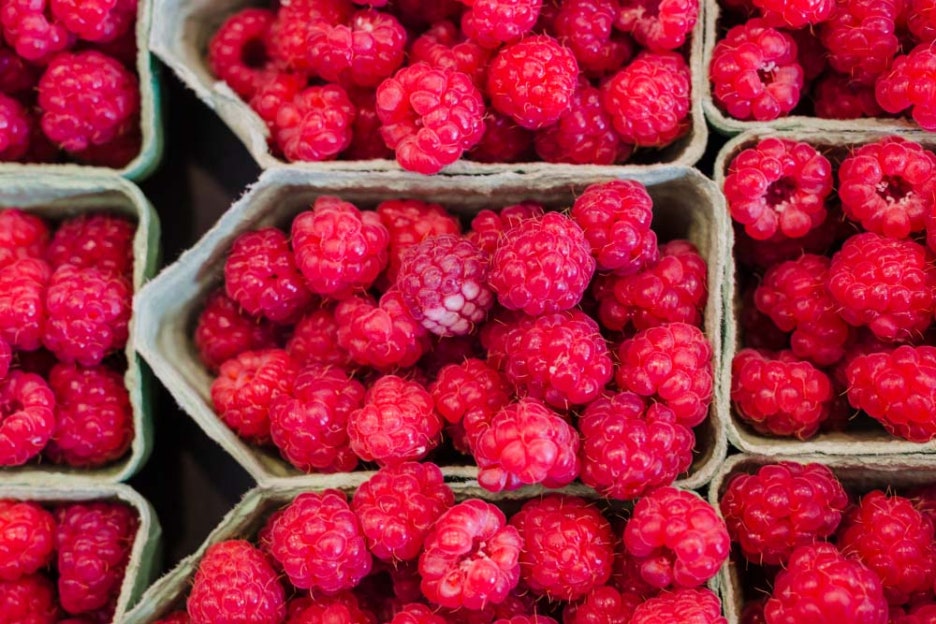
🍓 How do you choose fresh wild raspberries?
-
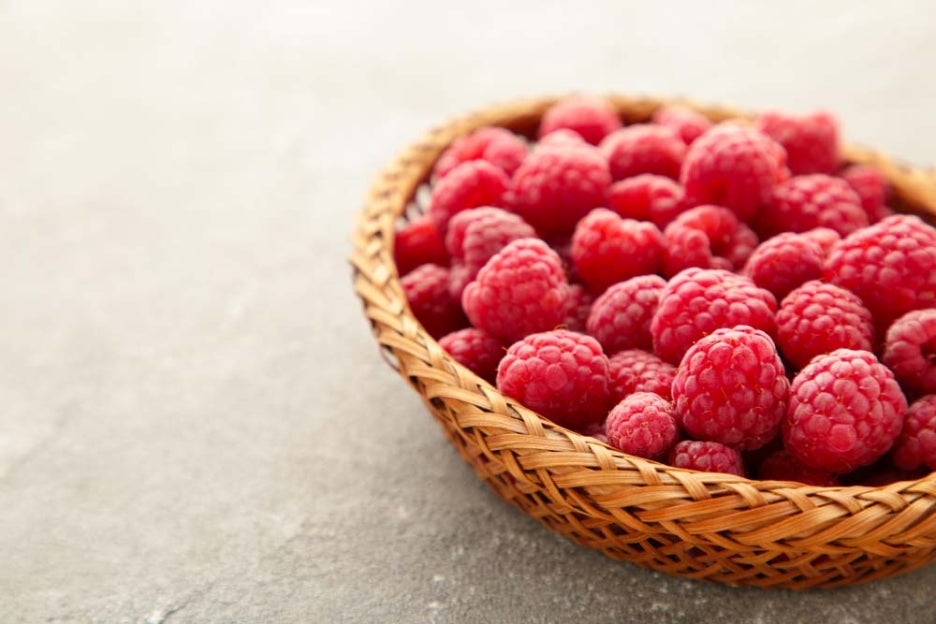
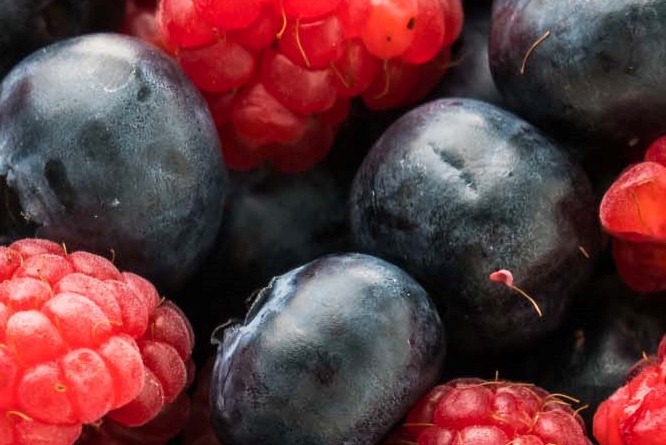
Color: A bright, glossy red color is best. The closer they are to a dark red, the more ripe they are.
-
Shape: The berries should be plump and not crushed together!
-
Stem: It is best to choose berries with stems that are not dried out and still look fresh.
-
Condition: It is best to choose berries that do not have mold or have become soft.
Let’s learn how to wash wild raspberries!
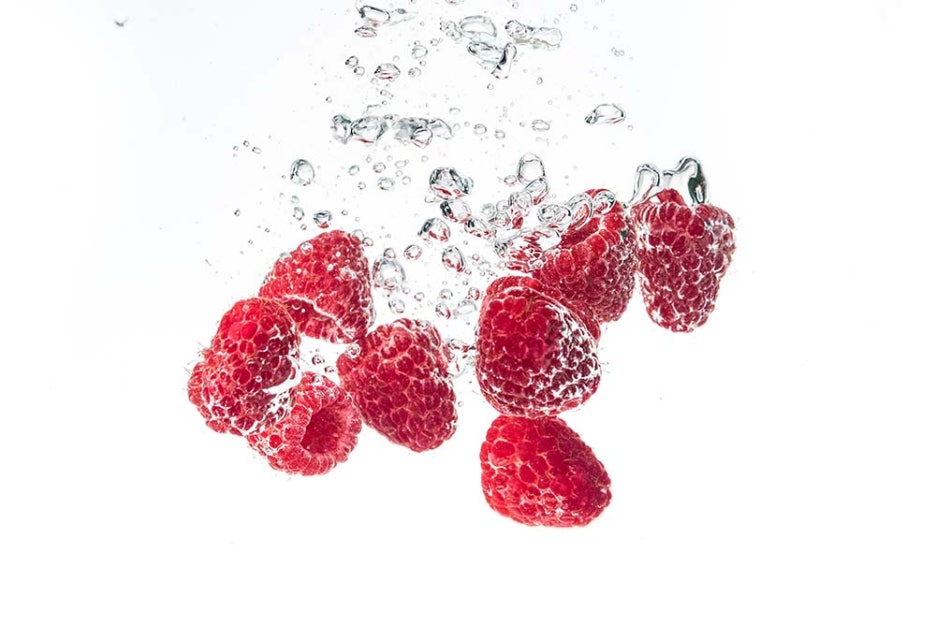
So far, we’ve looked at the peak season for wild raspberries. Because wild raspberries are easy to bruise, it is best to wash them carefully. If they are washed improperly, they can quickly become soft and lose nutrients. Protect both their flavor and nutrition with the proper washing method!
🍓 How to wash wild raspberries
Wild raspberries can easily become soft if they are washed too strongly under running water or soaked for too long. Therefore, it is best to wash them quickly and gently in water.
-
Preparation: Fill a wide bowl with cold water and carefully place the wild raspberries in it.
-
Soak them in water for about 1 to 2 minutes so dirt and foreign matter can naturally fall off. Gently swishing them around helps remove impurities.
-
You can clean them more thoroughly using vinegar water, baking soda, or salt water.
-
Vinegar water: Mix 2 to 3 tablespoons of vinegar into 1 L of cold water, dilute it, and then soak the wild raspberries for about 30 seconds before removing them. This can provide a sterilizing effect.
-
Baking soda: Dissolve 1 tablespoon of baking soda in cold water, then soak the wild raspberries for about 30 seconds before removing them.
-
Salt water: Another method is to briefly soak them in water with a very small amount of salt dissolved in it.
- Rinsing: Place them in a strainer and lightly rinse under running water for about 10 to 20 seconds. It is best not to use a strong stream of water.
After washing, it is best to spread the wild raspberries out on paper towels without overlapping so that all moisture is removed completely.
If moisture remains, they can easily become soft or moldy. After that, store them in an airtight container or a zip-top bag in the refrigerator, and it is best to eat them within 2 to 3 days.




 Previous image
Next image
Previous image
Next image