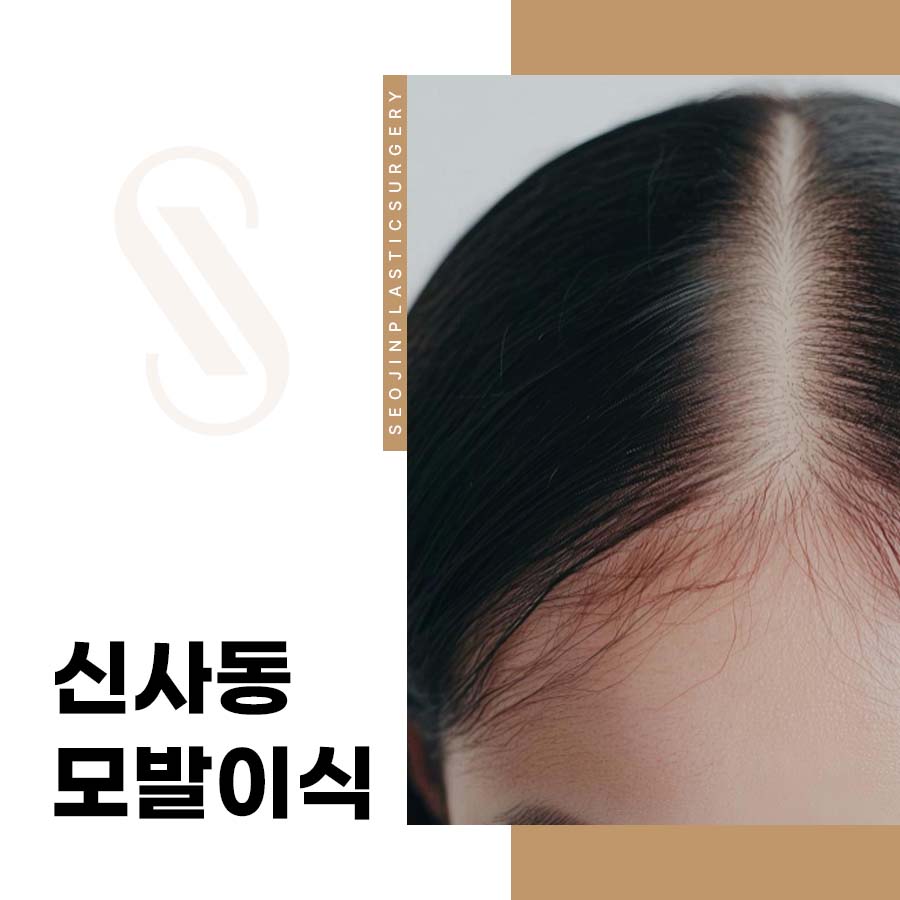
"A forehead that keeps getting wider," "a crown that is becoming thinner," "a scalp that somehow looks sparse."
Do these kinds of concerns feel familiar rather than like someone else's problem? If so, you may want to consider hair loss. Hair loss has become a concern for many modern people today. As a way to improve this concern, hair transplant methods are drawing attention.
A hair transplant improves hair loss by transplanting hair from the back of the head to the area affected by hair loss, and the survival rate is important. It is an indicator of how well the transplanted hair has taken root in the transplant area. The higher this survival rate is, the higher the retention rate of the hair after the transplant.

For a natural-looking hair transplant method, it is good to pay attention to that survival rate.
If you want a natural-looking hair transplant, it is best to focus on methods and care with a high survival rate. Today, we will briefly look at the non-incisional, no-shave, no-cut method and PRP hair transplantation, which can help those who want a natural-looking hair transplant.
A natural-looking hair transplant method: non-incisional, no-shave, no-cut

Many people are interested in hair transplantation as a way to improve hair loss because it can offer more effective improvement compared to medication and lifestyle management. Although it takes time for hair to grow back after transplantation, it can relatively provide noticeable improvement.
The Sinsa-dong hair transplant method can be divided into incisional and non-incisional methods depending on the transplant technique, but the "non-incisional, no-shave, no-cut" method is reportedly attracting attention, especially among those who want a natural style.
The non-incisional, no-shave, no-cut method is a technique in which follicles are individually harvested directly using a punch device or similar tool and then transplanted, without the burden of an incision.
Compared to the incisional method, there is less concern about scarring, but the procedure tends to take longer. Because follicles are transplanted one by one, it has the advantage of looking natural when styling hair, but it is not suitable for those who need a large-volume transplant.
Why is the survival rate important?

A hair transplant that allows natural styling is important, but it is also important that the transplanted hair remains well established.
What you need to pay attention to here is the "survival rate." No matter how many hairs are transplanted, if the survival rate is low, the result may be less than expected.
Therefore, when undergoing a hair transplant, it is good to use methods and care that can increase the survival rate.
The survival rate can vary depending on the hair transplant method, the medical team's skill, the storage condition of the follicles, and the patient's post-procedure care after the transplant.
In particular, once follicles are outside the scalp, they can be damaged as oxygen and nutrient supply is cut off. To reduce the risk of damage to the harvested follicles and help them settle into the transplanted area, providing nutrients again can be beneficial.
PRP hair transplantation method

That is why PRP hair transplantation is drawing attention as a way to increase the survival rate.
PRP hair transplantation is a method in which the patient's blood is drawn, then separated through a centrifugation process to isolate platelet-rich plasma for use.
It can be expected to help improve the survival rate and growth effects of hair transplantation. After the platelet-rich plasma is separated, it is administered by injection into the transplant area or the scalp.
The abundant growth factors in PRP can promote angiogenesis and help cell regeneration and activation, which may increase follicle survival and help improve the survival rate. It may also help control inflammatory responses, support stable follicle settlement, and promote hair growth, which can help increase overall hair density.
For a natural-looking hair transplant?
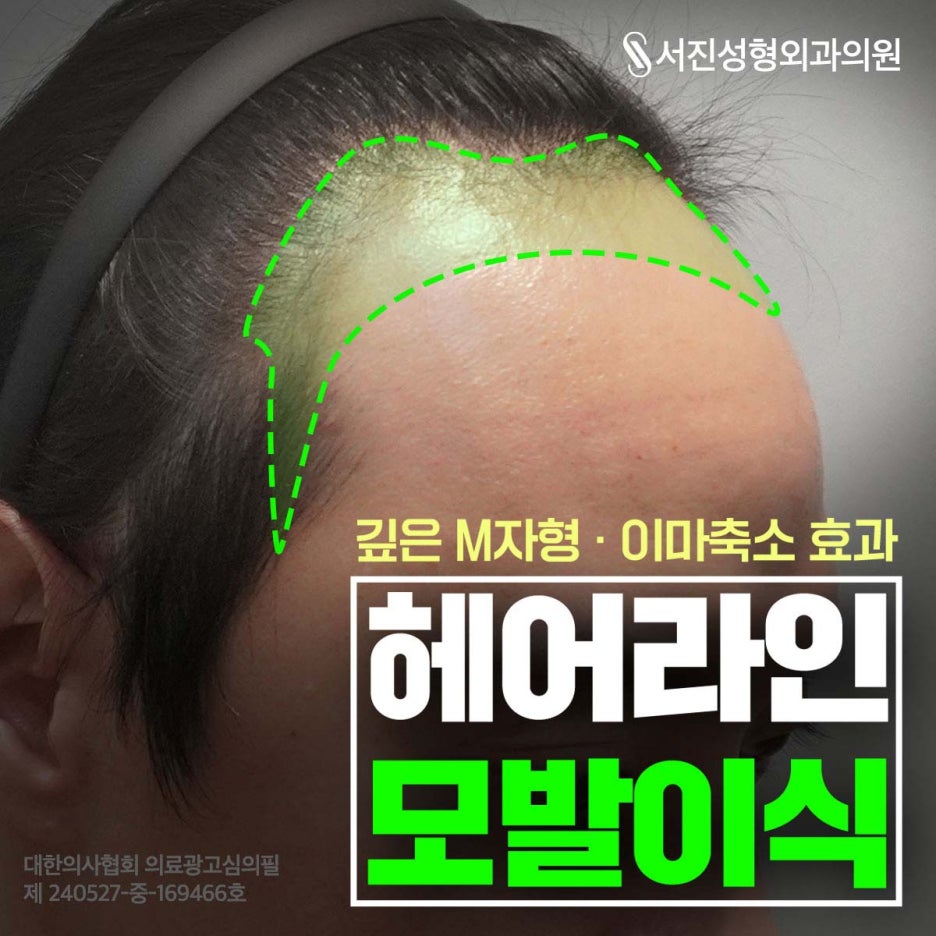
So far, we have looked at Sinsa-dong hair transplantation, the non-incisional, no-shave, no-cut method, and the PRP hair transplantation method that can help increase the survival rate.
If you are currently considering hair transplantation as a way to improve hair loss, it is a good idea to carefully check whether the medical institution can increase the survival rate.
In particular, with hair transplantation, the follicle damage rate and the precision of transplantation can vary depending on the surgeon's experience and technique, and this can also affect the survival rate. It is best to have the procedure carried out according to a hair transplant plan suited to your condition by a medical team with extensive experience.
You should also check whether post-procedure care is properly provided to help follicles take root after transplantation. This can also help support long-term hair health after the procedure.
For a hair transplant that looks natural, the method matters, but the survival rate also needs to be considered. The roughly two weeks after the hair transplant are the most important period for taking root, so it is advisable to follow the medical team's instructions and carry out post-procedure care carefully.




Previous image
Next image