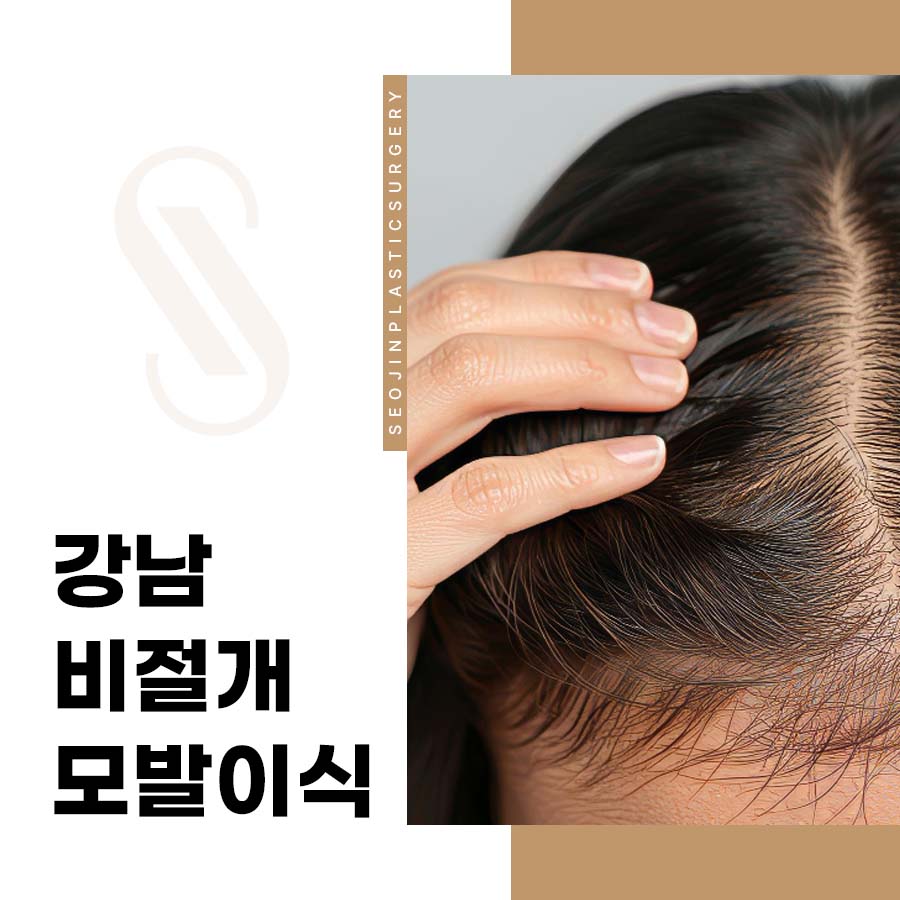
Concerns about hair loss are no longer limited by age or gender. Due to changes in lifestyle habits and the accumulation of stress, more and more younger people and women are also worrying about hair loss.
If hair loss is not addressed, it can continue to progress and worsen. It is not just hair that falls out; it is also linked to appearance, which can cause severe stress and create a vicious cycle.
To improve this kind of hair loss, there are also many people considering hair transplantation.
Hair transplantation can be broadly divided into non-incisional and incisional methods. Rather than saying one method is better, the appropriate method depends on the individual’s degree of hair loss. Today, let’s briefly look at how to choose between Gangnam non-incisional hair transplantation and incisional hair transplantation.
- Incisional Hair Transplantation
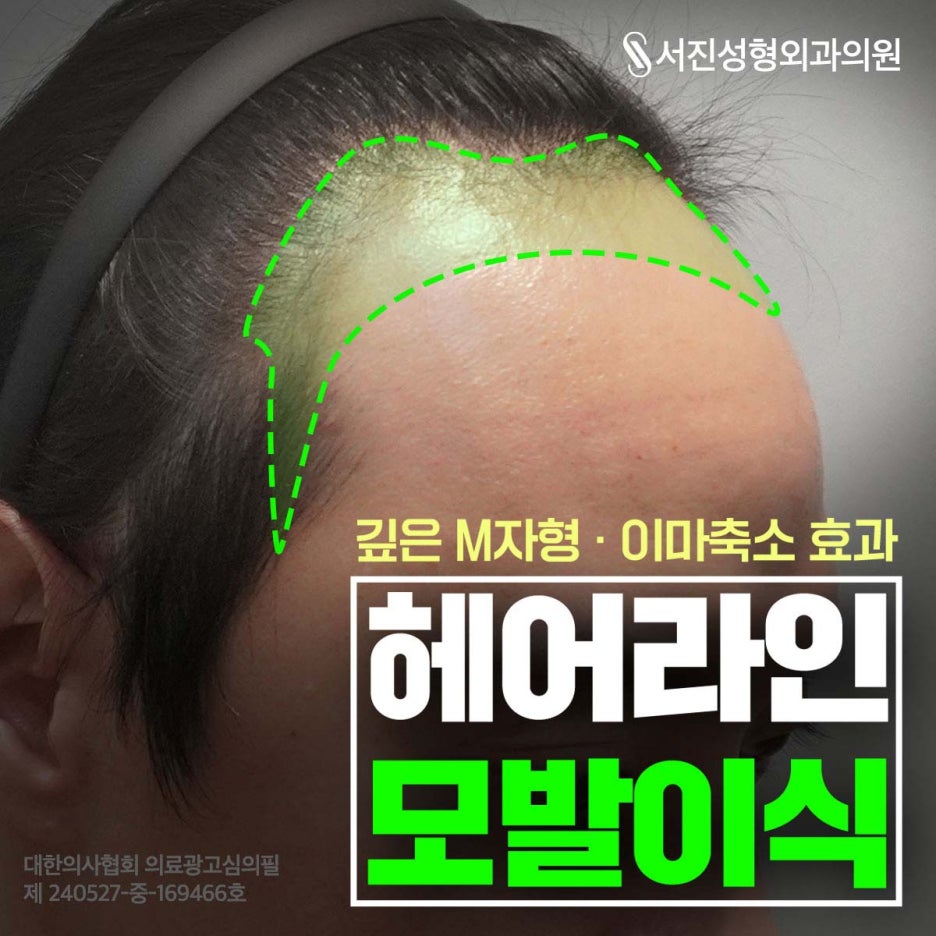
Hair transplantation can be broadly divided into incisional and non-incisional methods. It is also called the “incisional method.”
This method removes an area of scalp equal to the number of follicles needed and then sutures it.
Because it involves the burden of an incision, recovery tends to be slower than with the non-incisional method, and the burden of bleeding must also be considered. Since a certain area of hair is harvested together with the skin and transplanted in one session, the transplant time is short, but the burden of pain and scarring can be greater.

🚀 Key Features
-
A large number of follicles can be transplanted at once: large-volume transplantation of 3,000 to 4,000 hairs or more is possible.
-
Compared with the non-incisional method, the transplantation time is shorter, and the cost burden is relatively lower.
-
Because follicles are separated after being removed from the scalp, a low damage rate and a high survival rate can be expected.
-
As a method that has been used for a long time, it has advantages such as a high survival rate, efficiency, and cost-effectiveness.
-
However, there is the burden of a linear scar, and there may be discomfort due to the incision. If you wear a short hairstyle, the scar may be exposed.
- Non-Incisional Hair Transplantation

On the other hand, as the name suggests, non-incisional hair transplantation is a method that does not involve an incision.
It involves individually extracting follicles one by one from the back of the head with a punch device and transplanting them. Since only the follicles are harvested without cutting the scalp, the advantages are a lower burden of scarring and bleeding.
Accordingly, recovery can be expected to be relatively faster, and a more natural return to daily life can be expected.
Non-incisional procedures can again be performed in different ways depending on the method, such as line cut and no-shave non-incisional no-cut.
🚀 Key Features
-
Line-cut hair transplantation: This method preserves the advantages of the non-incisional approach while compensating for its disadvantage, the box cut. By harvesting in a thin strip-like pattern with spacing, it may not be noticeable even after hair transplantation. The follicles are harvested after shaving in a line shape about 1 cm wide.
-
No-shave non-incisional no-cut hair transplantation: Follicles are harvested one by one as they are, without the burden of shaving, making natural daily life possible.
-
Unlike the incisional method, there is less concern about scarring, so you can freely wear short hairstyles.
-
Because follicles are individually harvested and transplanted, a more natural appearance can be expected.
-
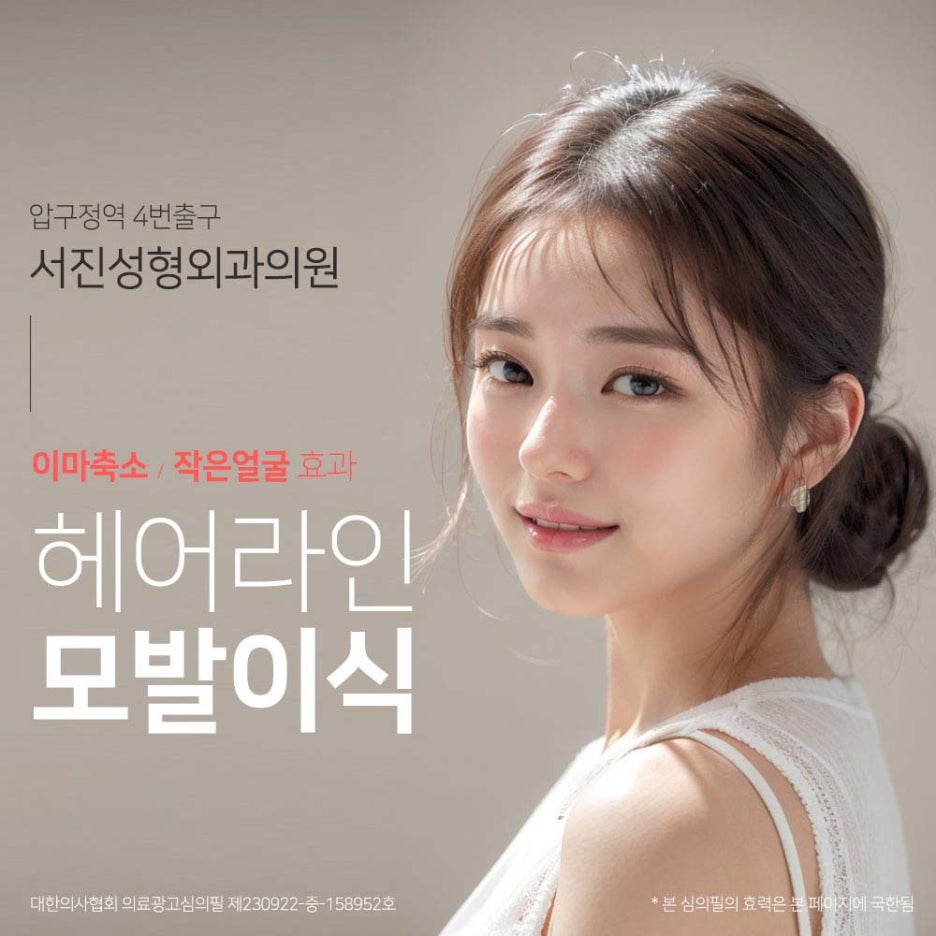
It can also be considered for cosmetic purposes such as hairline correction and forehead reduction, or as a method to cover scars.
-
However, because the follicles are harvested individually, the density of hair in the back of the head may decrease, and it may be insufficient if the area of hair loss is wide.
- What Are the Criteria for Choosing Between Non-Incisional vs Incisional Hair Transplantation in Gangnam?
Then, when choosing between Gangnam non-incisional vs incisional hair transplantation, what criteria are desirable?
First of all, hair transplantation is basically performed by harvesting hair from the back of the head and transplanting it to the area affected by hair loss, so it is desirable to proceed with the method that is advantageous according to each individual’s condition.
Therefore, it is preferable to receive improvement through the method that is appropriate for you from medical staff with abundant experience in both methods.
In general, many people prefer the non-incisional method because it does not involve the burden of an incision, but it is not possible for everyone. For those who need a large-volume follicle transplant, the incisional method may be a more suitable direction because, although it carries the burden of scarring compared with the non-incisional method, it allows a larger amount of transplantation.
What matters is that the procedure is performed with the method appropriate for your hair loss condition.
Also, since the survival rate is important in hair transplantation, it is desirable to find the method that suits you at a medical institution that has various preparations in place to increase the survival rate.
Non-incisional hair transplantation is a preferred method for many people worried about hair loss because it places less burden on scarring and allows easier recovery.
However, there are points to consider such as cost, time required, and the density of the back of the head, so after 충분한 consultation, please find the method that is appropriate for you by considering your scalp condition, lifestyle, and budget.









Previous image
Next image