During these hot days, when it is easy to feel drained, the balance in your body can be thrown off easily, and fatigue can build up more quickly, right?
The more stimulating foods we eat and the more fluid we lose during the summer, the more sensitive our bodies become to even small nutrients.
That is why there is a mineral you should be sure to pay attention to.
If you often get skin troubles or feel tired easily, it may help to focus on the benefits of zinc.
Today, let’s take a close look at the benefits of zinc, which can support everything from immunity to men's health, along with the symptoms that may appear when you are deficient,
and how to take it!
✅ What this mineral does in our body
Although the body needs only a small amount of this substance, its role is absolutely essential.
Its main functions include cell division, protein synthesis, immune regulation, and enzyme activation,
and it can play an especially important role in skin recovery and maintaining resistance.
For adolescents in the growth stage, it is essential for supporting development, and for adults, it can help keep the body’s overall rhythm stable.
✅ Key functions: immune support, wound healing, hormone regulation, and men's health
The benefits of zinc are most widely known for helping strengthen immunity.
It may have a positive effect not only on infection prevention, but also on the speed of wound recovery and relief of skin troubles.
It is also a nutrient involved in sperm formation and testosterone production in relation to men's health, so it is drawing attention for vitality management as well.
In addition, it may be involved in overall metabolism, including blood sugar regulation, insulin action, and control of oxidative stress related to aging.

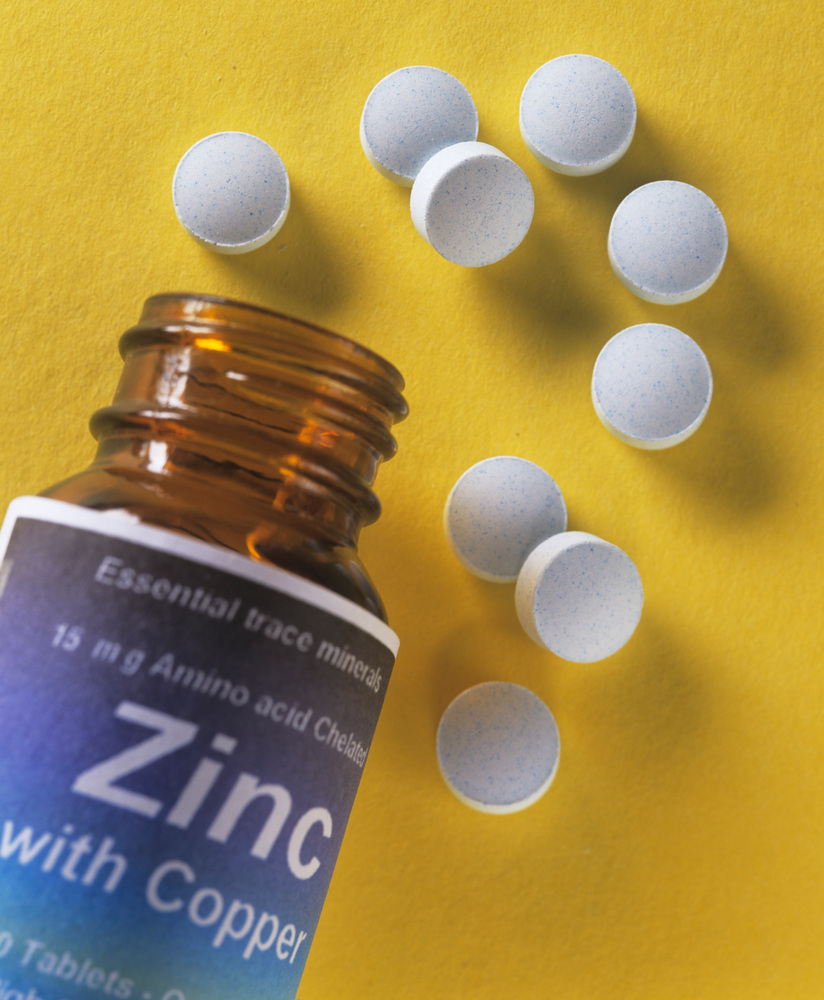
✅ Symptoms that may appear when deficient
The reason the benefits of zinc matter is that a shortage can lead to a variety of symptoms.
-
When you catch colds often or feel fatigued for a long time
-
When skin regeneration is slow and wounds do not heal well
-
A dulled sense of taste and smell
-
Hair becoming thinner or falling out
-
Growth delays, reduced concentration, and more
In particular, people with unbalanced diets, those who continue dieting, or those who drink alcohol or smoke frequently may have a higher risk of this mineral deficiency.
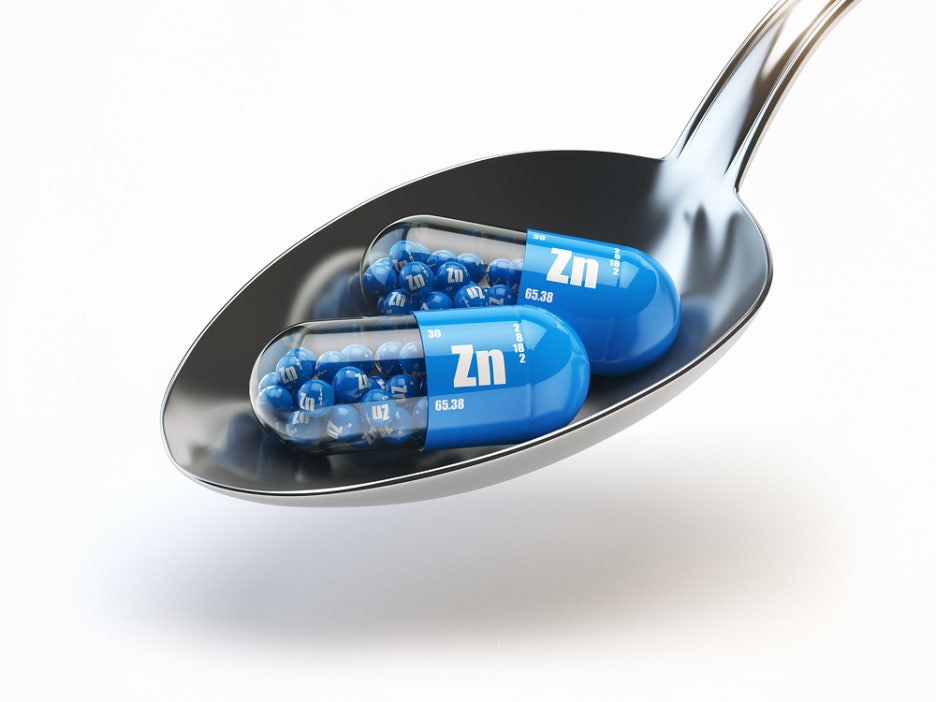
✅ Daily recommended intake and precautions
Taking too much while expecting the benefits of zinc can actually cause side effects, so caution is needed.
-
Adult men: around 10 mg per day
-
Adult women: around 8 mg per day
-
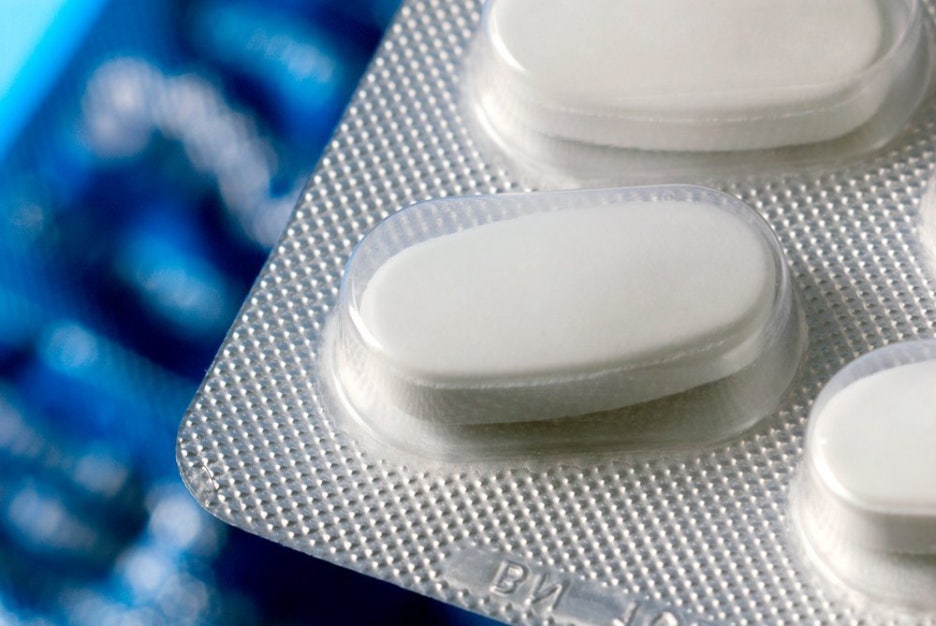
When taking supplements, no more than 35 mg per day is recommended
Excess intake may cause nausea, abdominal pain, and copper deficiency, so you must follow the intake guidelines.
In particular, taking it on an empty stomach may burden the stomach, so taking it after a meal may be more appropriate.
✅ What foods are rich in it?
If you want to get this nutrient naturally, it is a good idea to start with your diet.
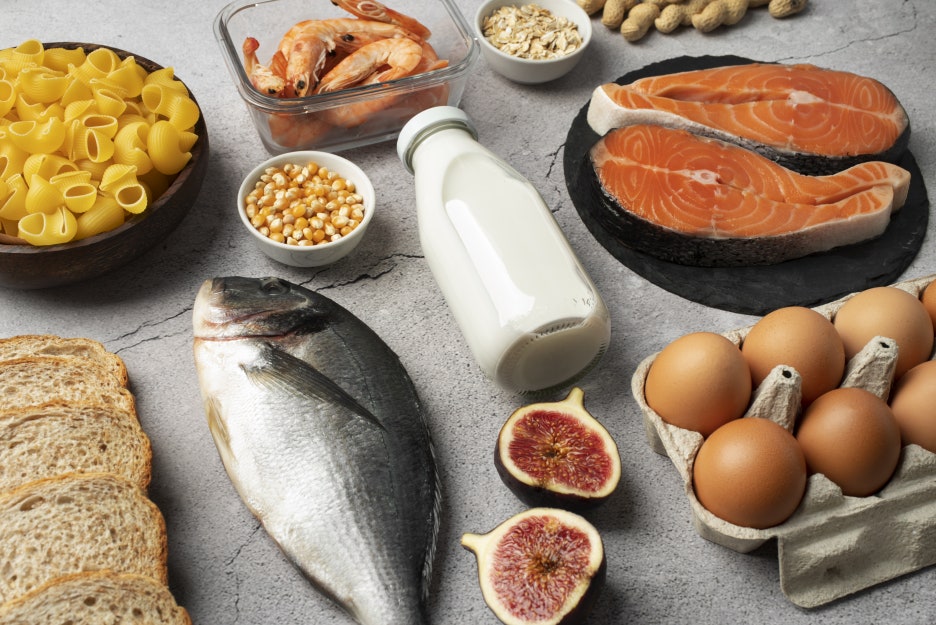
It is found abundantly in foods such as the following.
-
Seafood such as oysters, clams, and shrimp
-
Beef, pork, and chicken breast
-
Dairy products such as eggs, cheese, and milk
-
Nuts and seeds such as sunflower seeds, pumpkin seeds, and cashews
-
Whole grains such as chickpeas, oats, and brown rice
Oysters, which are rich in this nutrient, are a representative food and are often used as a nourishing food in winter.
Eating a balanced variety of ingredients can be a good way to naturally enhance the benefits of zinc.
🌿 In closing
When fatigue has accumulated or immune management is needed, this is one of the nutrients you should make sure to get.
The benefits of zinc may help across many areas, including immune maintenance, skin recovery, men's vitality, growth, and metabolic regulation.
If food alone is not enough, using a supplement that suits you may be one way to maintain balance.
This small but important mineral—why not start paying a little more attention to it from today? 😊









Previous image
Next image