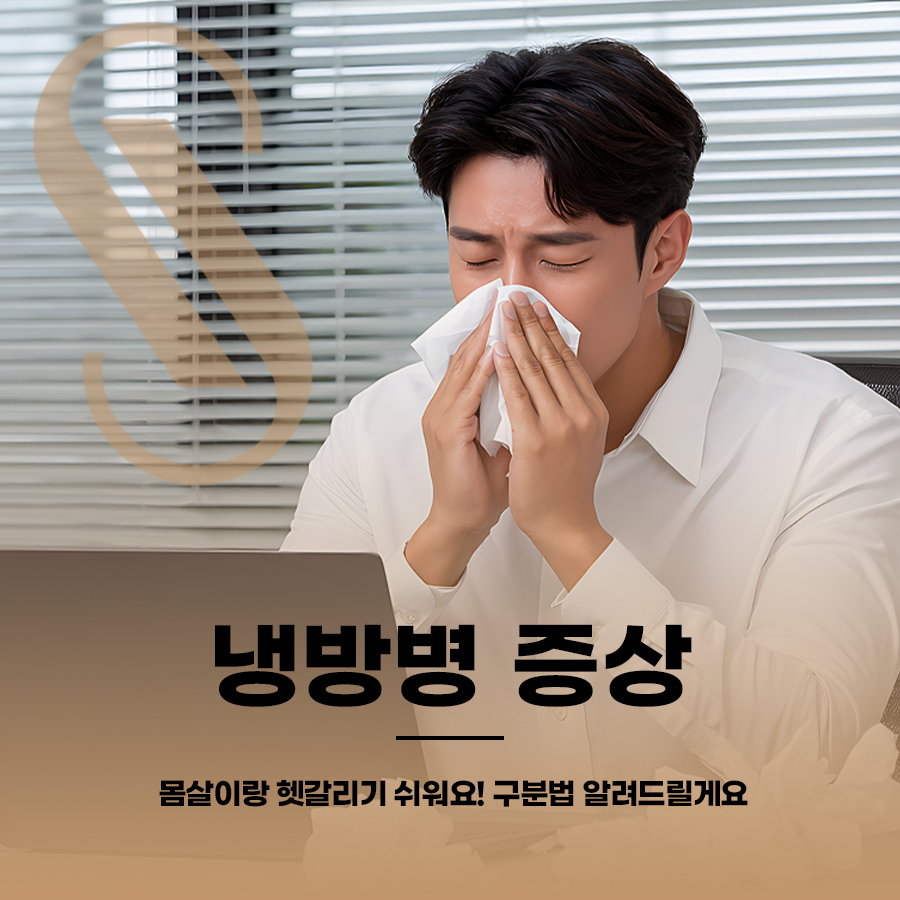
Even a glass of water doesn’t feel refreshing in summer—it’s the kind of season where it’s hard to get by without air conditioning, right?
But if one day you start getting headaches and feel chills and heaviness all over your body?
It may not just be simple fatigue or a cold; it could be symptoms of cold-air syndrome. It’s easy to confuse it with a body ache, too.
Today, let’s look at how to tell the two apart, along with ways to prevent it.⬇️
🧊 What kind of condition is cold-air syndrome?
Cold-air syndrome is not an official diagnosis, but a term referring to an imbalance in the autonomic nervous system that appears after exposure to excessive cold.
When there is a large temperature difference between indoors and outdoors, or when air-conditioner airflow hits the body for a long time, the body’s temperature-regulation function becomes unstable and various reactions appear.
At first, it may start with simple fatigue, but over time, symptoms of cold-air syndrome can develop in different parts of the body.

❄️ Common early symptoms of cold-air syndrome
At first, it may just feel like your condition has worsened.
But common symptoms of cold-air syndrome include headaches, muscle pain, dizziness, indigestion, bloating, and chills.
It tends to appear more often in women and people with lower body temperature, and in many cases the symptoms are worse at night than during the day.
If your body feels so heavy and drained that it affects daily life, it’s a good idea to suspect exposure to cold air rather than simple fatigue.
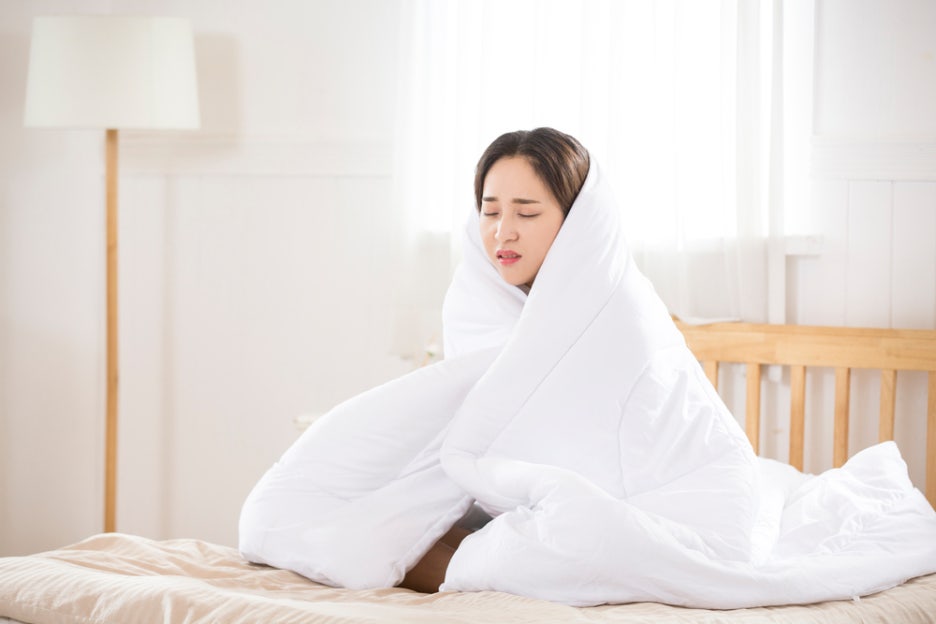
💢 Body aches and cold-air syndrome: how are they different?
Even though they look similar on the surface, there are differences in the causes and how recovery happens.
A body ache comes with fever due to a viral infection or overwork, and the whole body aches while recovery takes time.
On the other hand, symptoms of cold-air syndrome usually come without a fever, or with only a slight fever, and the main issues are headaches, stomach pain, and lethargy.
In many cases, symptoms improve relatively quickly when the cold environment is changed.
It also commonly affects digestion and makes the hands and feet feel unusually cold.
In this way, a body ache is closer to an immune-system issue, while cold-air syndrome is influenced by the living environment.

💊 Can it be solved by taking cold medicine?
Symptoms caused by air conditioning are difficult to resolve with cold medicine alone.
That’s because medication may temporarily ease discomfort, but it does not address the cause: exposure to cold air.
So many people feel that even after taking medicine, symptoms of cold-air syndrome return after a few days.
Rather than taking pain relievers or fever reducers, lifestyle changes such as adjusting the temperature, drinking warm tea, and stretching may be more effective.

🌿 Ways to prevent cold-air syndrome: try these steps
This condition can be prevented well just by following healthy daily habits.
You can protect your health even in air-conditioned environments by using the methods below. 👇
-
Keep indoor temperature at 24–26°C
-
Adjust your seat so cold air does not blow directly on you
-
Bring a light cardigan or a knee blanket
-
Drink warm water often
-
Maintain body temperature balance by going outside during lunch or after work
With just a little attention, you can reduce symptoms of cold-air syndrome and escape repeated feelings of lethargy.

As the time spent indoors during summer gets longer, it becomes important to be more sensitive to the signals your body sends.
Even if it looks like a cold on the surface, if repeated headaches, fatigue, and indigestion continue,
it’s a good idea to consider the possibility of cold-air syndrome and check your living environment.
This summer, don’t lose to the cold—keep your body temperature balanced and stay healthy!









Previous image
Next image