
During the hot summer months, food and water spoil more easily, so intestinal illnesses become more common.
In particular, gastroenteritis is a common illness that can affect anyone, regardless of age or gender, but many people respond too late because they do not know the symptoms and causes accurately.
In this post, I will explain the symptoms and causes of summer gastroenteritis, how it differs from food poisoning, and what to do when diarrhea does not stop.
🌡 Summer gastroenteritis symptoms: what symptoms appear?
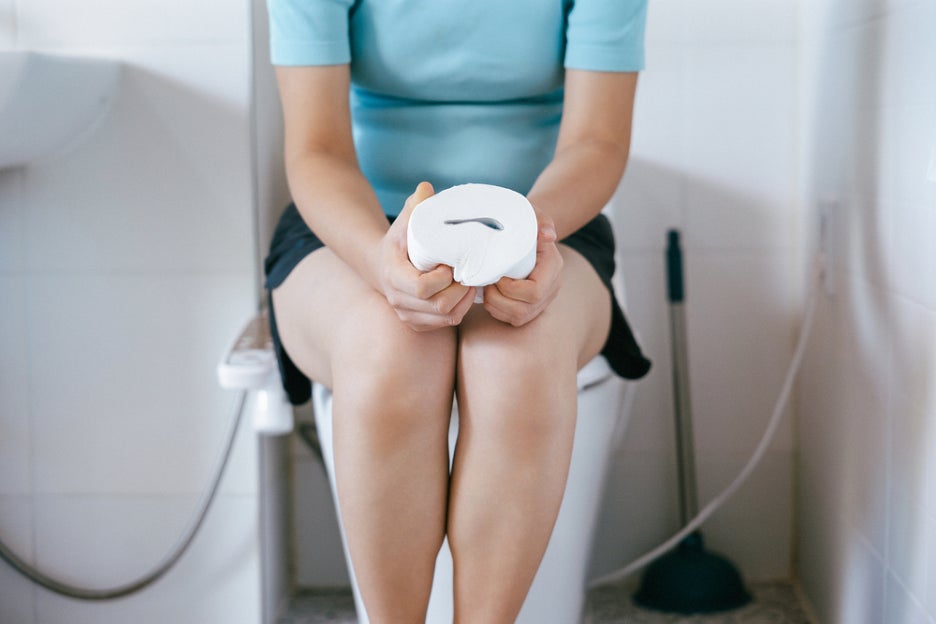
Summer gastroenteritis symptoms usually appear as abdominal pain, diarrhea, vomiting, and fever.
Diarrhea may occur several times a day, and the characteristic sign is that loose stools continue.
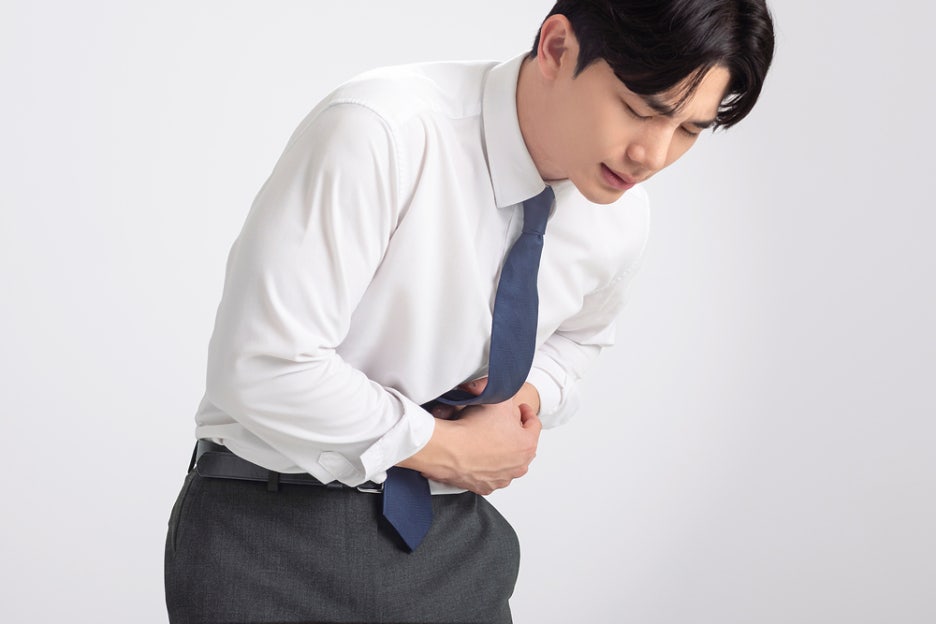
Abdominal pain may affect the whole stomach, or it may come on as a cramping pain in a specific area.
If vomiting is also present, it becomes difficult to eat or drink, increasing the risk of dehydration.
Children and older adults have weaker immunity, so symptoms can become more severe, making extra caution necessary.
🍗 What causes it? It may not be only because of food
The causes of summer gastroenteritis symptoms vary.
A typical cause is eating food or drinking water contaminated with bacteria or viruses.
Because bacteria multiply quickly in hot and humid environments, food left at room temperature for a long time or undercooked food can be risky.
However, it can also spread not only through food, but through poor handwashing, using shared towels, and person-to-person contact.
In particular, during summer vacations, there are many cases of gastroenteritis after using swimming pools or beaches.
In other words, prevention requires paying attention not only to food hygiene but to personal hygiene in general.

❓ What is the difference between food poisoning and gastroenteritis?
Summer gastroenteritis symptoms and food poisoning may look similar on the surface, but they differ in cause and course.
Gastroenteritis: refers to a condition in which the intestinal lining becomes inflamed due to various causes such as bacteria, viruses, or parasites.
Depending on the cause, symptoms can last from a few days to 1 to 2 weeks.
Food poisoning: usually occurs when eating food contaminated with toxins produced by bacteria or with the bacteria themselves.
Symptoms start quickly, and recovery often happens over a relatively short period.
Of course, both conditions can cause diarrhea and vomiting, so an accurate diagnosis should be made through a medical examination.
If symptoms continue for more than 2 to 3 days or worsen, a visit to the hospital is necessary.

💊 What to do when diarrhea does not stop, and how it is treated
If diarrhea continues as a summer gastroenteritis symptom, the most important thing is to replenish fluids and electrolytes.
- Hydration: Drink lukewarm barley tea, sports drinks, or pharmacy drinks made to help with diarrhea and dehydration in small amounts, frequently.
- Dietary adjustment: Avoid greasy and spicy foods, and eat soft, easy-to-digest foods such as plain rice porridge, bananas, and boiled potatoes.
- Rest: Rest enough so your intestines can recover, and avoid strenuous activity.
Anti-diarrheal medicine should not be taken carelessly, since whether it should be used depends on the cause.
Also, if you have bloody stools, a high fever, or signs of dehydration, you should go to the hospital immediately.
At a medical facility, depending on the cause, treatment may include intravenous fluids, antibiotics, or antiviral medications.
Summer has many things to enjoy, but if hygiene management is neglected, summer gastroenteritis symptoms can appear.
By making handwashing, food storage, and safe water intake part of your daily routine, you can protect your intestinal health.
If symptoms do appear, I hope you can quickly identify the cause and take the right steps so you can enjoy a healthy summer.









 Previous image
Next image
Previous image
Next image