Are you looking for a contraceptive method that lets you live安心 for a long time without the hassle of taking a pill every day? Among various contraceptive methods, “Mirena” is drawing attention because a single procedure can maintain a high contraceptive effect for about five years. However, many people may hesitate because of vague fears or questions about the procedure.
Through today’s post, I’ll give you a complete guide to Mirena’s contraceptive effect, including what Mirena is, how it works, and the procedure and cost!
🌿 What is Mirena? The principle behind its contraceptive effect
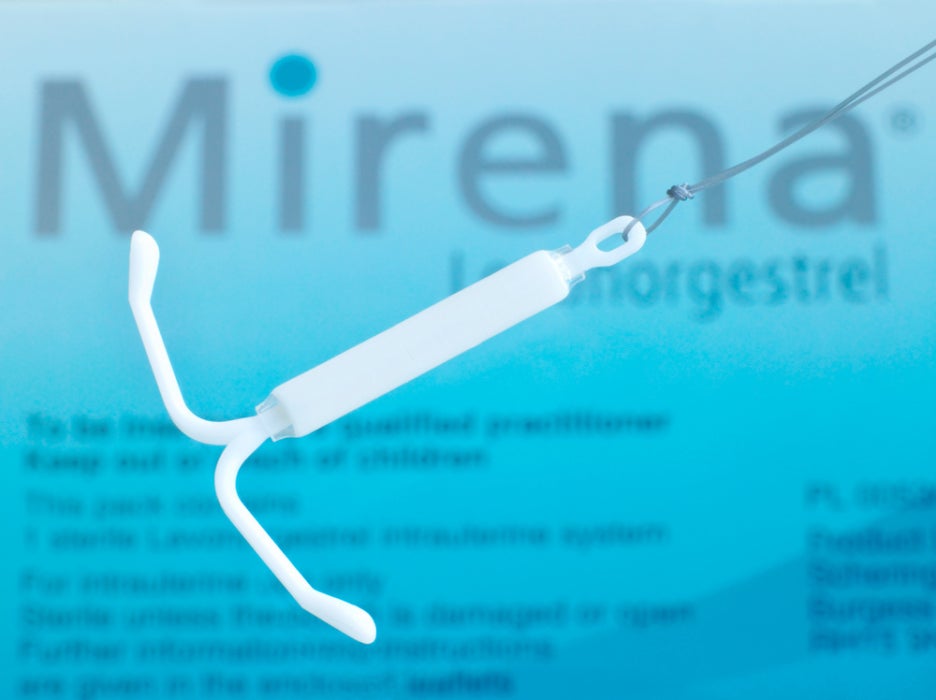
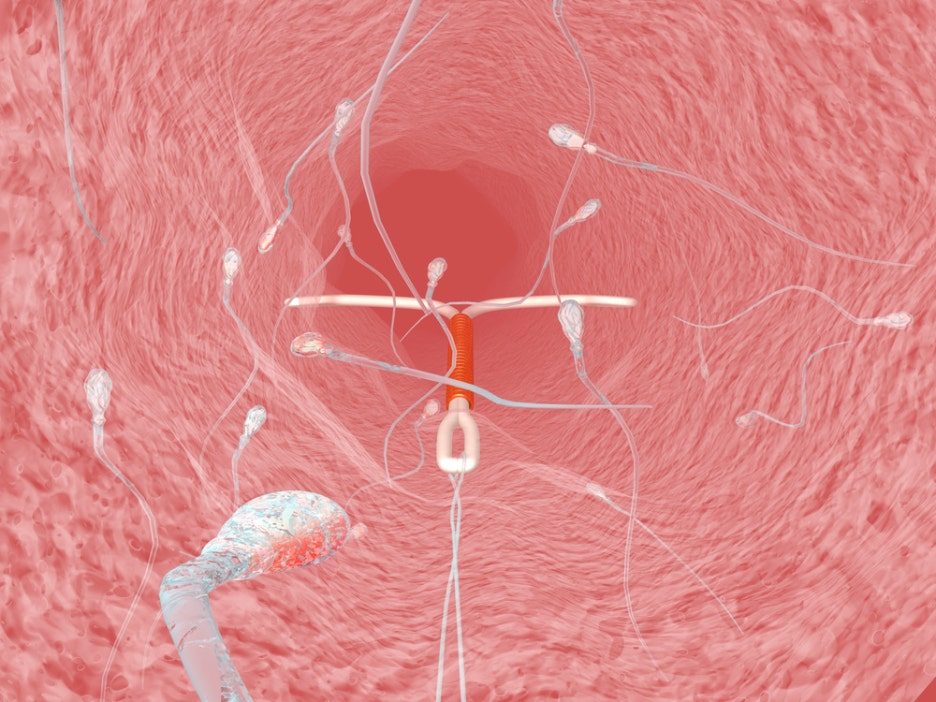
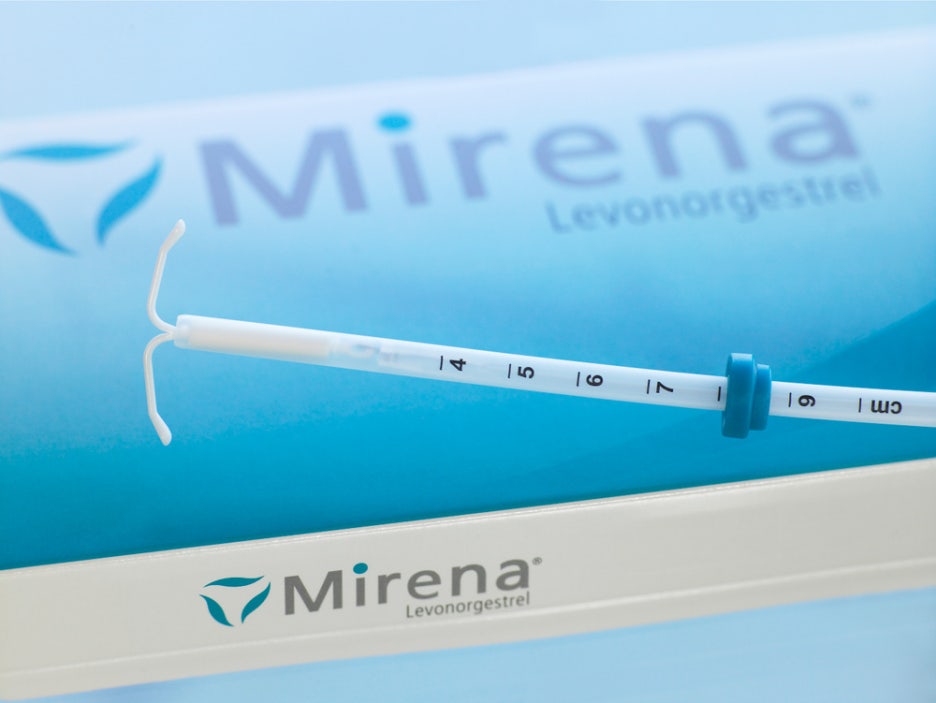
Mirena is a small T-shaped device inserted into the uterus, and it works by releasing a certain amount of the hormone progestin (levonorgestrel) every day to provide contraception.
This hormone mainly works in three ways:
-
Blocking sperm movement: It makes cervical mucus thick and sticky, preventing sperm from entering the uterus.
-
Preventing implantation of a fertilized egg: It thins the uterine lining, making it difficult for a fertilized egg to implant.
-
Suppressing ovulation: In some women, it can also suppress ovulation.
Because it helps prevent pregnancy through multiple mechanisms, it boasts a high contraceptive success rate.
I hope this post helps you better understand the complete guide to Mirena’s contraceptive effect.
👩⚕️ Who is Mirena recommended for?
Mirena is recommended not only for women who simply want contraception, but also for women who need contraception for various reasons.
-
Women who want long-term contraception: Since it can maintain contraceptive effectiveness for five years, it is useful for those who want to avoid the hassle of taking a pill every day.
-
Women with heavy menstrual bleeding or severe menstrual pain: The hormonal component of Mirena thins the uterine lining, which can significantly reduce menstrual flow and may also help relieve period pain.
-
Women who are breastfeeding: Unlike oral contraceptives containing estrogen, it does not affect breast milk, so the procedure is possible during breastfeeding.
In such cases, you can carefully decide whether it is the right method for you by referring to the complete guide to Mirena’s contraceptive effect.
💉 How is the Mirena procedure performed?
The Mirena procedure is relatively simple and is usually performed at an OB-GYN clinic.
Consultation and examination: First, through consultation with medical staff, they check whether the Mirena procedure is appropriate and confirm the condition of the uterus through an ultrasound and other tests.
⬇️
Procedure preparation: It is known that performing the procedure during menstruation or right after the period ends makes it easier because the cervix is softer.
⬇️
Insertion process: The medical staff inserts the Mirena device into the uterus using a special tool. The procedure time is short, usually around 5 to 10 minutes.
⬇️
After the procedure: Mild pain or cramping may occur, but it usually subsides soon.
Although the procedure itself is simple, it can vary depending on your individual health condition, so be sure to consult with medical staff in advance.
This process is an important part of the complete guide to Mirena’s contraceptive effect.
💸 Mirena procedure cost and insurance coverage
The cost of the Mirena procedure may vary depending on the medical institution. The initial cost may feel somewhat burdensome, but since its effects last for five years, it is relatively cost-effective in the long term.
-
Health insurance coverage: If the procedure is done for contraceptive purposes, health insurance does not apply, so it is classified as a non-covered service.
-
Insurance may apply: However, if the procedure is done for therapeutic purposes such as reducing heavy menstruation or relieving menstrual pain, health insurance may apply and reduce the financial burden. It is best to confirm this through consultation with medical staff.
When considering the cost, it is important to carefully weigh the five-year contraceptive effect of Mirena and make a wise decision.

✔️ Precautions to follow after a Mirena procedure
After a Mirena procedure, you should follow several precautions to adapt safely and comfortably.
-
Bleeding and pain: For a few days after the procedure, there may be a small amount of bleeding (spotting) or mild abdominal pain. This is a natural phenomenon, so there is no need to worry too much.
-
Regular string checks: It is recommended to periodically check whether the Mirena strings are still in place properly. If the strings cannot be felt or their length has changed, you should visit a medical institution.
Precaution: It is best to avoid sexual intercourse or strenuous exercise for a few days after the procedure.
Mirena is a convenient long-term contraceptive method, but it is not suitable for everyone.
Please refer to the complete guide to Mirena’s contraceptive effect and choose the method that suits you best.









Previous image
Next image