
Have you ever noticed tiny, bumpy little grains around your eyes and wondered, “What is this?” Most people think all of these are milia, but in fact, they could also be syringomas. The two conditions look similar, but they differ greatly in their causes, symptoms, and treatments, so it is important to know the difference accurately. Through today’s post, learn the syringoma and milia differences that may have been confusing.
📌What is syringoma?
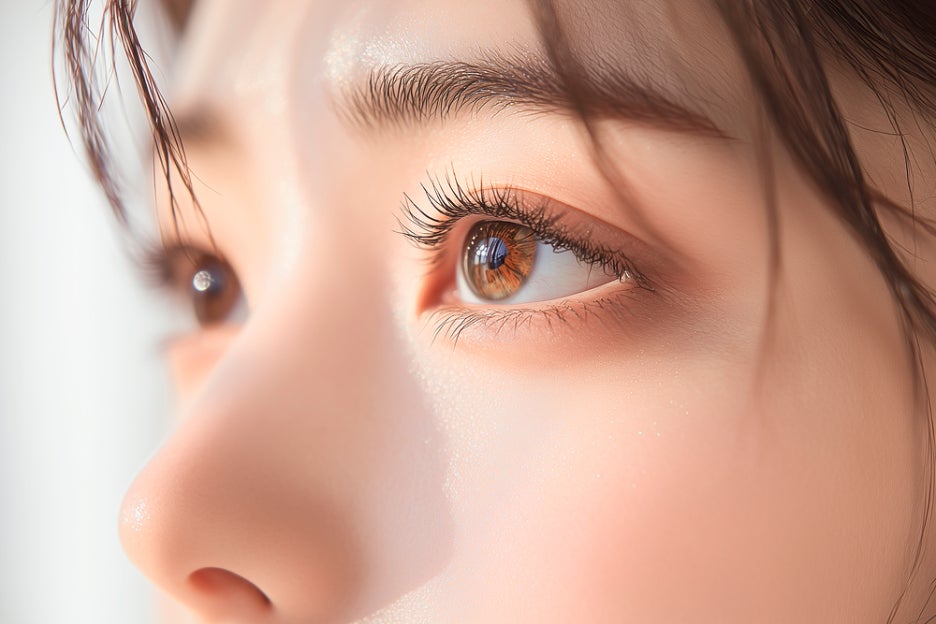
Syringoma is a benign tumor caused by abnormal proliferation of sweat glands.
It usually appears as many small, closely packed bumps like millet seeds under the eyes, and is commonly found in women in their 20s and older.
Because it is rooted deep in the skin, its size and number tend to gradually increase over time. It is similar to skin color or slightly reddish, and appears in clusters. Squeezing it does not make anything come out, and if left untreated, it may gradually grow larger or spread.
📌What is milia?
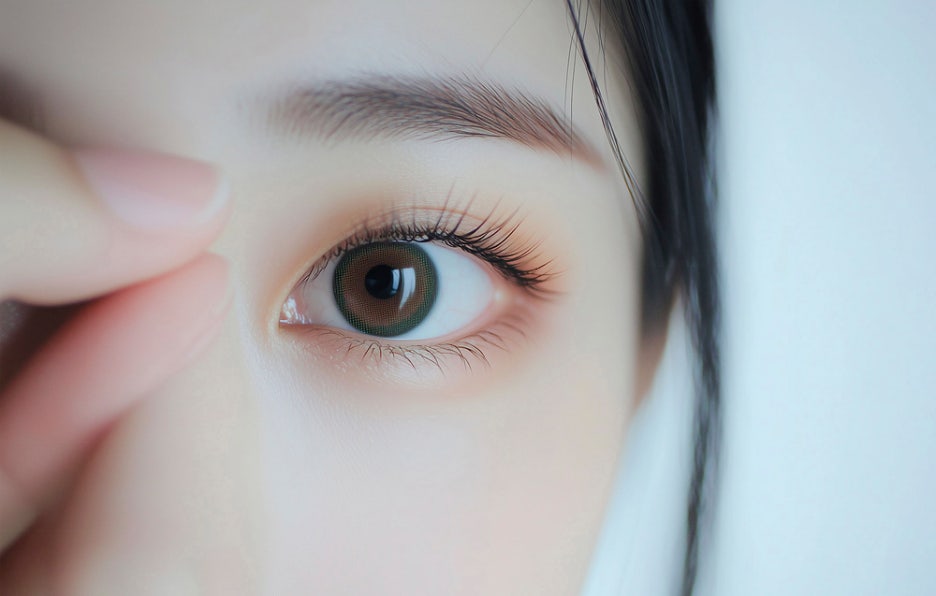
Milia is a benign tumor formed by a keratin cyst in the superficial layer of the skin. It mainly appears around the eyes or on the cheeks,
showing up as tiny white or yellow bumps about 1 mm in size. It can occur in anyone, regardless of age or gender,
and is especially common when the skin is dry or exposed to a lot of ultraviolet light. It is small and round like millet seeds,
with a hard grain inside. It usually appears one or two at a time, scattered apart, and does not go away easily.
📌Syringoma and milia differences at a glance
Although the two conditions look similar, there are several important syringoma and milia differences. The biggest difference between syringoma and milia is
the cause. Syringoma develops due to the proliferation of sweat glands, while milia develops because of keratin buildup inside the skin.
Another important syringoma and milia difference is their appearance and distribution. Syringoma usually appears in multiple lesions under the eyes and
is slightly larger, around 2–3 mm. Milia, on the other hand, appears one or two at a time around the eyes or on the cheeks, and is smaller at around 1 mm.
In addition, syringoma is often similar to skin color or slightly reddish, while milia is characterized by a distinct white or yellow color.
Recurrence rate and difficulty of removal are also major syringoma and milia differences.
Syringoma has a deep root in the skin, so natural healing is almost impossible and the recurrence rate is high,
but milia is closer to the epidermis, so it can be removed relatively easily and has a lower recurrence rate.
Knowing the exact syringoma and milia differences is the first step toward proper treatment.
📌How are they removed?
Because syringoma and milia have different causes, the treatment methods are also different. Do not try to remove them hastily through self-diagnosis;
it is important to consult a dermatologist and find the method that is right for you.
Removing syringoma:
Because the roots are deep, it must be removed from the root using a laser. Carbon dioxide (CO2) lasers or erbium:YAG lasers are commonly used,
and it may be difficult to remove completely in one session, so multiple procedures may be necessary.

Removing milia:
It is removed by using a needle or laser to scoop out the keratin cyst.
Because it is close to the epidermis, it can be removed relatively simply, and results may be seen even after one treatment.
If you attempt to remove it yourself using the wrong method, secondary infection or scarring may occur, so we recommend receiving safe treatment at a hospital.









Previous image
Next image