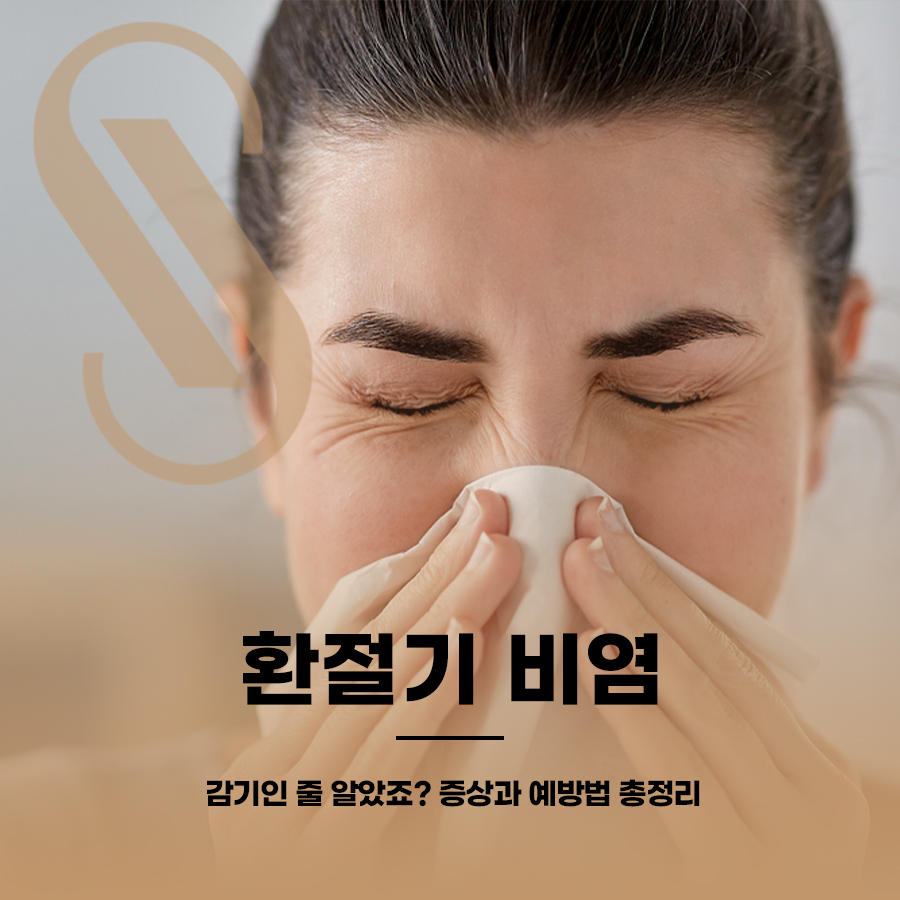
With autumn arriving in full swing, have you been wondering if the runny nose and sneezing that start in the morning and evening are just a cold?
But if the symptoms do not improve even after several days, it may not be a simple cold.
It could be seasonal rhinitis. Today, we will take a closer look at everything about this condition, which is easy to confuse with a cold,
and also learn smart prevention methods to help protect your body.
If you fully understand today’s information, you can get through the coming seasons much more healthily.
🌬️ Causes of Seasonal Rhinitis
Allergic rhinitis that appears during seasonal changes is a condition caused by the body’s hypersensitive reaction to a specific allergen.
The main causes lie in environmental changes that vary by season. In autumn, pollen, especially weed pollen such as ragweed or mugwort, spreads abundantly through the air,
and the dry weather also encourages the growth of house dust mites and mold.
These allergens irritate the nasal mucosa and trigger symptoms such as a runny nose and sneezing. In addition, sudden temperature changes are also an important factor that can cause
seasonal rhinitis. When cold air touches the nasal mucosa, blood vessels repeatedly constrict and expand, causing the mucosa to swell and worsening symptoms.
🤧 Rhinitis Symptoms
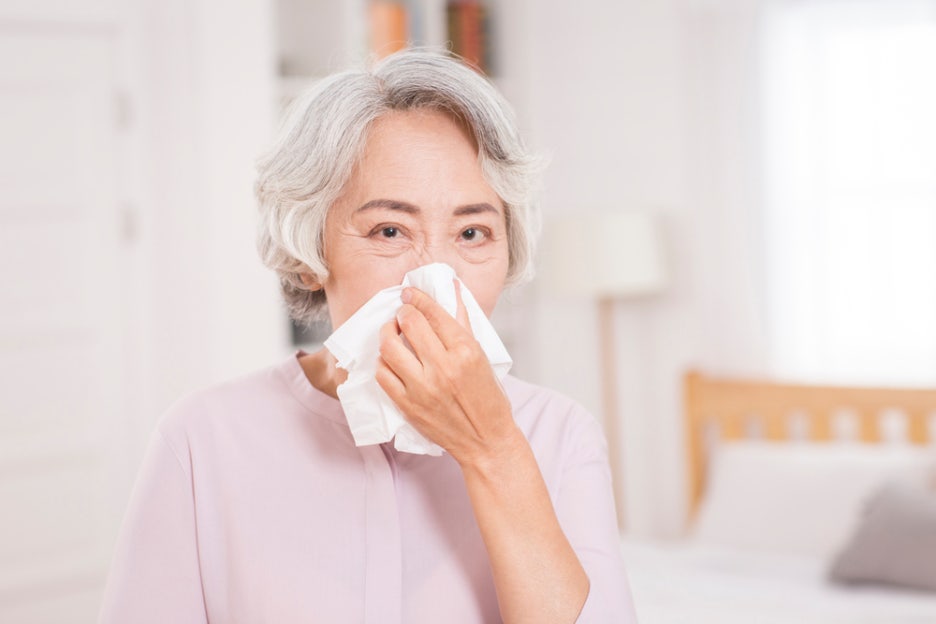
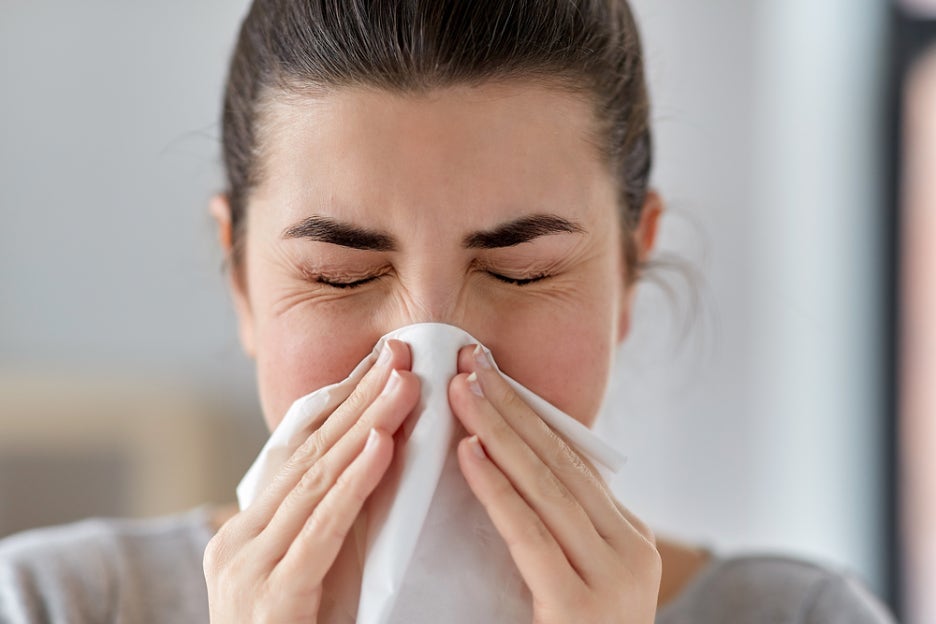
The most common symptoms are clear runny nose, paroxysmal sneezing, and nasal congestion. The discharge flows like water, sneezing comes in bursts once it starts,
and the nose becomes so blocked that breathing feels uncomfortable. In severe cases, nasal itching or eye itching, as well as headaches or reduced concentration, may also occur.
These symptoms can make daily life very difficult and even disturb sleep, lowering quality of life.
If these symptoms continue for more than two weeks, there is a high chance that it is chronic allergic rhinitis.
In particular, seasonal rhinitis tends to show symptoms repeatedly.
🛡️ Prevention Methods
Preventing symptoms before they appear is the most important thing.
First,
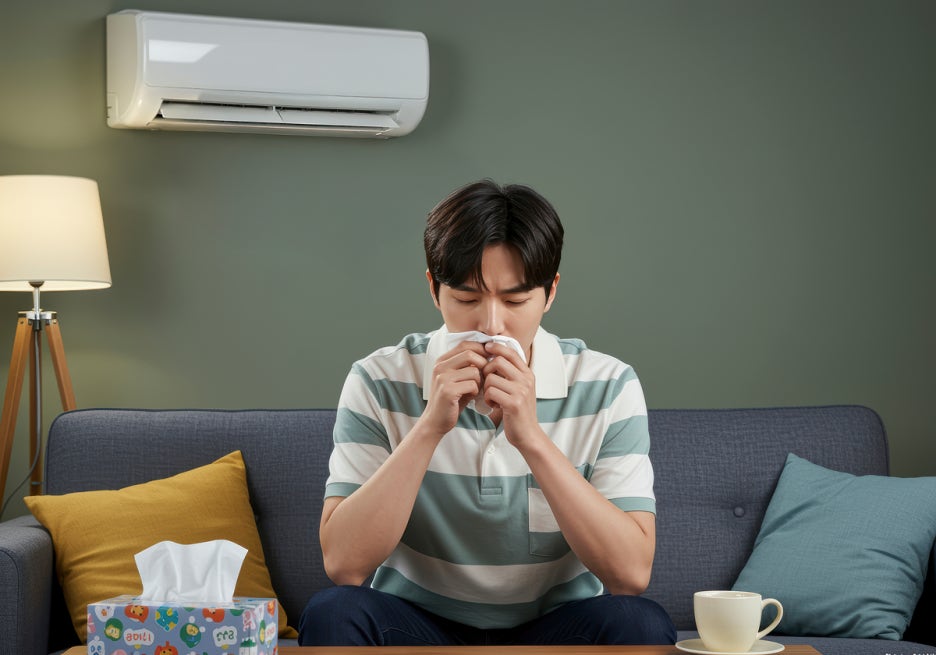
pay attention to indoor humidity control. Using a humidifier to keep indoor humidity around 40–50% helps prevent the nasal mucosa from drying out and helps relieve symptoms.
Second,
you should maintain a clean environment. Bedding, where house dust mites and mold can easily grow, should be washed frequently in hot water,
and the room should be aired out often to keep the indoor air pleasant.
In particular, after going out, it is a good idea to shake off your clothes and wash your hands and feet thoroughly to remove allergens that may be on your body.
Third,
wearing a mask is essential. When going বাইরে on days with severe fine dust or pollen, wear a mask to prevent allergens from entering your nose.
Fourth,
it is also important to build immunity through a regular lifestyle. Getting enough sleep,
and consistently following a balanced diet and light exercise can greatly help strengthen immunity and prevent seasonal rhinitis.
🔍 How to Tell It Apart from a Cold
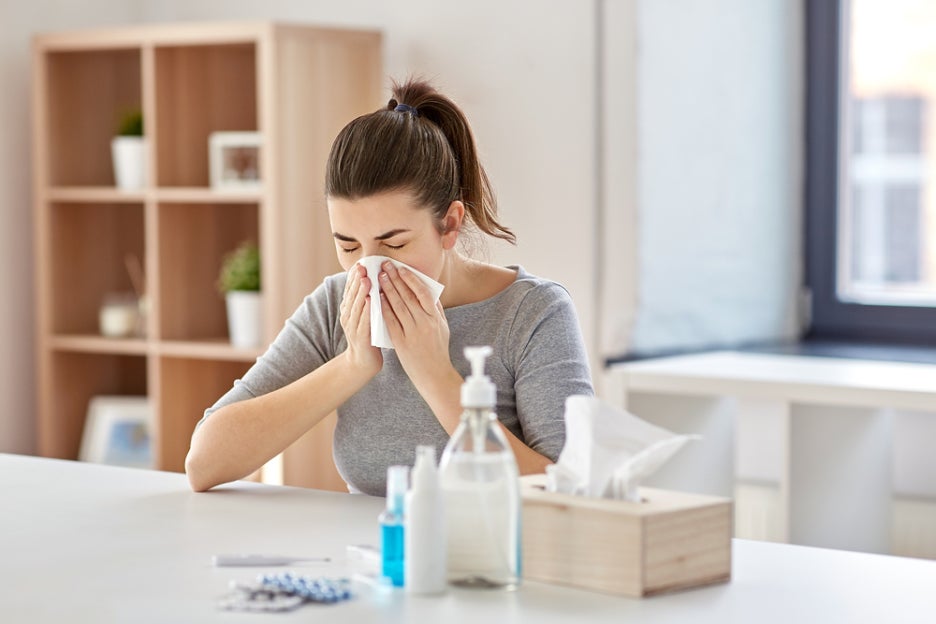
Let me clearly explain the difference between a cold and rhinitis, which many people confuse.
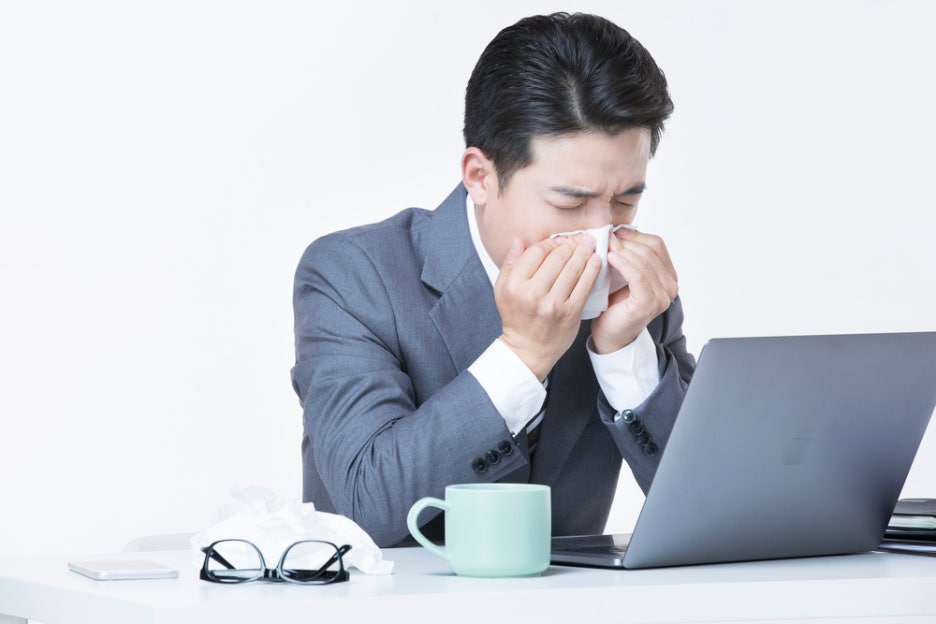
A cold is caused by a virus, so it is usually accompanied by systemic symptoms such as a slight fever, muscle aches, and sore throat.
Rhinitis, however, appears as a reaction to a specific allergen, so fever or body aches are rarely present.
Also, while cold symptoms usually improve within 1–2 weeks, allergic rhinitis causes symptoms to appear repeatedly whenever you are exposed to the allergen.
If a runny nose and sneezing continue for more than two weeks, it is worth suspecting rhinitis rather than a cold.
In this way, seasonal rhinitis is easy to overlook because its symptoms are similar to those of a cold,
but with proper care, you can sufficiently relieve the symptoms and return to a healthy daily life.
I hope you make good use of the information shared today and spend this fall and winter comfortably and healthily.

Previous image
Next image