When cold wind blows or you feel tired, have you ever experienced chapped, cracked lips?
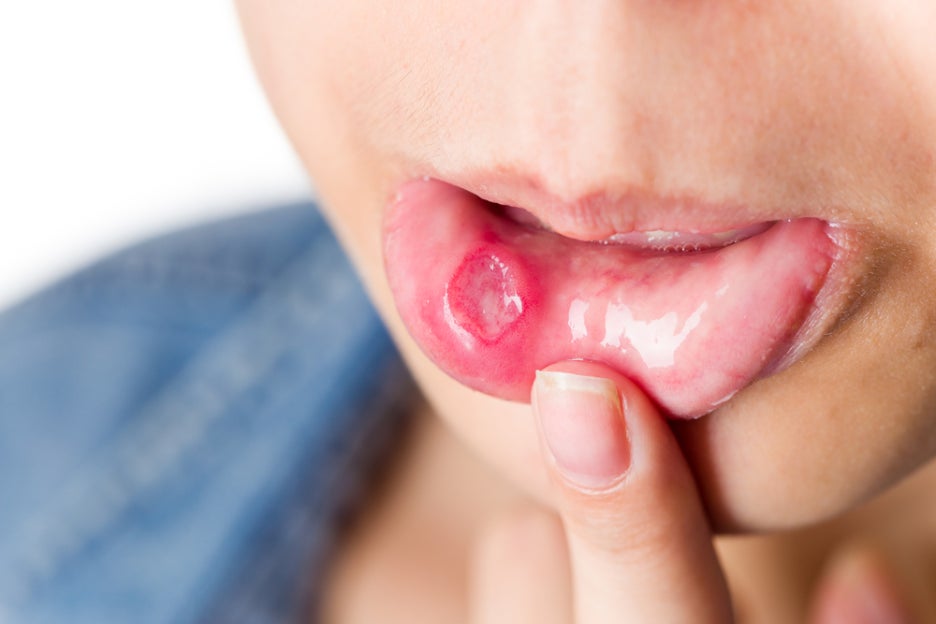
Many people think it is just simple dryness and brush it off, only to end up suffering later. At times like this, the condition to suspect is ‘cheilitis.’
This condition comes in many types and often recurs, so accurate information and management are necessary. For those wondering whether they have to give up pretty lip makeup or whether it might spread to people around them, I’ll easily and enjoyably answer all your questions about this condition!
🩺 Causes of Cheilitis
This condition is a general term for inflammation that occurs on the lips and the surrounding skin. It is divided into several types depending on the cause,
but in common, lowered immunity and external irritation have a major influence.
The most common causes are contact and habits. Allergens contained in lipstick, toothpaste, food, and similar products can touch the lips and cause
‘contact cheilitis,’ which is a representative example. Also, habits such as frequently licking or biting the lips, or drooling a lot, continuously
irritate the lip skin and make it dry, leading to this condition.
In addition, there are various causes such as a dry environment, excessive exposure to sunlight, vitamin deficiency, and chronic skin conditions like atopic dermatitis. In particular, symptoms of cheilitis such as cracked lips and scabs often become worse during dry seasons. In this way, it is often not just the lips that hurt, but rather symptoms of cheilitis that reflect your physical condition or lifestyle habits, so you need to look closely.
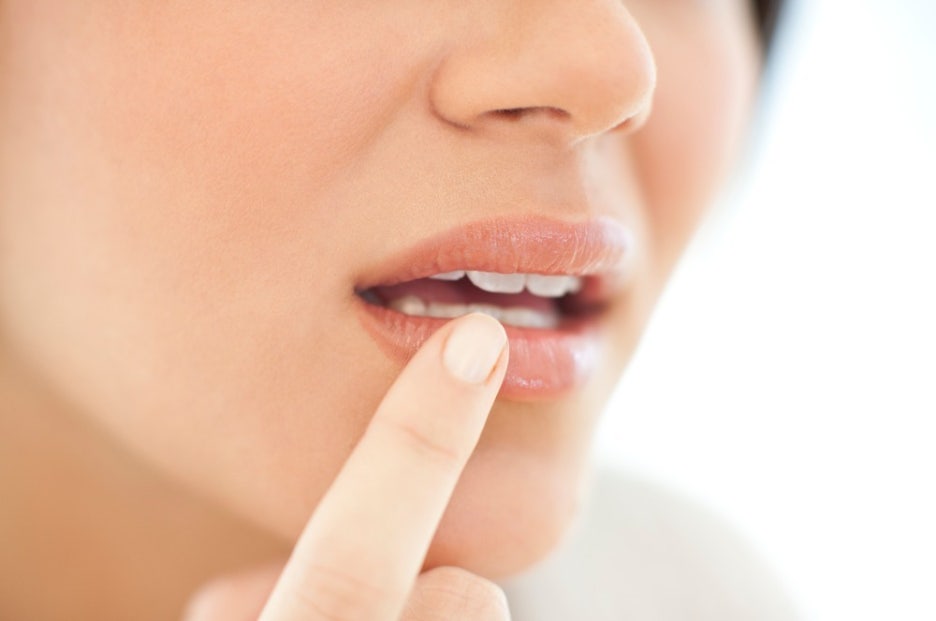
💄 Tint and Cheilitis
The tint you usually enjoy wearing may suddenly worsen symptoms of cheilitis! 😥
Coloring agents or fragrance ingredients in tints and lipsticks, especially certain dye ingredients such as ‘Red No. 202,’ can cause allergic contact cheilitis in some people.
Even if it was fine at first, an allergic reaction may suddenly appear when you are not feeling well or your immunity is low.
If your lips are swollen, itchy, or severely cracked due to cheilitis symptoms, please take a break from lip makeup for a while.
🙅♀️ If you absolutely have to use something, it is best to check the ingredients carefully and use products for sensitive skin or a colorless moisturizing lip balm.
In particular, tints or lip balms that have been used once can become contaminated with saliva or foreign substances and turn into a breeding ground for bacteria,
so replacing them with new products every 2 to 3 months can also be very helpful in preventing cheilitis symptoms!
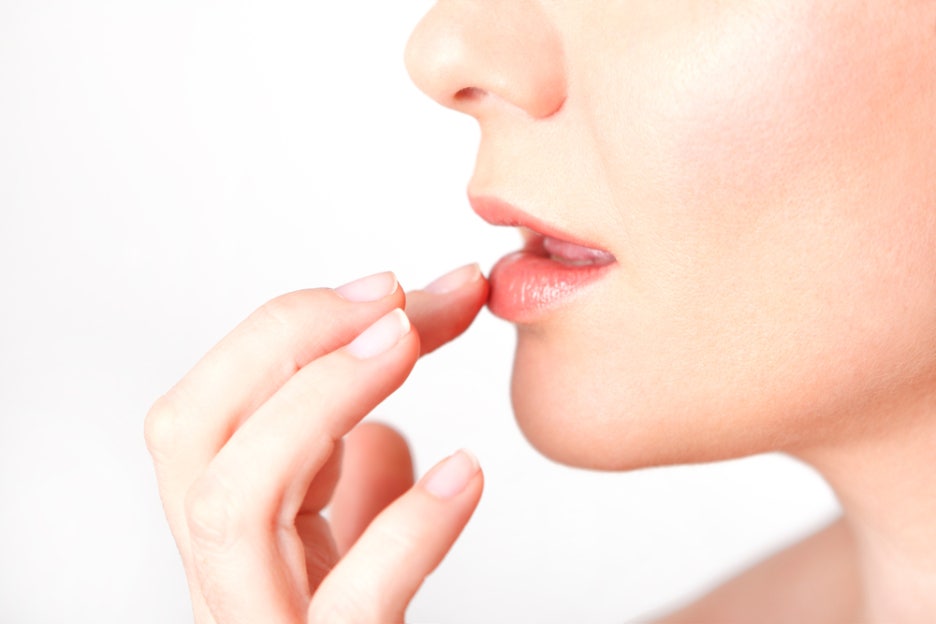
💊 Treatment Methods
When symptoms of cheilitis appear, the first things to do are ‘remove the cause’ and ‘moisturize.’
If the cause is clear, you should avoid it first. For example, if it is contact cheilitis caused by a specific lip product,
you should stop using that product immediately. Bad habits such as licking your lips also need to be corrected.
Mild symptoms of cheilitis may improve with moisturizers (such as petroleum jelly) or ointments that are easily available at pharmacies.
However, if symptoms last more than a week, or if the pain is severe and there is discharge or blisters, you must visit a dermatologist or dentist for an accurate diagnosis and treatment. This is because there are many cases of cheilitis symptoms that require prescription medications such as antibiotics, steroid ointments, or antifungal medications, depending on the clinician’s judgment. Please keep in mind that self-diagnosis and self-treatment can actually make the condition worse!
💋 Is It Okay to Kiss?
This is something many people wonder about! 🤔
To get straight to the point, this condition is mostly not contagious.
This condition is an inflammation caused by various factors such as bacteria, fungi (Candida), or allergic reactions.
Cheilitis caused by simple dryness, allergies, or irritation does not need to be feared as something that can spread to others through kissing.
But! There are exceptional cases you should be careful about. These are ‘herpes labialis (cold sores)’ and ‘angular cheilitis.’
Herpes labialis:
This is a different condition from cheilitis and is caused by the herpes simplex virus.
When blisters burst and discharge appears, it is highly contagious, so you should avoid not only kissing but also sharing towels or utensils.
Angular cheilitis:
This is inflammation that causes cracks at the corners of the lips, and it may be caused by a fungal (Candida) infection.
In this case as well, it is safer to avoid contact until it is completely healed.
Therefore, if you have wounds, blisters, or discharge on your lips, it would be considerate to the other person to refrain from kissing until it is completely healed. Enjoy sweet moments again with healthy lips! ✨







Previous image
Next image