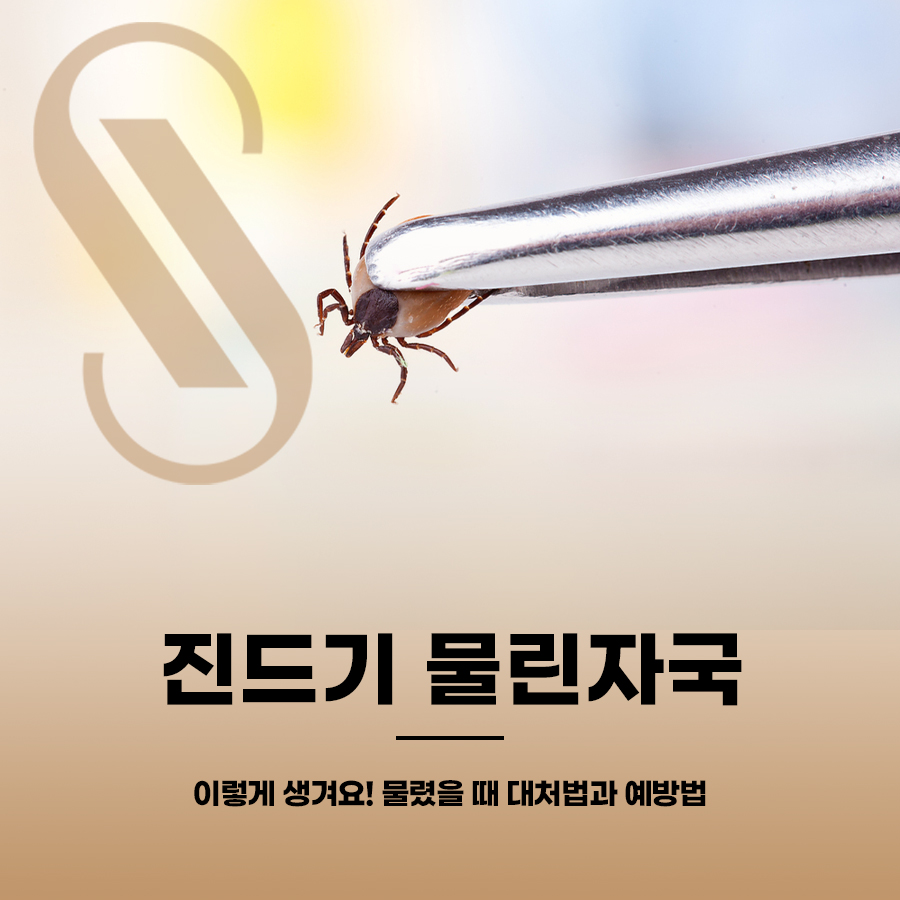
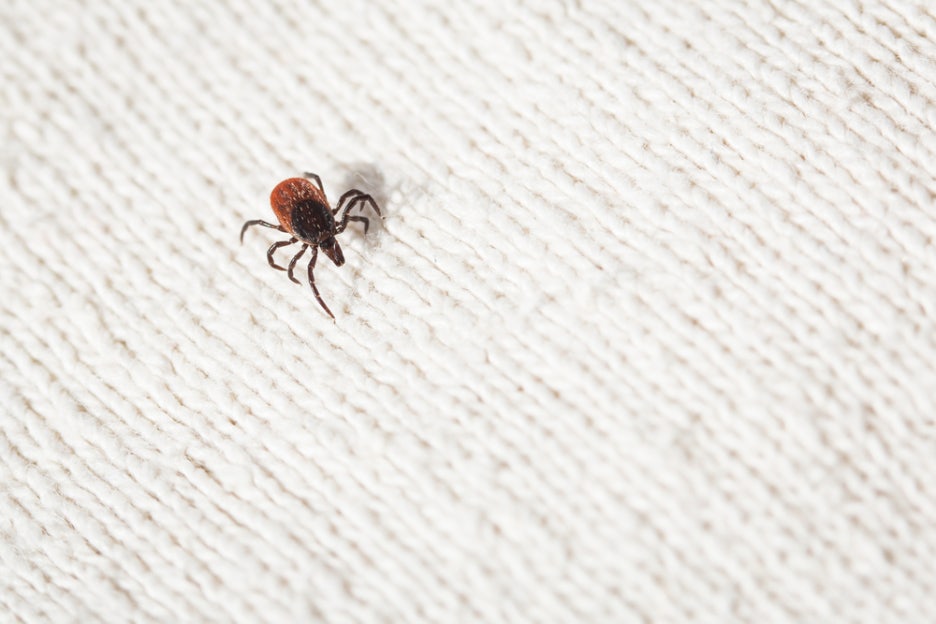
As the intense summer heat fades and outdoor activities increase, there is a threat that is hard to notice but dangerous. It is a tiny arachnid!
Because it can transmit serious diseases beyond simple itching, caution is needed.
If you are someone who spends time with children or pets, you need to pay even closer attention.
From now on, let’s take a closer look at this small threat,
and, most importantly, I’ll explain the features of a tick bite and how to respond safely!
🐜 Tick Bite Marks
Bite marks can appear differently depending on the type of tick and the person. However, they generally show the following features.
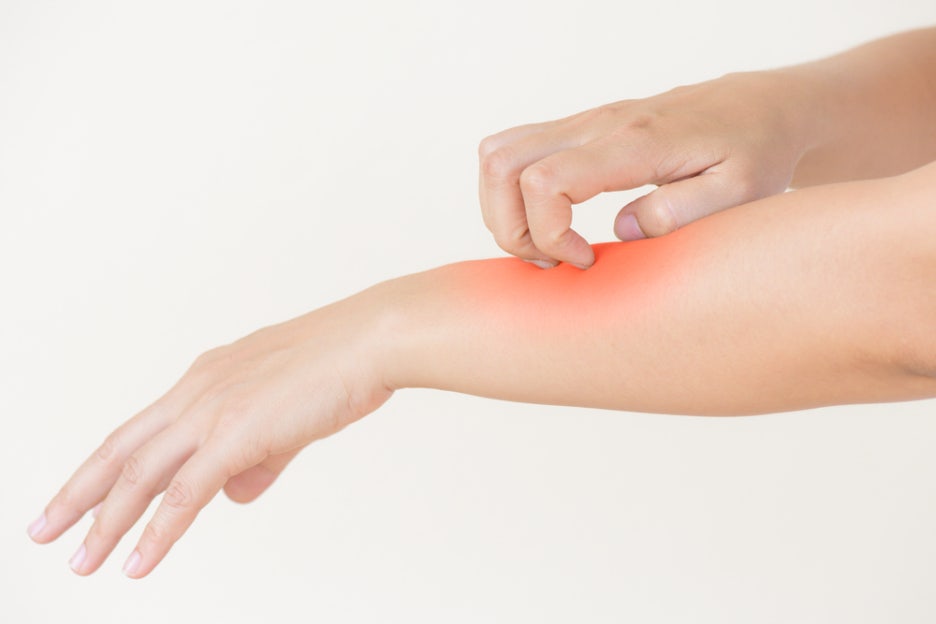
Red spots: A small red spot appears at the bite site. It is usually accompanied by itching rather than pain.
‘Bull’s-eye’ rash: If you are bitten by a type that transmits Lyme disease, over time a red ring may spread outward in a circular pattern around the center of the bite.
This unusual ‘bull’s-eye’ tick bite mark can appear, so please remember it well!
Small lump: In some cases, part of the arachnid may remain embedded at the center of the bite, looking like a small scab or black dot.
This is clear evidence of a tick bite.
Multiple bite marks: Tick bite marks may also appear clustered together in one area or in a line.
Accompanied by fever, chills, etc.: If systemic symptoms such as fever, headache, or muscle aches appear in addition to skin symptoms, you should visit a hospital immediately.
Even if you did not realize you had been bitten, these symptoms can make you suspect a tick bite.
Swelling: The area around the bite may swell slightly.
🚨 What to Do If You’re Bitten
If you find this tiny creature on your skin, never remove it by hand or crush it!
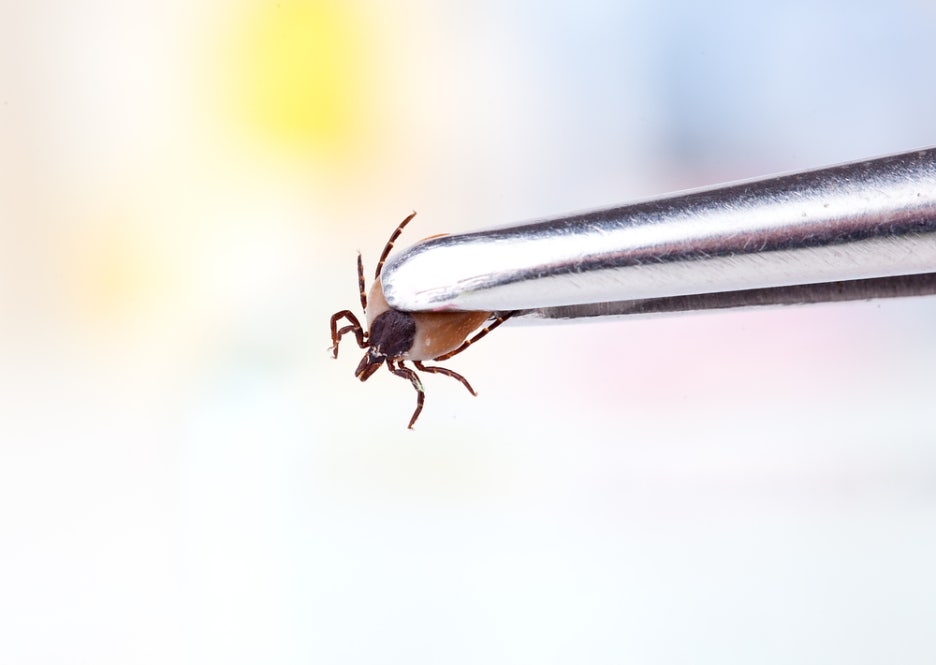
Immediate removal: Use tweezers to grasp it as close as possible to the point where the head is embedded, and slowly pull straight upward to remove it completely.
Be careful not to twist or squeeze it.
Disinfection: After removal, clean and disinfect the bite area thoroughly with alcohol or soapy water.
Visit a hospital: After removal, keep a close eye on the area around the tick bite mark, and if symptoms such as fever, rash, or muscle aches appear, you should definitely consult a doctor.

🧴 Prevention
The best response is to prevent it in advance!
Wear long clothing: When going to grasslands or forests, wear long sleeves and long pants to minimize exposed skin.
Use repellents: Spray repellents approved by the Ministry of Food and Drug Safety on clothing or exposed skin.
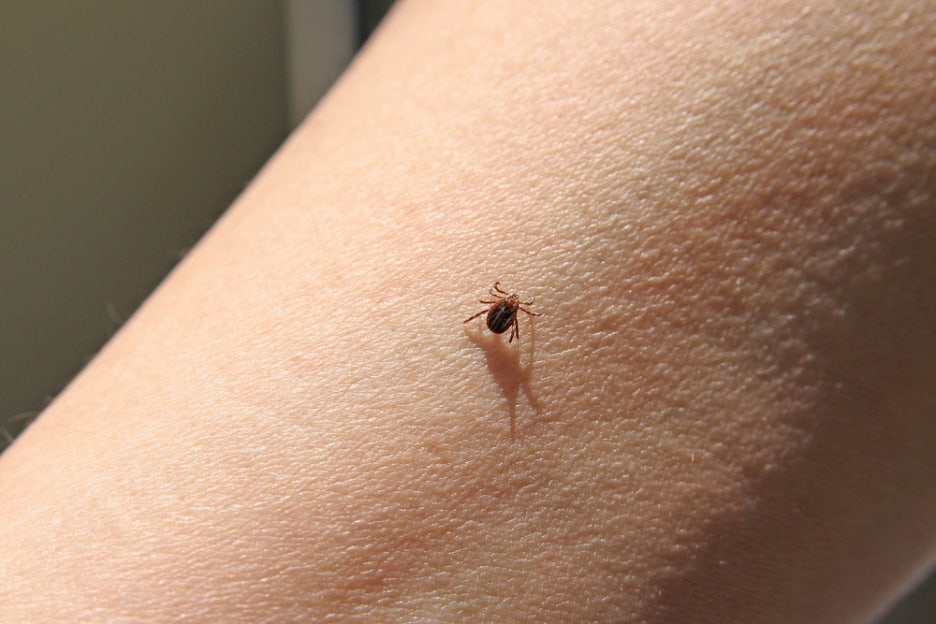
Careful check: After outdoor activities, shake out your clothes, take a shower, and carefully check your entire body to see whether there are any tick bite marks or small creatures attached.
Pay special attention to areas that fold or crease, such as in your hair, behind the ears, and behind the knees.
🏠 How to Check Whether There Are Ticks at Home
The indoor environment also matters!
Cleaning and ventilation: In the case of house-dust types, they prefer humid environments, so it is best to clean often and dry bedding in the sun or wash it at a high temperature.
Humidity control: Keeping indoor humidity below 50% helps suppress breeding. Try using a dehumidifier.
Conclusion: Protecting your family’s health from small threats depends on prevention and quick action.
Please remember the features of tick bite marks and the response methods shared today, and continue a safe and healthy life! 😊









Previous image
Next image