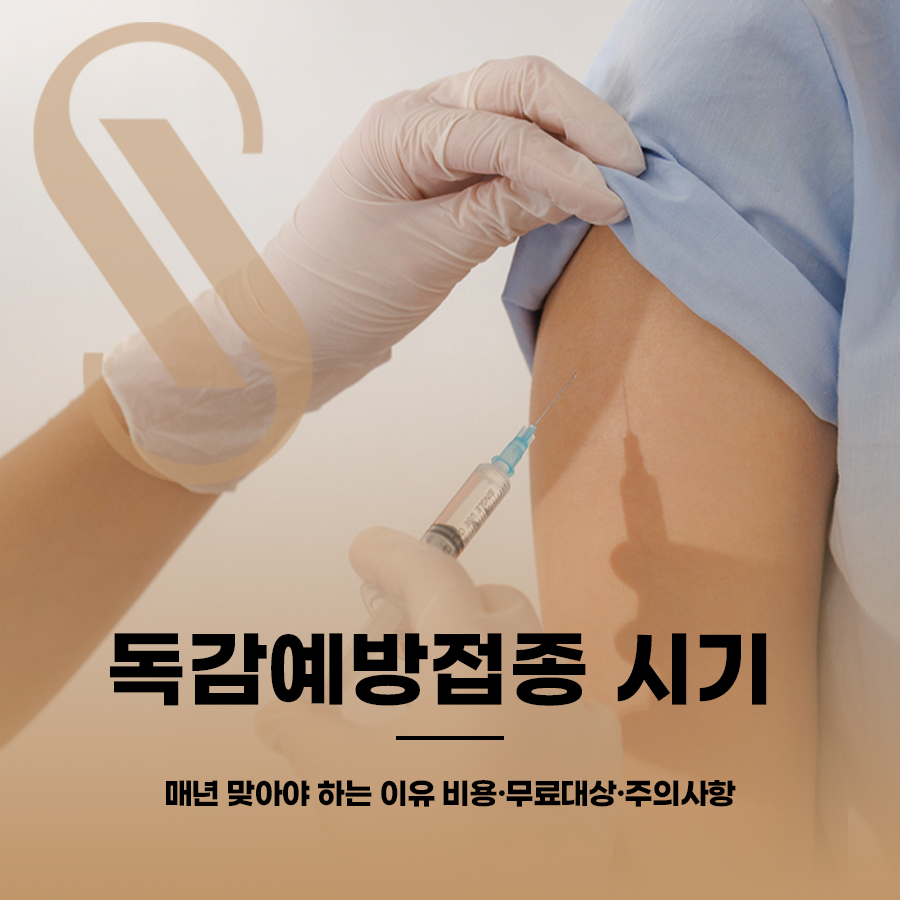
With the weather getting noticeably colder, are you worried about respiratory illnesses?
Unlike the common cold, influenza can cause fatal complications such as pneumonia in severe cases, so preparing in advance is
a basic part of staying healthy through winter. The answer is vaccination! I’ll explain in an easy and enjoyable way the flu vaccination timing that many people
wonder about, why you should get it every year, vaccination costs and free-eligibility information,
and precautions before and after vaccination.
Complete your health plan for this winter with just this post! Prevention is the best defense against influenza.
💉 Flu vaccination timing: when is the best time to get it?
Influenza season usually lasts from December through April of the following year. After vaccination, it takes about
2 weeks for antibodies to form and immunity to develop. Therefore, it is most important to build up your defenses before the virus season becomes full scale.
Experts recommend getting the flu shot between late September and mid-November. Ideally, you should complete the vaccination
by November at the latest for the best effect.
In particular, high-risk groups such as adults aged 65 and older, pregnant women, and children have specific national flu vaccination periods and schedules,
so be sure to check the relevant schedule and get vaccinated in order without rushing. The influenza virus is always targeting us, so
following the proper flu vaccination timing and securing immunity is the smart way to protect yourself from illness.

🔁 Why do you need to get vaccinated every year?
"I got the shot last year—do I really need another one?" is one of the most common questions this time of year.
Yes, the answer is that you need to get it every year.
The reason is two scientific characteristics of influenza: "mutation" and the "duration of immunity."
First, virus mutation.
Influenza viruses are very good at undergoing "antigenic drift," gradually changing their genetic structure every year. Because the viruses that circulated last year and the ones that will circulate this year are different, the World Health Organization (WHO) recommends each year that new vaccines be produced to match the virus strains expected to circulate that year.
Therefore, to prepare for the newly changed viruses, you need to get vaccinated every year.
Second, the duration of immunity.
The protective effect of a vaccine usually lasts about 6 months. To stay healthy throughout the entire influenza season, it is necessary to get vaccinated at the new flu vaccination time before the immune effect wears off. If a child is receiving the vaccine for the first time after birth, two doses at 4-week intervals are needed for sufficient antibody production, and in that case the flu vaccination timing should begin even earlier.

💰 Vaccination cost and free eligibility
The cost of the influenza vaccine varies slightly depending on the type of vaccine (3-valent/4-valent) and the size of the medical institution, but it is usually in the range of 30,000 to 40,000 KRW. However, the government supports free vaccination for high-risk groups with a higher risk of complications.
As of the 2025–2026 season, the government-supported
free vaccination eligibility is as follows:
-
Children aged 6 months to under 13 years (based on year of birth)
-
Pregnant women (regardless of gestational week, verified with a maternity record booklet, etc.)
-
Adults aged 65 and older (the vaccination start date differs sequentially depending on year of birth.)
Free vaccination is available only at designated contracted medical institutions or public health centers, and depending on each eligible group’s flu vaccination timing, you must bring the required proof documents such as an ID card or maternity record booklet.
Even if you pay for the shot yourself, please remember that it is one of the surest investments in protecting your health!

⚠️ Precautions before and after vaccination — be sure to know them
For a safe and effective vaccination, it is very important to follow a few precautions before and after the shot.
Before vaccination:
Get vaccinated on a day when you are feeling well. If you have a fever or severe cold symptoms or another acute illness, you should postpone vaccination until you have fully recovered.
During the pre-vaccination check, be sure to honestly tell the medical staff about any current symptoms, chronic conditions you usually have, and any past adverse reactions after vaccination.
After vaccination:
Immediately after vaccination, you should stay at the vaccination site for 15 to 30 minutes and rest in case of any possible adverse reactions.
On the day of vaccination, rest 충분히 so you do not strain your body, and avoid strenuous exercise, drinking alcohol, and hot baths (showering is fine).
If the injection site becomes red or painful, applying a clean cold wet towel can help.
For 2 to 3 days after returning home, watch your condition closely, and if serious symptoms such as a high fever, severe dizziness, difficulty breathing, or hives occur, seek medical attention without delay.
For a healthy life, remember the flu vaccination timing and follow the precautions above so you can enjoy a lively winter too! 🤗










Previous image
Next image