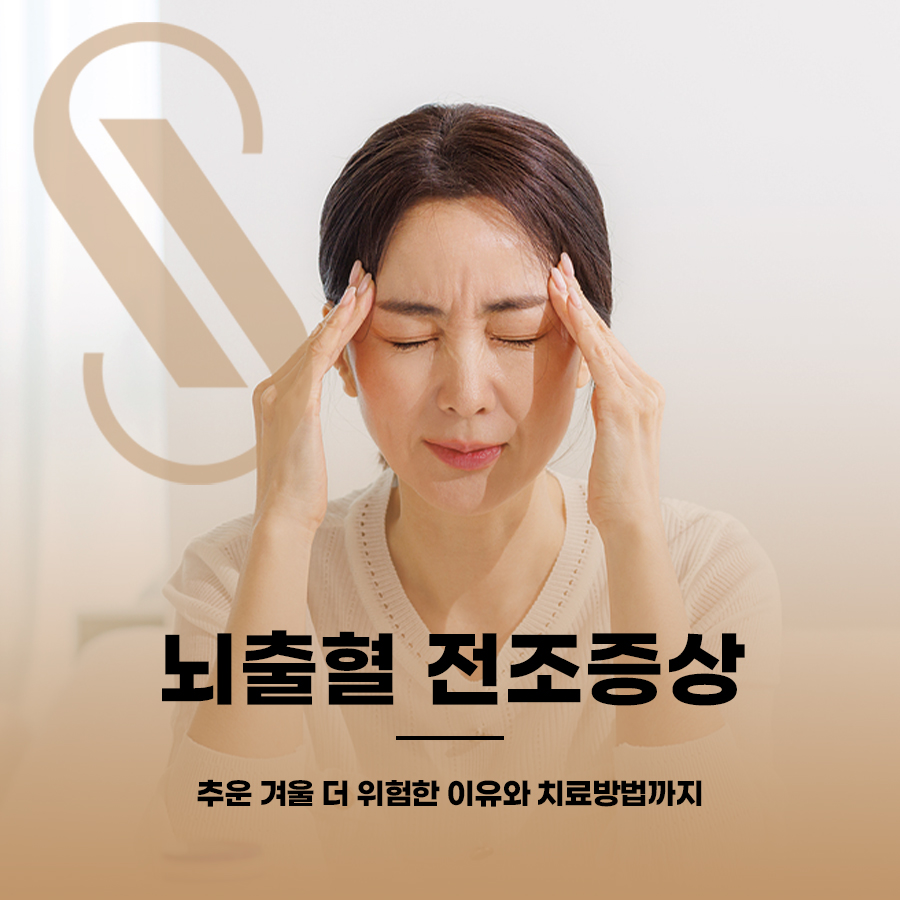
🧠 What kind of condition is a cerebral hemorrhage?
The brain, which supports our body, is an organ essential for sustaining life and receives oxygen and nutrients through numerous blood vessels.
When these brain blood vessels burst due to pressure or impact and blood accumulates in brain tissue, the condition is called cerebral hemorrhage. It is often also called hemorrhagic stroke.
Blood collected inside the brain (a hematoma) can compress and damage surrounding normal brain tissue, leading to serious aftereffects or a life-threatening situation. The main cause of cerebral hemorrhage is hypertension, and it can also occur when a weak area of a blood vessel, such as a cerebral aneurysm, ruptures or due to cerebrovascular malformations.
It often occurs suddenly, so rapid response is important.

🚨 Warning signs of cerebral hemorrhage, here is how they appear
Before a problem develops in the brain blood vessels, the small warning signals our body sends are called warning signs of cerebral hemorrhage.
Even if these warning signs appear and then recover, do not feel reassured; you must still visit a hospital.
A headache of a severity you have never experienced before suddenly appears, to the point that it is described as a “thunderclap headache.”
This is the most common warning sign of cerebral hemorrhage and one that should not be missed.
- Paralysis and numbness in the arms and legs
Weakness in one arm or leg, tingling paralysis symptoms, or reduced sensation may appear.
You may even suddenly drop something you are holding. This is also one of the 대표적인 warning signs of cerebral hemorrhage.
- Dizziness and loss of balance
You may suddenly feel very dizzy or have trouble walking, stumbling like a drunk person.
- Language disorder and speech abnormalities
Speech may become slurred (dysarthria), or warning signs of cerebral hemorrhage may appear, such as not understanding what the other person is saying or being unable to speak properly.
Suddenly not being able to see out of one eye or seeing objects double can also be warning signs of cerebral hemorrhage.
These symptoms may be accompanied by nausea and vomiting along with a headache.
If any one of these warning signs of cerebral hemorrhage appears suddenly, call 119 immediately or go to the emergency room.
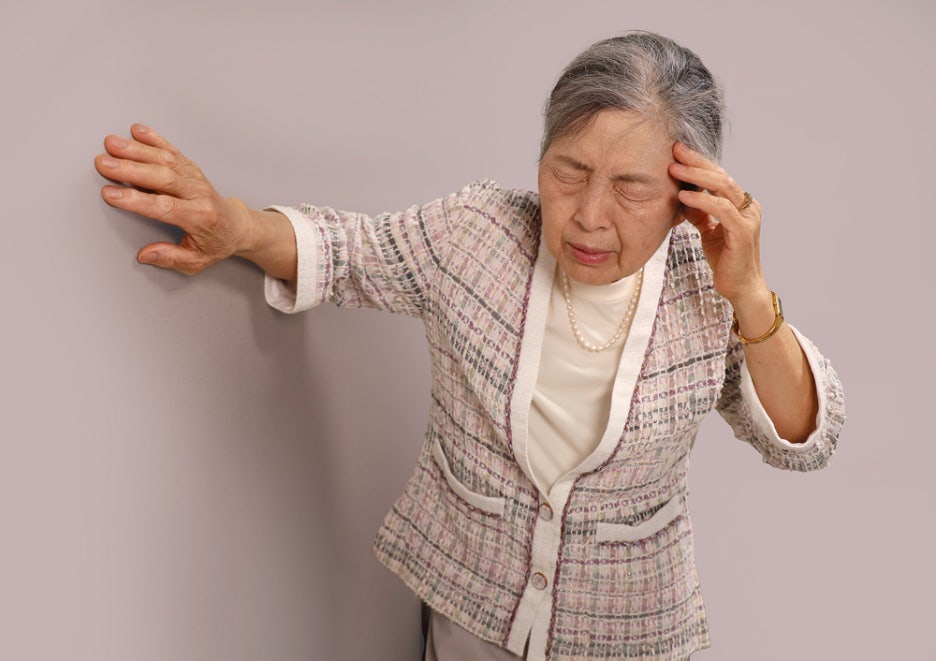
❄️ Why cerebral hemorrhage is especially dangerous in winter
Particularly cold winter weather is a red flag for vascular health. When the temperature drops, the body constricts the skin blood vessels to maintain body temperature,
and as a result, blood pressure rises sharply.
Blood vessel constriction and blood pressure rise:
When exposed to cold air, the sympathetic nervous system becomes activated, narrowing blood vessels and increasing the heart rate, which causes blood pressure to soar.
This is especially fatal for people with hypertension, and the weak brain blood vessels are under excessive pressure, increasing the risk of rupture.
Sudden temperature differences between indoors and outdoors:
A rapid temperature change occurs when you suddenly go from a warm indoor space to a cold outdoor space, or when you are exposed to cold air right after waking up in the morning.
Such large temperature differences place momentary stress on blood vessels, making the risk even higher.
Therefore, people whose blood pressure is not well controlled, as well as older adults, should reduce the indoor-outdoor temperature difference in winter and pay special attention to staying warm.
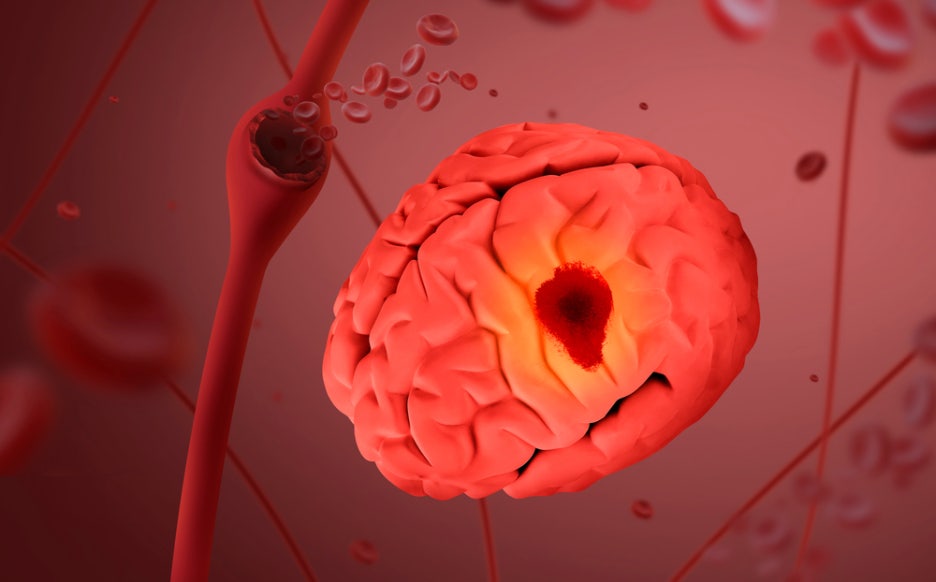
💊 Treatment methods and response guide
For cerebrovascular disease, the key to saving lives and minimizing aftereffects is not missing the “golden time” after onset.
✅ Emergency response (protect the golden time!)
If the symptoms mentioned above, including warning signs of cerebral hemorrhage, appear suddenly, call 119 immediately without hesitation.
When you find a patient nearby, lay them down comfortably and secure the airway, and until they reach the hospital, never give them medicine on your own,
water, or take actions such as pricking a finger.
✅ Treatment methods
The treatment direction is determined by the size and location of the bleeding and the patient's condition.
Medication treatment:
If the amount of bleeding is small or if it occurs in a location where surgery is not possible, medication is prioritized to control blood pressure and lower intracranial pressure.
Surgical treatment:
If the hematoma pressing on the brain tissue is large or life-threatening, procedures such as craniotomy to open the skull and remove the hematoma, or minimally invasive stereotactic hematoma removal,
are performed to eliminate the cause of the bleeding and reduce pressure. With the development of modern medicine, delicate surgical approaches are possible, and the burden of error has decreased.


✅ Prevention is best
Thoroughly managing major causative conditions such as hypertension, diabetes, and hyperlipidemia, and maintaining a healthy lifestyle through no smoking, drinking in moderation, and regular exercise is
most important. In the cold winter, pay attention to staying warm with a scarf, hat, and other items when going বাইরে,
and especially when waking up in the morning, move slowly to prevent sudden blood pressure changes.









Previous image
Next image