Hello! Today’s topic is one we may experience at least once in our lives, or hear about from people around us: the health signal known as “bloody stool.”
If blood suddenly appears mixed in with stool, anyone would feel startled and worried.
It may simply be hemorrhoids, but sometimes it can also be a serious warning sign from the body.
❓ What causes bloody stool?
The condition in which blood is mixed with stool is broadly called bloody stool. Depending on where the bleeding occurs, this symptom can appear in a wide variety of colors.
It can range from bright red blood that looks vivid and fresh, to black, sticky stool similar to jjajangmyeon.
In this way, the reason for bloody stool varies depending on the location and depth of the bleeding.
Bright red bleeding: This usually appears when bleeding occurs in the lower gastrointestinal tract close to the anus (the rectum, anus, and so on). Because the blood is expelled quickly with stool after bleeding occurs,
the blood has not changed.
It is commonly seen in anal conditions such as hemorrhoids or anal fissures.
Dark red or black bleeding (melena): This appears when bleeding occurs in the upper gastrointestinal tract, such as the stomach or duodenum. The blood meets digestive juices and, over time,
changes chemically and appears black. Melena is also one of the reasons for bloody stool, and conditions such as ulcers or hemorrhagic gastritis may be suspected.
Whatever the reason for bloody stool may be, long-term bleeding can cause anemia and harm your health, so identifying the exact cause is important.
🩺 Representative conditions to suspect when there is bloody stool
There are many conditions that can cause blood to appear in stool. From mild conditions to serious ones that require immediate treatment,
let’s look at the representative conditions that can be reasons for bloody stool.
Anal conditions (hemorrhoids, anal fissures, fistula): The most common reason for bloody stool. Hemorrhoids in particular are characterized by bright red blood dripping or staining the stool during bowel movements.
Diverticular bleeding: Bleeding caused by a blood vessel rupturing in a small pouch in the colon wall (a diverticulum). In older adults, this can be a reason for sudden, large amounts of bleeding and bloody stool.
Inflammatory bowel disease (Crohn’s disease, ulcerative colitis): These are conditions in which chronic inflammation develops in the colon or small intestine, and diarrhea, abdominal pain, and stools mixed with mucus and blood (mucous bleeding) are the main reasons for bloody stool.
Peptic ulcers (stomach ulcer, duodenal ulcer): The most common cause of upper gastrointestinal bleeding, and in this case the blood is digested and turns dark, resulting in melena.
Colon cancer and rectal cancer: Bleeding caused by a growing malignant tumor is also an important reason for bloody stool.
It may appear along with other symptoms such as thinner stools or changes in bowel habits.
⚠️ If this happens, you must go to the hospital!
Although it may simply be a symptom caused by hemorrhoids or a mild inflammation, in the following cases you should go to a hospital (internal medicine, gastroenterology, surgery, etc.) without delay
for an accurate diagnosis.
-
When the amount of bleeding is large and symptoms of anemia such as dizziness or fainting are present
-
When black stool (melena) continues to appear
-
When blood is mixed with stool and is accompanied by severe abdominal pain or vomiting
-
When weight loss occurs recently without a special reason, or there is a change in bowel habits
-
Even if the bleeding is bright red, when it is frequent and heavy enough to disrupt daily life
If you ignore blood in the stool and leave it untreated, even a simple condition can worsen or the diagnosis of a serious disease can be delayed.
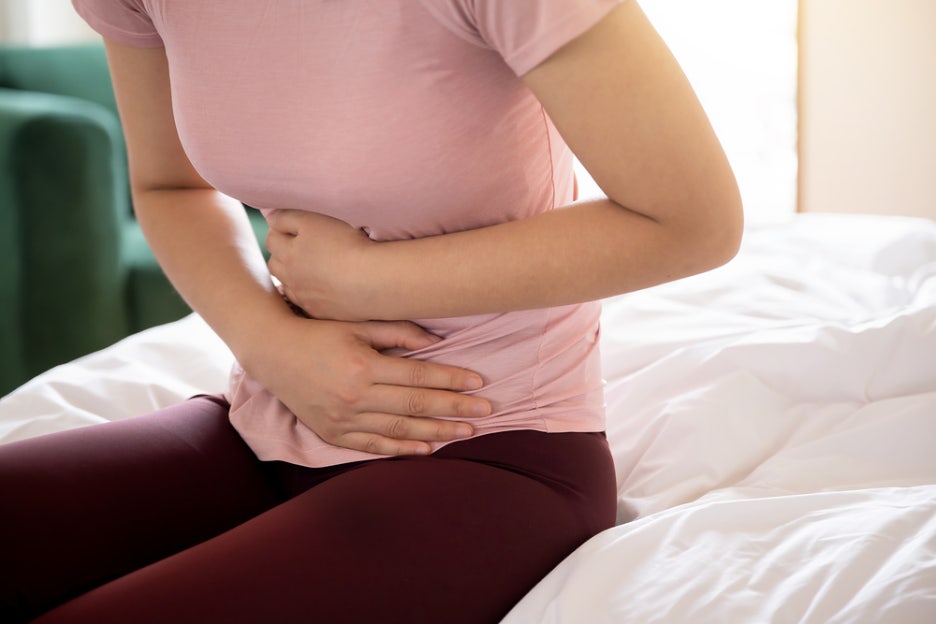
🌿 Lifestyle tips for protecting gut health
A large part of the reasons for bloody stool is closely related to diet and lifestyle. The best approach is to prevent it in advance by keeping your gut healthy!
Adequate intake of water and fiber: Prevents constipation and helps bowel movements go smoothly, protecting anal health. Eat plenty of vegetables, fruits, and whole grains.
Regular bowel habits: Sitting on the toilet too long or straining excessively puts pressure on the anus.
It is better to relieve the urge to defecate as soon as you feel it.
Moderate exercise: Physical activity promotes intestinal peristalsis and helps digestive health.
Stress management: Stress can weaken digestive function and worsen inflammation. Find your own way to relieve stress.
As we learned today, blood mixed in stool can have many different reasons. Do not take it lightly,
and it is important to listen to the signals your body is sending. Please remember that a healthy gut is the foundation of an energetic life!









Previous image
Next image