
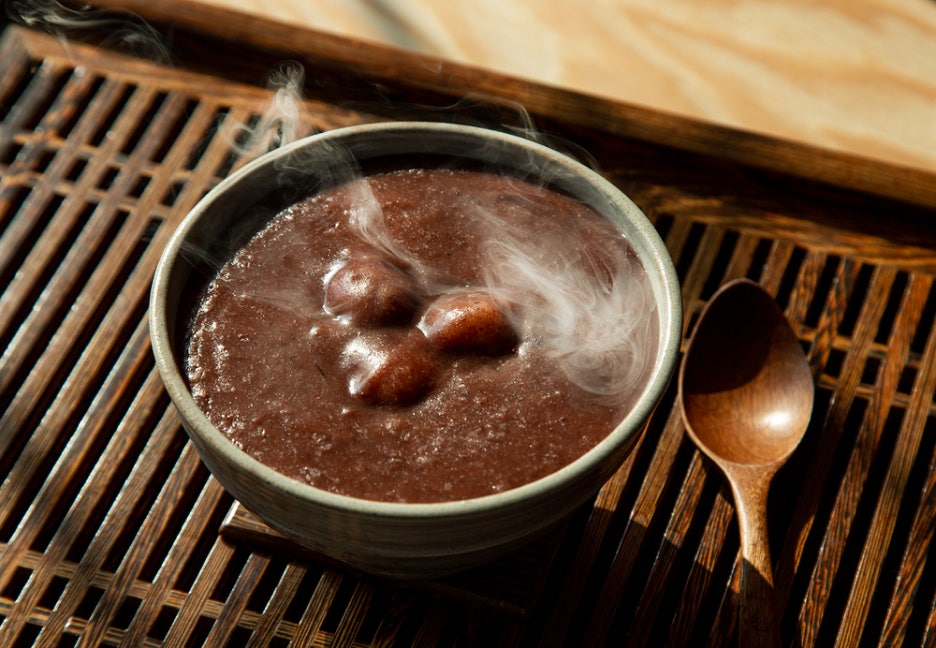
When the cold winter wind starts to blow, a steaming bowl of thick red bean porridge becomes especially appealing.
Since ancient times, our ancestors have made and shared food using this red ingredient on the Winter Solstice, the day with the longest night of the year.
It has remained a beloved ingredient not only because it tastes good, but also because of its special meaning and rich nutrients.
Today, we will take a closer look at what this small red bean does for our bodies and why it became the star of the Winter Solstice. 😊
🫘 What are the benefits of red beans?
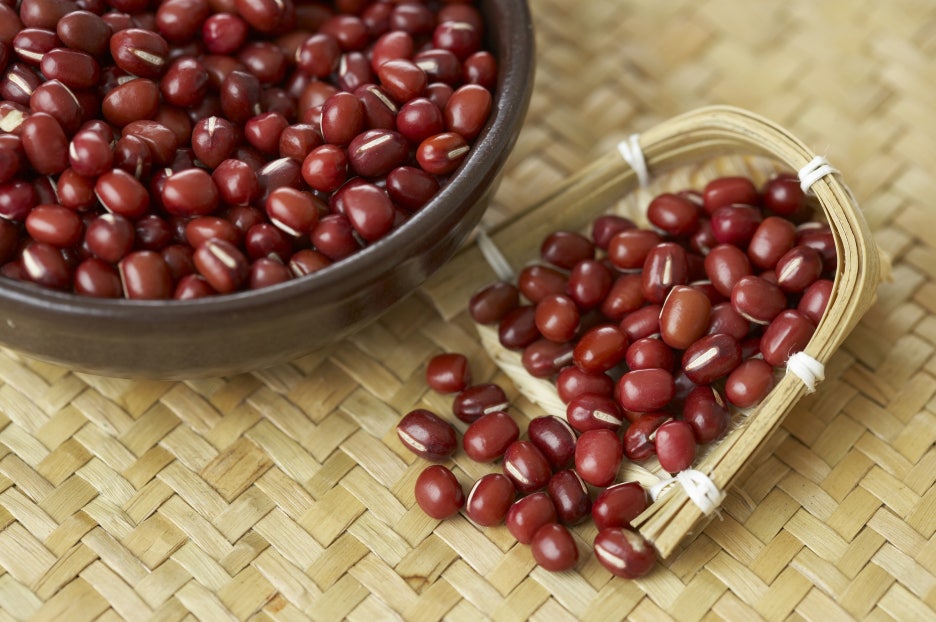
This red grain is often called a “gem among grains” because it contains a wide variety of nutrients.
The first major red bean benefit is its powerful antioxidant effect. Anthocyanins and saponins, which are abundant in the skin, help remove free radicals in the body,
slow aging, and keep blood vessels clean. It is also a great option for people whose bodies tend to swell easily.
The second red bean benefit is its excellent diuretic effect. It is rich in potassium, which helps flush excess sodium out of the body.
This makes it effective for reducing puffiness the day after eating salty foods. Another surprising benefit is that it contains more than 10 times as much dietary fiber as apples.
This is one of the red bean benefits that stands out most. It helps promote bowel movement and becomes a reliable helper for people struggling with constipation.
The third red bean benefit worth mentioning is fatigue relief and energy replenishment. It contains large amounts of vitamin B complex, which helps digest and absorb carbohydrates and
stabilizes the nervous system. This is why people reach for it when they feel low on energy in summer or when their immunity drops in winter.
The fourth red bean benefit is anemia prevention. Because it is rich in iron, it can have a positive effect on
women who often feel dizzy and on children who are growing.
Finally, its skin-care benefits are also an important red bean benefit. Saponins wash away waste on the skin and help control sebum inside the pores,
contributing to a clear and clean complexion. Isn’t it amazing that so many benefits for our health are packed into such a small bean? ✨

🕯️ Why do we eat red bean porridge on the Winter Solstice?
The Winter Solstice, which arrives around December 22 each year, is the time when the day is shortest and the night is longest. In the past, people called this day “Little New Year” and treated it as an important occasion.
Why, then, did they specifically cook and eat red porridge? The reason lies in its color.
According to the traditional Eastern philosophy of yin-yang and the five elements, red symbolizes the energy of “yang.”
On the Winter Solstice, when the night is longest and the energy of “yin” becomes strongest, people ate red foods or scattered them around the house in an effort to drive away bad energy and misfortune.
This came from folk beliefs that evil spirits are afraid of the color red. 👹
There is also a practical reason. Winter is a time when it is difficult to find fresh vegetables and fruit.
At that time, this ingredient, which was stored grain rich in protein and vitamins, was a great famine food that helped make up for missing nutrients.
In other words, our ancestors’ wisdom managed to take care of both religious rituals and health at the same time.
⚠️ Side effects to be aware of when consuming it
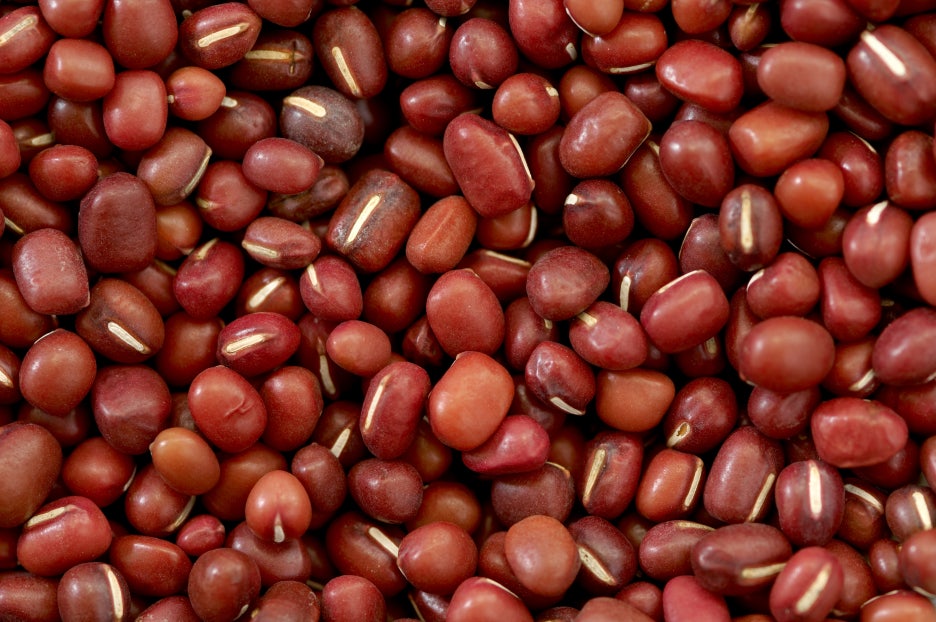
No matter how good a food is, too much of it can be harmful. This grain is naturally cooling in nature.
Therefore, people whose bodies are very cold or whose digestion is weak may experience stomach pain or diarrhea if they eat a large amount at once. 🧊
In particular, saponins promote diuretic action, so people with weak kidney function need to be careful when consuming it.
If you eat it too often, too much water may leave the body, which can leave you feeling drained. Also, many products sold on the market contain
excessive sugar, so if you have diabetes, it is recommended that you cook it yourself.
🔥 Calorie and daily intake guide
If you are on a diet, you may be wondering about the calories. When boiled, it contains about 110–140 kcal per 100 g. That is moderate for a grain, but when it is eaten in the form of porridge or sweet bean paste, sugar and glutinous rice dumplings are added, and the calories can jump to 300–500 kcal. 📈
Recommended daily amount: For adults, about 1/2 to 1 paper cup is appropriate.
Diet tip: Instead of sugar, add a little salt to bring out its natural sweetness, or simmer and drink it with coix seeds to maximize the waste-removal effect.
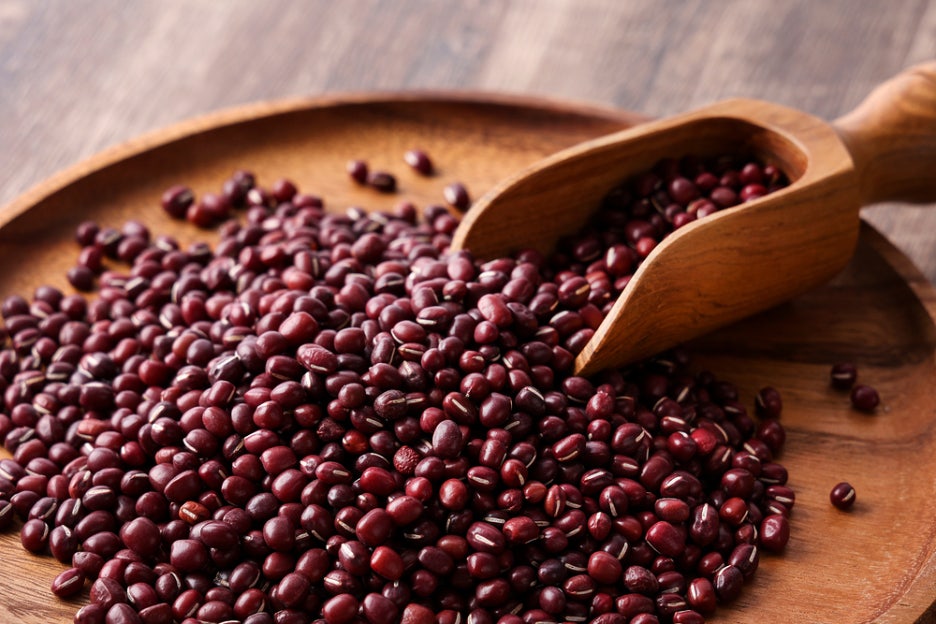
Cooking note: Since nutrients are concentrated in the skin, it is best to cook and eat it with the skin on.
Today we looked at the deep history and health information of this red grain. In the cold winter, why not drive away bad luck and fill your body with nutrients
with a warm bowl of porridge? If you enjoy it in the right amount, you may be able to spend this winter with more energy. 🏠









Previous image
Next image