
"Could it just be me?" Anxiety when your period is late 🕊️
When a normally regular cycle suddenly stops, anyone is bound to feel startled and anxious.
"Could something serious be wrong with my body?" or "Could I be pregnant?"
Thoughts like these can even keep you up at night. For modern women, changes in the menstrual cycle are more than just a health indicator
—they are a very important factor that affects everyday well-being. Today, for those facing this sudden situation,
we will kindly look at why it happens and how to deal with it.
�
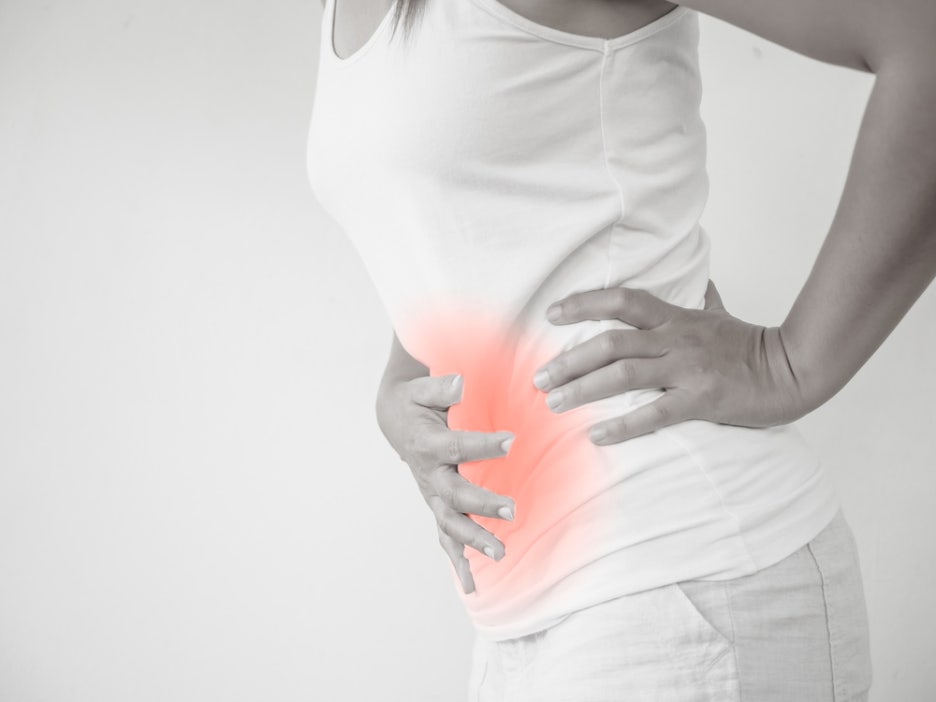
The most common cause when your period is late: your body’s sensitive response 🌡️
The first culprit to look at is excessive stress. A woman’s ovaries communicate closely with the hypothalamus and pituitary gland in the brain,
and when mental pressure builds up, errors occur in this communication pathway, leading to hormonal imbalance.
As a result, ovulation is pushed back, and your period naturally becomes delayed.
�
Rapid weight changes or extreme dieting also account for a large share. Body fat is involved in the production of female hormones, so
if you suddenly lose weight, your body may judge that "this is not a suitable environment to have a child right now" and temporarily pause the system.
Conversely, if you gain weight in a short period of time, changes in insulin levels can trigger ovulation problems and act as a major factor when your period is late.
�
Chronic fatigue and lack of sleep also cannot be ignored. A reversed day-night routine or an overly packed schedule
disrupts your biological rhythm and interferes with the shedding process of the uterine lining. Medication use or environmental changes,
even things that may seem minor, are also taken very sensitively by the body, so keep that in mind.
�
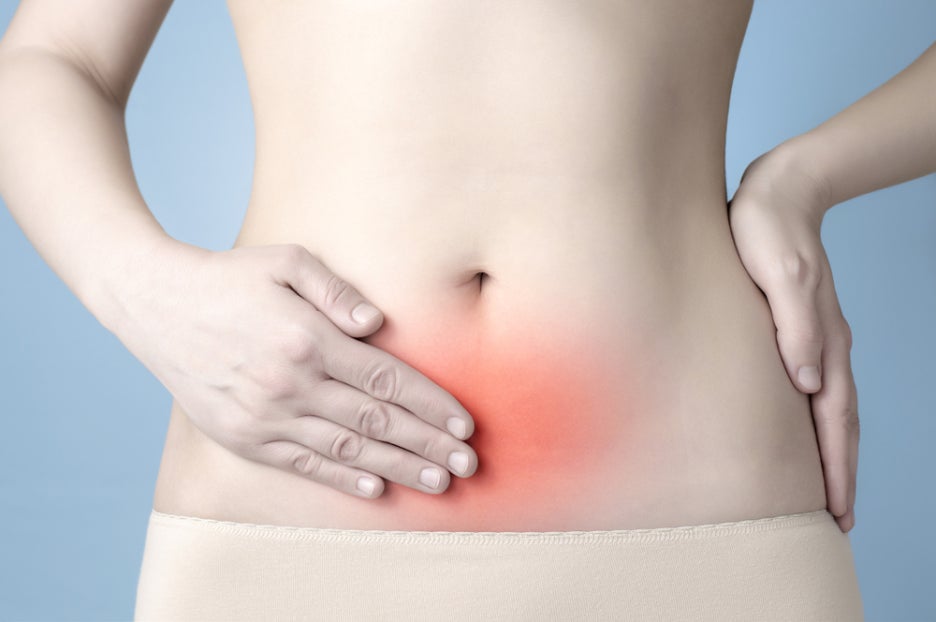
How can you tell if pregnancy is possible? Check points 🤰
If you have had sexual intercourse, the first possibility that comes to mind is definitely pregnancy. Distinguishing simple poor condition from pregnancy starts
by observing a few symptoms. During the process in which the fertilized egg settles into the uterus, a small amount of bleeding called "implantation bleeding"
may appear. This is much lighter in amount and shorter in duration than typical spotting.
�
Also, if your breasts feel swollen and painful, you feel more tired than usual, or you find yourself needing the restroom more often,
it is best to use a pregnancy test. If there is no sign even about a week after the expected date,
checking with the first urine of the morning is the most reliable. If your period is late and the symptoms continue even though you are not pregnant,
you should consider other endocrine diseases.
�
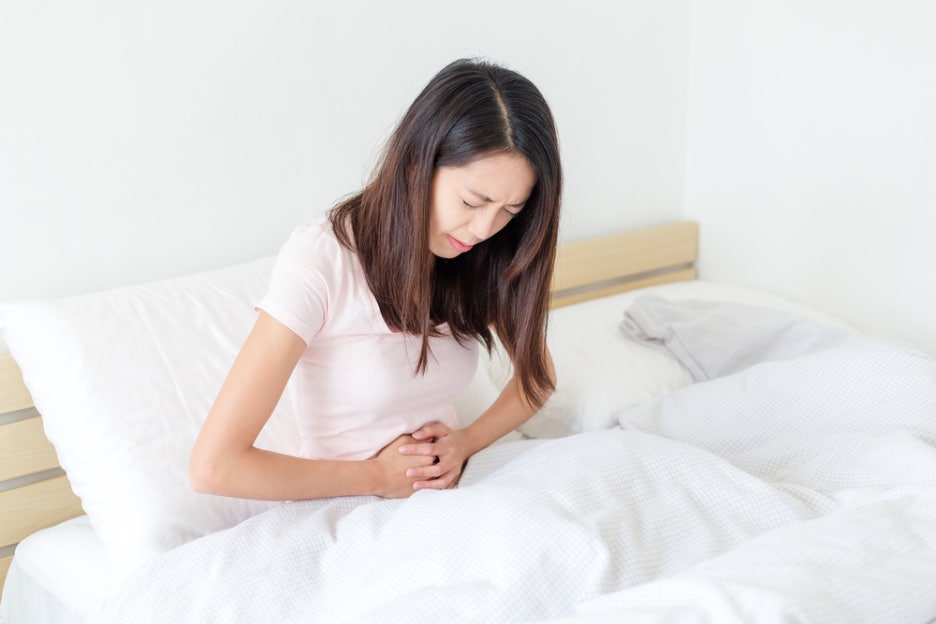
In these cases, a hospital consultation is needed: signals your body is sending ⚠️
A cycle being delayed once or twice can sometimes be resolved with rest, but there are moments when you must seek help from a specialist.
First, if amenorrhea continues for more than 3 months, you should get tested while considering the possibility of "polycystic ovary syndrome" or early menopause.
�
In particular, if severe lower abdominal pain is accompanied by an increase in abnormal discharge, or if irregular bleeding is mixed in,
an organic condition such as uterine fibroids or an ovarian cyst may be the cause.
Rather than simply leaving it alone and thinking "I’m just tired," when your period is late, getting an accurate
check of your condition through an ultrasound or blood test is the smartest way to protect your future health.

Habits that may help manage your menstrual cycle: finding a healthy rhythm 🧘♀️
To correct an irregular flow, it is important to raise the comfort level of your daily life.
Keeping your lower abdomen warm at all times and enjoying a half-body bath or foot bath can improve blood circulation in the pelvis and help stabilize your cycle.
Also, low-intensity exercise such as yoga or a light walk can lower cortisol levels and help stabilize hormones.
�
In terms of nutrition, it is good to reduce caffeine and alcohol and make sure to eat nuts and
green leafy vegetables that are rich in magnesium and B vitamins. Above all, try to develop the habit of carefully tracking your cycle.
If you record it with a dedicated app, when your period is late you can understand what situation you were in
(exam period, heavy workload, etc.) and identify patterns, allowing you to respond much more flexibly.
�
Lastly, our body is like an honest mirror. When your period is a little late, it may be
a desperate message from your body saying, "You’re pushing yourself too hard right now, so please take a little rest."
Why not start today by giving yourself a warm cup of tea and some deep rest?
�










Previous image
Next image
�
�