📂 Table of Contents
🌸 What does Udambaraflower mean? 🕯️
📜 The legend that it blooms once every 3,000 years ✨
🔍 A summary of real cases where Udambaraflower was found 🔎
🧠 Misconceptions and interpretations of Udambaraflower 🤔
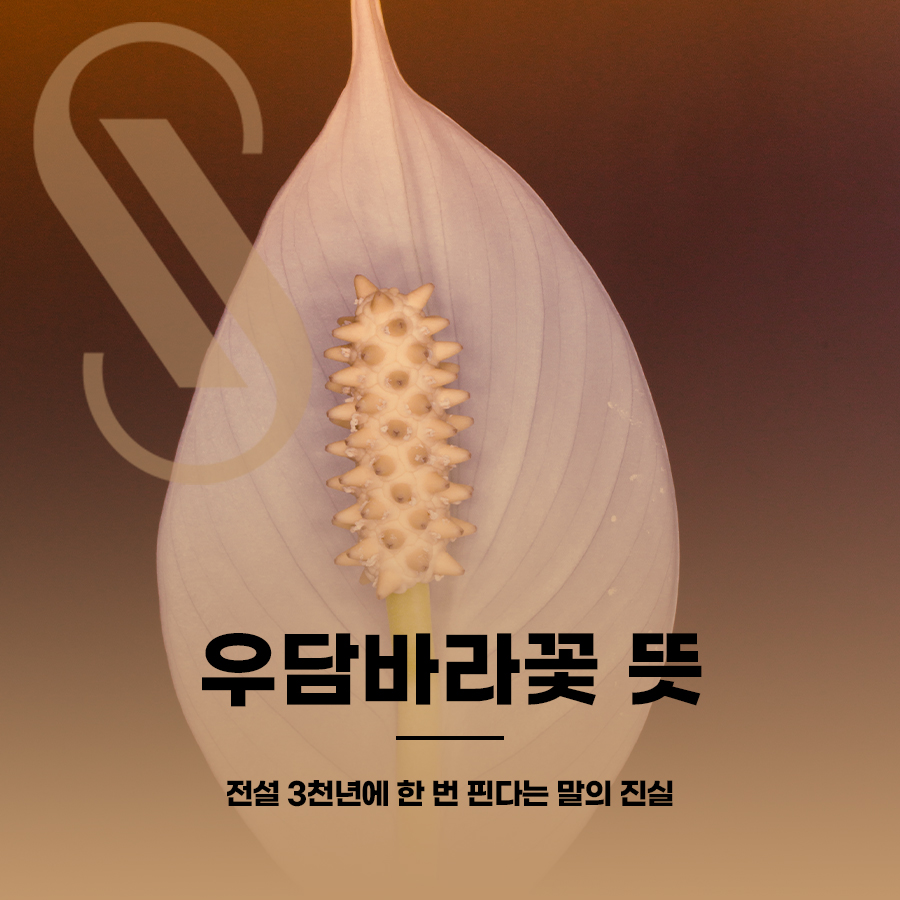
🌸 What does Udambaraflower mean? 🕯️
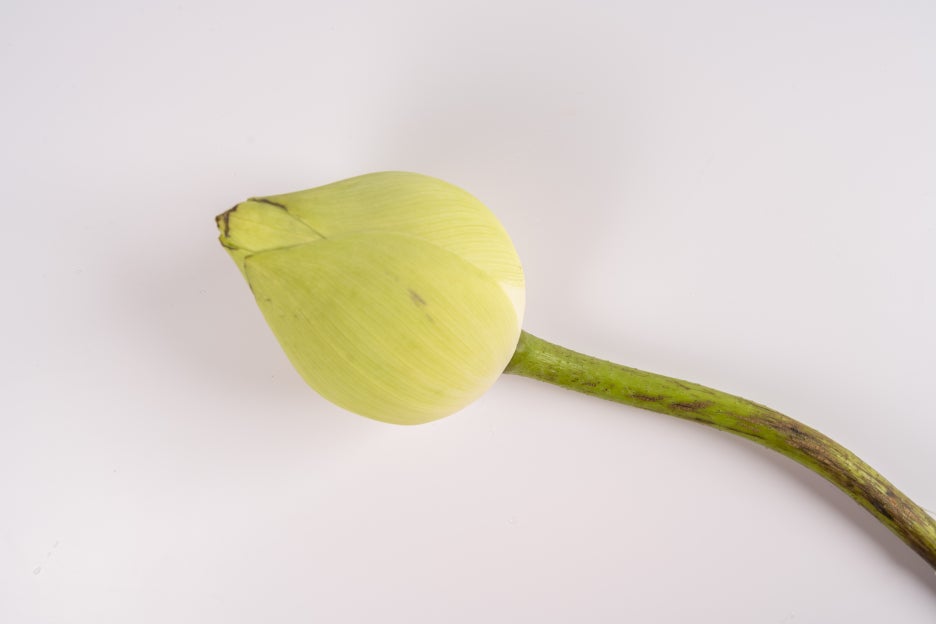
This plant, often imagined as a mystical being, is a name that originates from Buddhist scriptures. It is the transliteration into Chinese characters of the Sanskrit word “udumbara.”
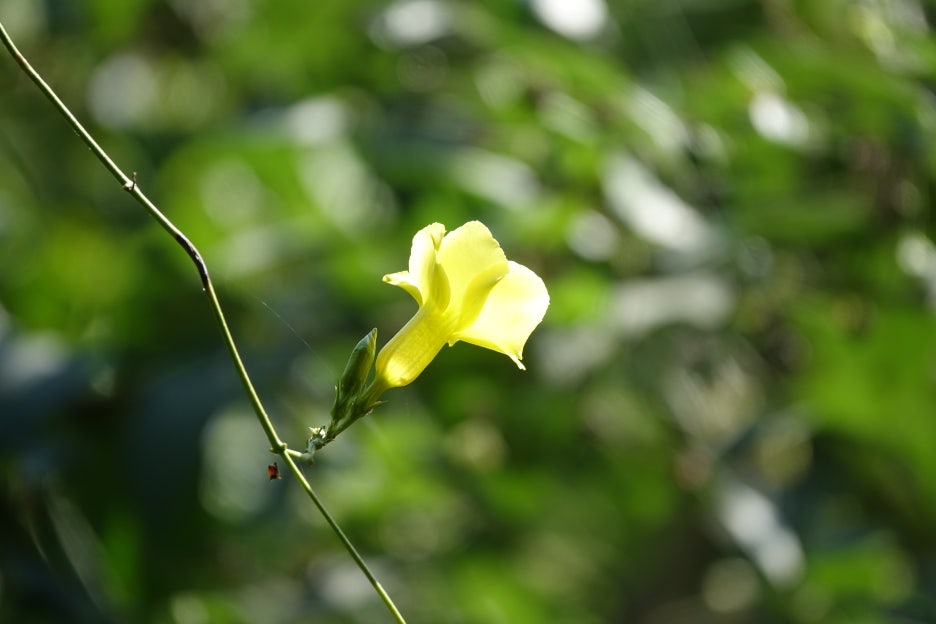
Originally, it refers to a type of mulberry family plant that grows naturally in India. But in a religious sense, the meaning of Udambaraflower goes beyond a simple botanical classification and carries the symbolism of “a rare and auspicious sign in the world.”
In Buddhist circles, seeing this strange plant bloom is considered as difficult as plucking a star from the sky. For that reason, it is accepted as a sacred phenomenon that appears when a very precious guest arrives or when a national celebration occurs. In the end, the meaning of Udambaraflower can be said to be a metaphorical expression for a rare stroke of luck or a moment of enlightenment that is not easily encountered in our lives.
📜 The legend that it blooms once every 3,000 years ✨
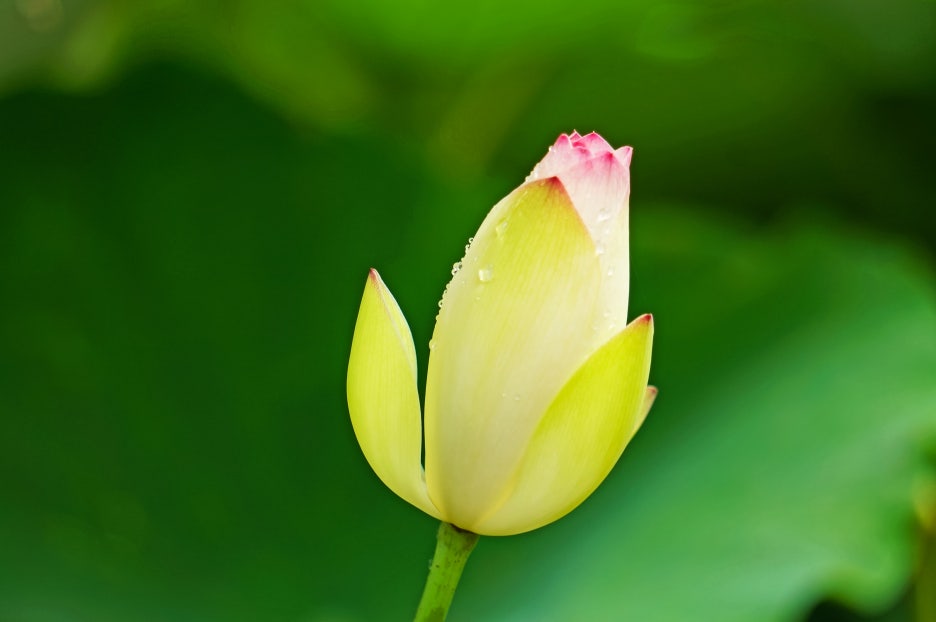
According to old records, this mysterious being is said to appear only once every 30 centuries. In particular, there is an interesting story that it blooms thanks to the appearance of an ideal monarch called a “wheel-turning king.” For this reason, whenever people think of the meaning of Udambaraflower, they also often include a wish for a peaceful and just world.
Three thousand years is a span of time far beyond what a human lifetime can measure. Rather than a literal physical period, this figure is best understood as a literary expression used to emphasize that witnessing this flower is nearly miraculous. Among Buddhist practitioners as well, the meaning of Udambaraflower has long been revered as a precious result attained through unwavering practice.
🔍 A summary of real cases where Udambaraflower was found 🔎
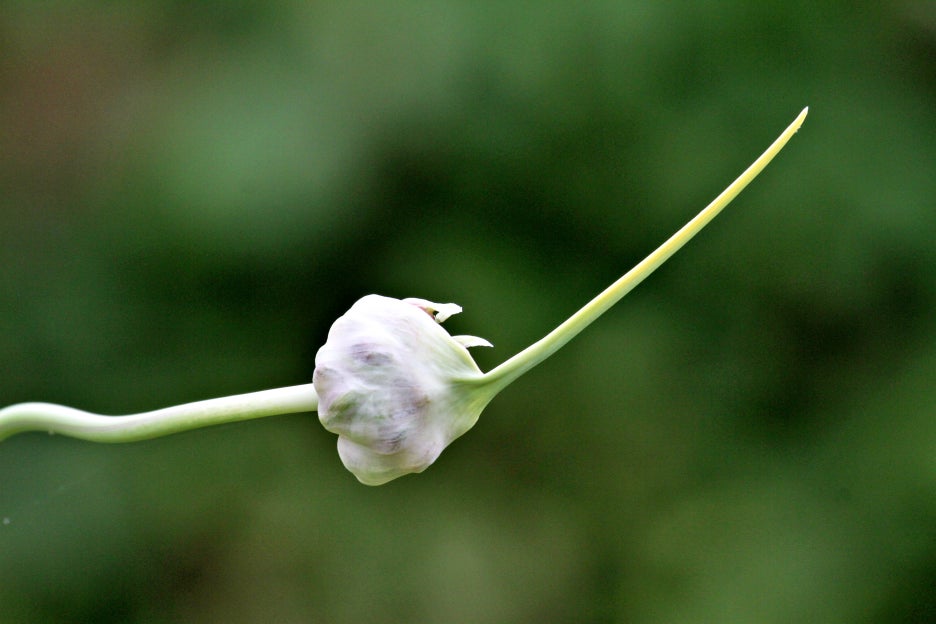
In modern times, reports have continued to emerge of people seeing this flower on Buddhist statues in temples, on window frames in lecture halls, and even on the insect screens of ordinary homes. It looks like a very small oval grain hanging at the end of a thin, white, threadlike stem, and when the wind blows, its delicate movement creates a strange sense of mystery. Seeing it, people would often cheer that the meaning of Udambaraflower had finally come to life as an auspicious sign.
In Korea as well, there have been many times when this shape was found on the face of a statue at a large temple or on a wooden pillar, becoming a major topic of conversation.
Recently, it was discovered at Tongdosa Temple, causing quite a stir. Why are we so fascinated by it?
Observers also strengthen their faith by seeing that this tiny white object does not wither and keeps its shape even after several days. Although scientific debate may follow, for those who see it with their own eyes, it becomes a meaningful experience that brings peace of mind.
🧠 Misconceptions and interpretations of Udambaraflower 🤔
What many people are most curious about is its true identity. According to botanists’ analysis, most of the cases found in urban areas are very likely “green lacewing eggs.” Green lacewings lay their eggs at the end of a very thin, long, threadlike stalk to protect them, and the shape is remarkably similar to the description found in scriptures.
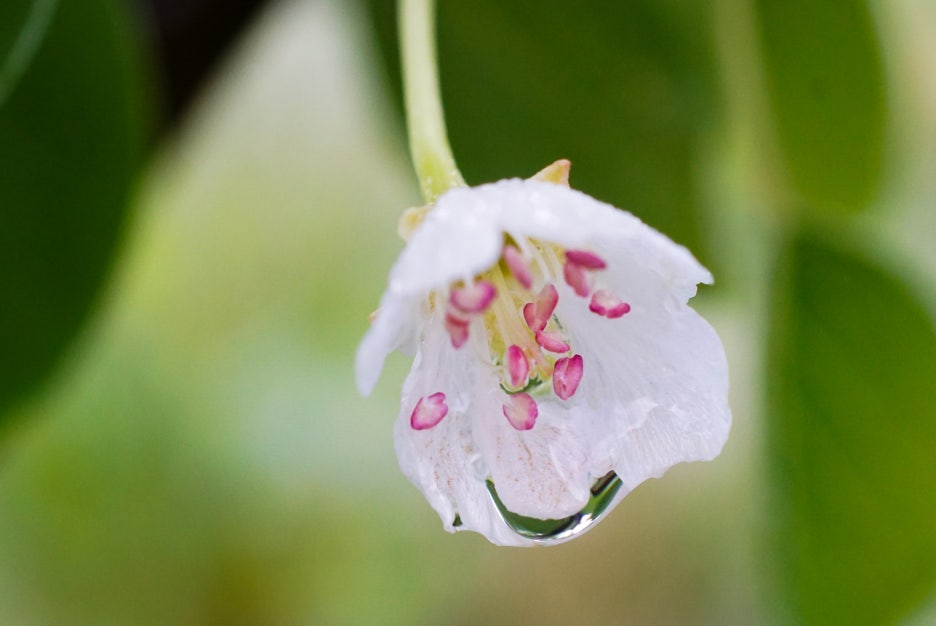
However, even if scientific facts are revealed, the meaning of Udambaraflower does not lose its value. If we earnestly look at something and find hope in it, then whether the object is insect eggs or a plant, positive energy has already blossomed within our hearts. Rather than dismissing it as superstition, if we use it as a chance to hold a solemn 마음 for a moment amid a harsh daily life, I think its value is more than enough. 🌿









Previous image
Next image