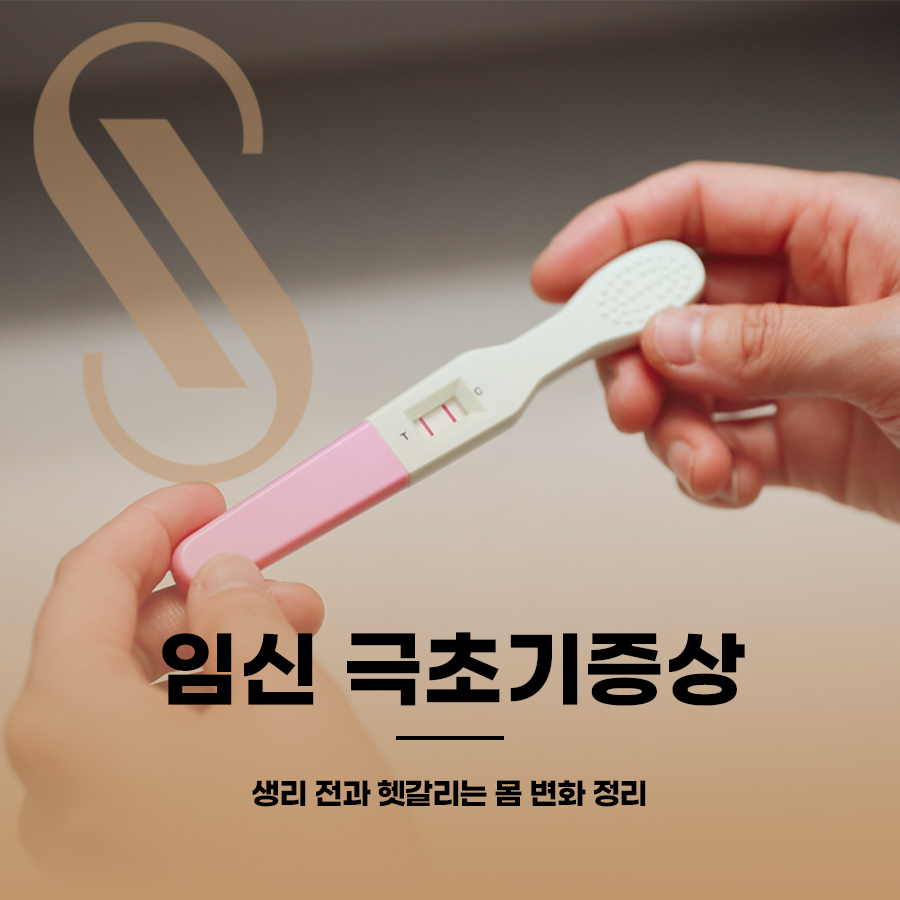
For those waiting for pregnancy, during that time of the month that comes around every month, you end up paying close attention to every tiny signal your body shows. Whenever you feel something a little different from usual,
you may find excitement and anxiety alternating with thoughts like, “Could it be?” In particular, very early pregnancy symptoms are astonishingly similar to premenstrual syndrome, so many people feel confused. Today, let’s look together at why the two conditions are bound to be mixed up and what points you should pay close attention to.
🤰 What Are Very Early Pregnancy Symptoms?
This usually refers to the very short period when a fertilized egg implants in the uterus. It generally means about one to two weeks after fertilization, and during this time hormonal changes occur rapidly, causing unexpected reactions throughout the body. Very early pregnancy symptoms that many people experience vary greatly from person to person, so some people feel nothing at all while others react sensitively. Biologically, you can understand it as the process of the body trying to adapt to a new environment as the pregnancy hormone HCG levels rise.
🗓️ Body Changes That May Appear in Weeks 1 to 4 of Pregnancy
The first change to appear is undoubtedly fatigue. You may feel unusually sleepy and your body may feel heavy. In addition, some people experience implantation pain, a stabbing sensation in the lower abdomen, and changes such as breast fullness or increased sensitivity around the nipples are also common. One of the representative very early pregnancy symptoms is a slight fever; your body may feel chilly as if you have caught a cold, or your basal body temperature may remain elevated. Some people also experience light brown or pinkish bleeding called implantation bleeding, which is characterized by a very small amount and stopping quickly. Sensitivity to smell may increase, causing sudden nausea from certain odors, and taste changes often occur as well.
🔍 Why It Is Easy to Confuse It with Premenstrual Symptoms
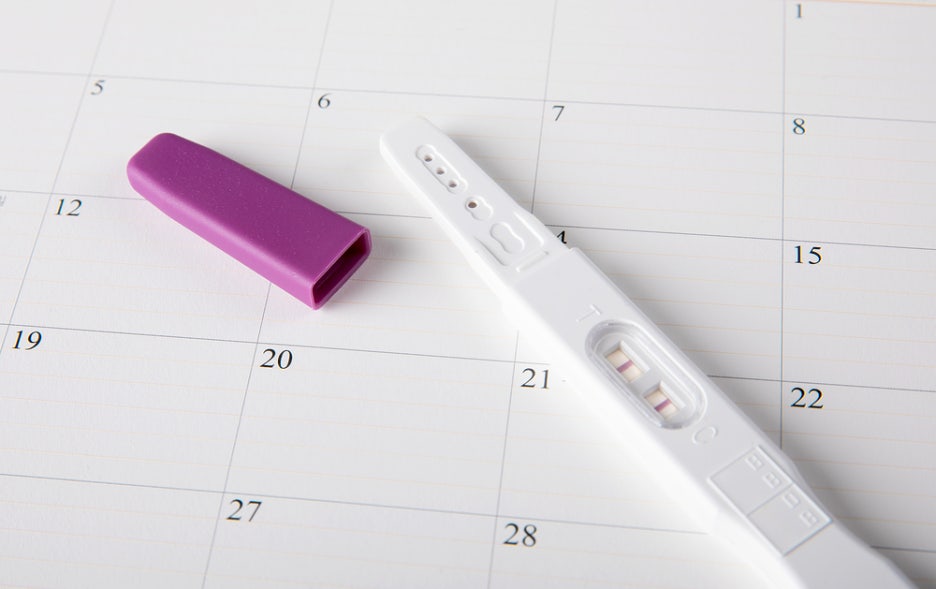
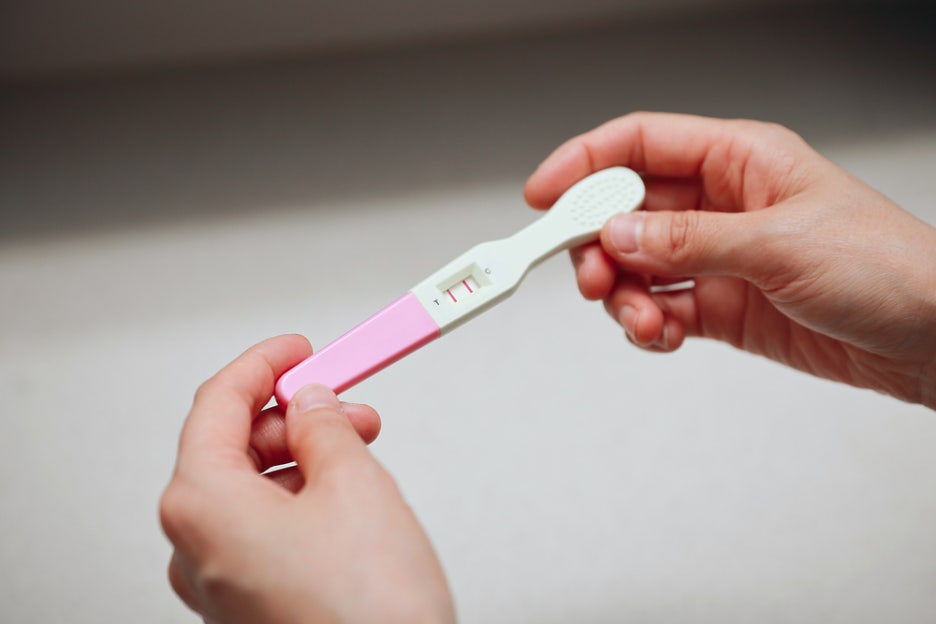
Why is it so difficult to tell them apart? The reason is that both situations are affected by a hormone called progesterone. This hormone helps keep the uterine lining thick and raises body temperature, and it is secreted in large amounts after ovulation whether pregnancy has occurred or not. So swelling, sensitivity, and lower abdominal pain appear in almost the same way. Because very early pregnancy symptoms are similar to premenstrual symptoms, many people miss the timing or end up disappointed. In the end, the most accurate way is a pregnancy test taken after the expected period date has passed. That is because hormone levels must build up enough to be detected before a clear result can be obtained.

⚠️ Lifestyle Habits to Be Careful About in the Very Early Stages of Pregnancy
If you have even the slightest suspicion, there is no harm in being careful for a while. First of all, of course, you should avoid alcohol and smoking. Caution is also needed with medication. Even supplements or pain relievers you usually take should be used only after consulting a specialist. In addition, instead of intense exercise, focus on light walks and try to keep your body warm. Rather than stressing yourself out while being conscious of very early pregnancy symptoms, it is most important to listen to the signals your body is sending while staying calm. Instead of becoming too impatient just because you feel very early pregnancy symptoms, I hope you can calmly continue preparing to welcome a precious life. Also remember to reduce excessive caffeine intake and maintain a regular sleep routine. I support you in hoping that small changes will lead to great results.









Previous image
Next image