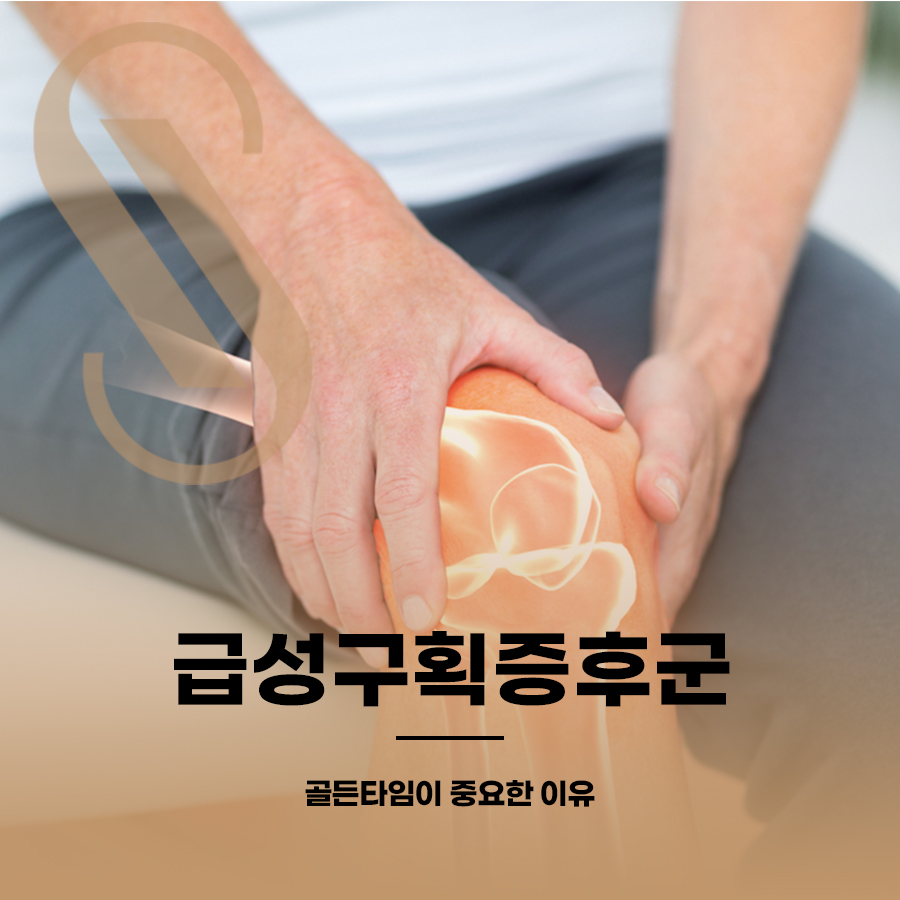
Hello! Today, we’re going to take a very easy and detailed look at acute compartment syndrome, the silent scream our body sends that can lead to irreversible consequences if left untreated. If you usually enjoy exercising or happen to suffer an unexpected injury, this is far too dangerous to dismiss as just a little swelling. From now on, let’s break down why this condition is called a fight against time!
🧠 Causes and structure of acute compartment syndrome
The muscles in our arms and legs are divided into something like rooms called “compartments.” These rooms are surrounded by a wall of tough fascia. But if trauma causes bleeding or swelling becomes severe due to inflammation, the pressure inside this closed space rises sharply.
When the pressure increases, the blood vessels and nerves inside begin to get compressed. It’s easy to think of it like being trapped in an overcrowded, packed subway train where it’s hard to breathe. This rise in internal pressure, which blocks blood flow, is the core mechanism of acute compartment syndrome. It goes beyond simply bruising; the muscle itself falls into a state of suffocation.

⚠️ Main early symptoms and signs
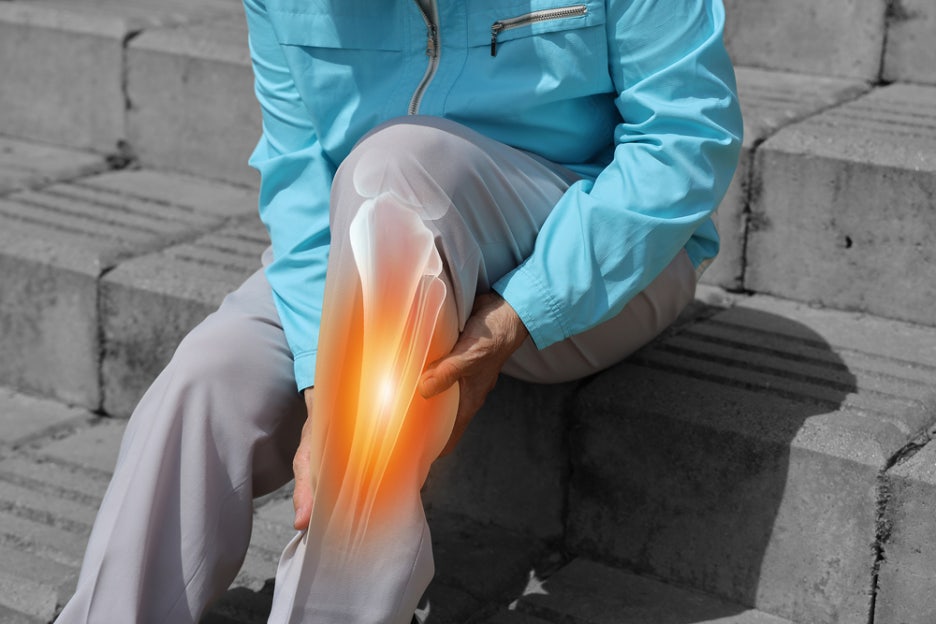
Recognizing the early signs of this condition is extremely important. In medicine, the “5 P’s” are often emphasized. The most representative sign is pain (Pain). The pain is far more intense than ordinary bruising and has the characteristic of not easing easily even after taking painkillers.
In addition, the affected area may swell tightly, feel hard to the touch, or the skin may turn pale. Numbness or paralysis-like symptoms are also strong warning signs that acute compartment syndrome is progressing. At this point, the most dangerous enemy is the complacent thought of, “It’ll get better with time.”
⏱️ Why the golden time and rapid response matter
Why is this disease especially associated with a “golden time”? The reason is the reversibility of muscle and nerve damage. Our muscles begin to undergo necrosis, meaning they start to die, about 4 to 8 hours after blood supply is cut off. Once muscle tissue has died, it cannot be revived, and this can lead to permanent disability or, in severe cases, the tragedy of needing to amputate part of the body.
Therefore, if acute compartment syndrome is suspected, you must go to the emergency room immediately. Deciding to “go to the hospital tomorrow morning” can leave lifelong regret. Because recovery chances differ dramatically depending on whether proper treatment is received within 6 hours, quick judgment is the only way to protect valuable bodily function.
🏥 How diagnosis and treatment proceed
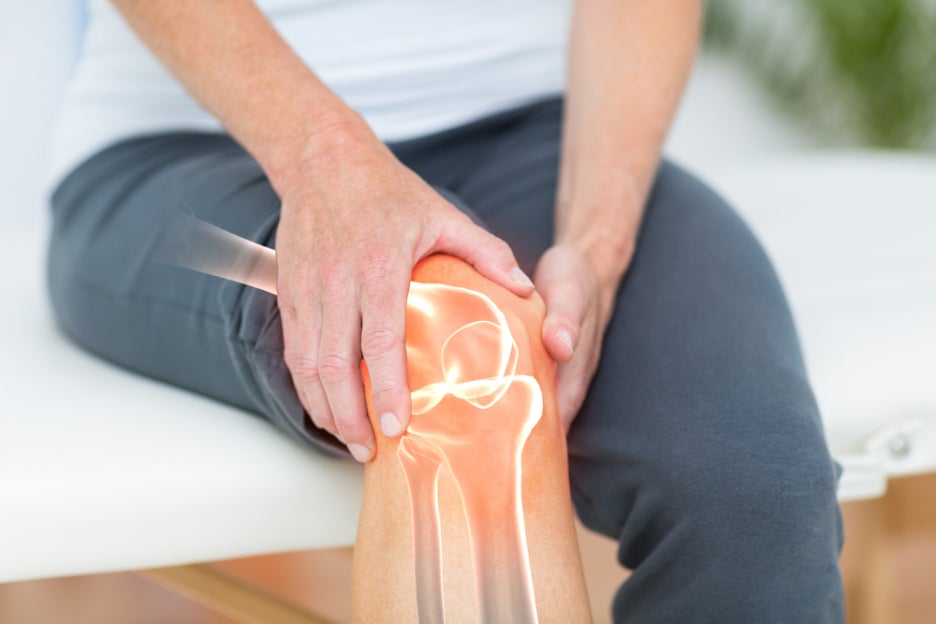
When you arrive at the hospital, the medical team first checks the pressure inside the muscle using a pressure measuring device. If the reading exceeds a certain standard, surgical treatment is considered without delay. The representative procedure performed at this time is a fasciotomy.
As the name suggests, this is surgery that makes an incision in the tough fascia that is causing the compression and opens up the internal space. The principle is similar to opening a tightly sealed lid to instantly lower the pressure. After surgery, the wound is left open until the swelling subsides, and once the condition improves, it is closed again. Although a surgical scar may remain, it is the best treatment available for preserving the limbs from acute compartment syndrome.
Rehabilitation is also essential. After the surgery is completed successfully, physical therapy must be carried out alongside treatment to loosen stiff joints and restore muscle strength in order to return fully to daily life.
Health is not something to overconfidently assume; it is something to observe carefully. Do not take abnormal pain that appears after a sudden injury lightly. The knowledge you gain by learning about acute compartment syndrome in advance will become the strongest shield for protecting your precious body!










Previous image
Next image