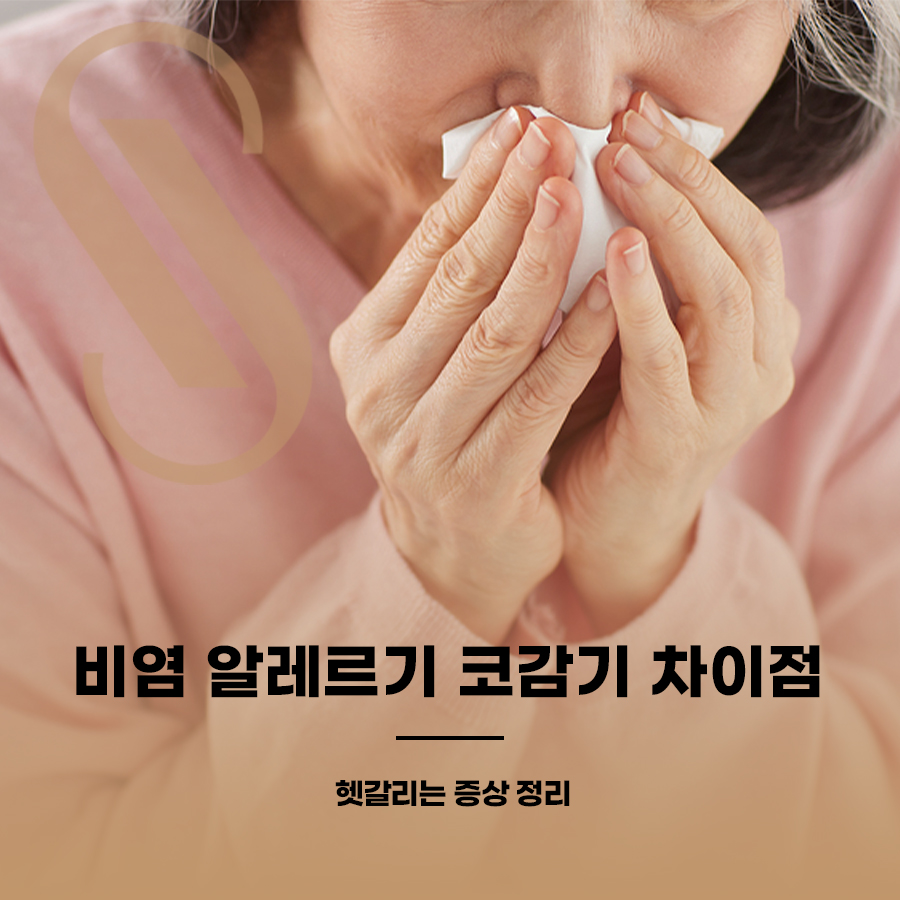
Have you ever been startled by sneezing the moment you opened your eyes in the morning, along with a runny nose that just would not stop? A lot of people have probably had that experience at least once. When you find yourself carrying tissues everywhere, you may suddenly wonder, “Is this just a simple cold, or is it that annoying allergy again?” In fact, these three conditions have very similar symptoms, so it is not easy for most people to tell them apart. However, because the causes and ways of managing them are clearly different, it is important to understand them properly and take care of them accordingly. In this article, we will focus on the differences between rhinitis, allergies, and the common cold, and share useful everyday health information.
📌 How are rhinitis, allergies, and the common cold different?
First, we need to look at the causes. A cold is an infectious disease caused by a virus invading through the respiratory tract. In contrast, an allergic reaction occurs when the nasal mucosa reacts sensitively to specific substances such as pollen or house dust mites. Chronic rhinitis refers to a state in which this inflammatory response continues for a long period of time, or the inside of the nose remains swollen due to structural problems.
To clearly understand the differences between rhinitis, allergies, and the common cold, it is helpful to check whether there is a fever. In cases caused by infection, low-grade fever, chills, or a sore throat are often accompanied, but conditions caused by an immune system response generally do not involve a fever.
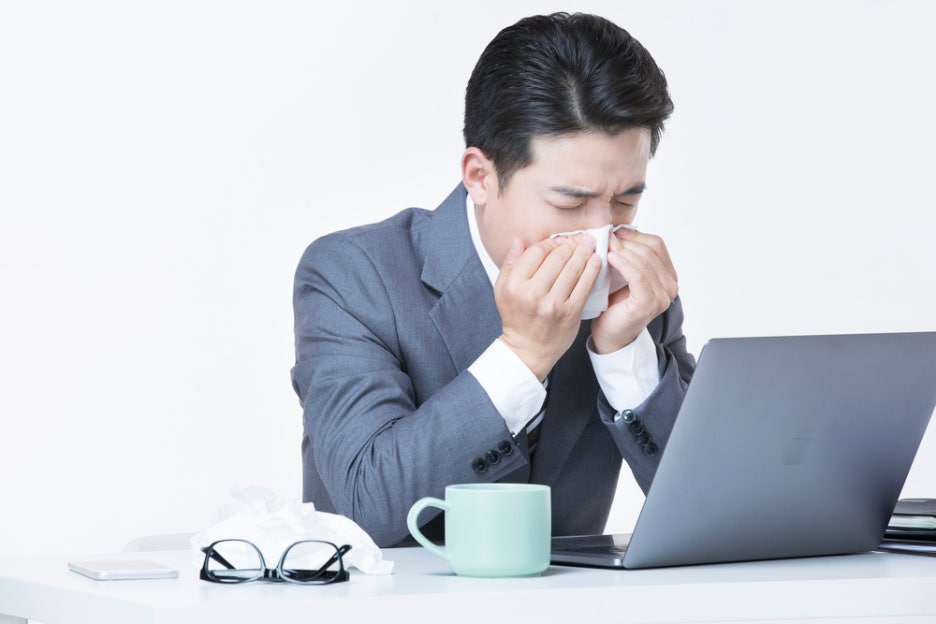
⚠️ Looking at the differences in runny nose, sneezing, and nasal congestion symptoms
The differences between rhinitis, allergies, and the common cold also appear in how the symptoms show up.
Condition of the discharge: In the early stages of a cold, clear fluid comes out first, then as time passes it tends to become yellow and sticky. On the other hand, an allergic reaction often produces a watery, clear discharge from beginning to end.
Duration: A virus-related condition usually improves within a week, but if it is a reaction to a specific environment, it can last from several weeks to several months unless the cause is removed.
Itching: If the area around the eyes or nose feels extremely itchy and looks red, it is more likely to be a reaction to environmental factors rather than an infection. Remembering these differences between rhinitis, allergies, and the common cold can be a great help in understanding your current condition.
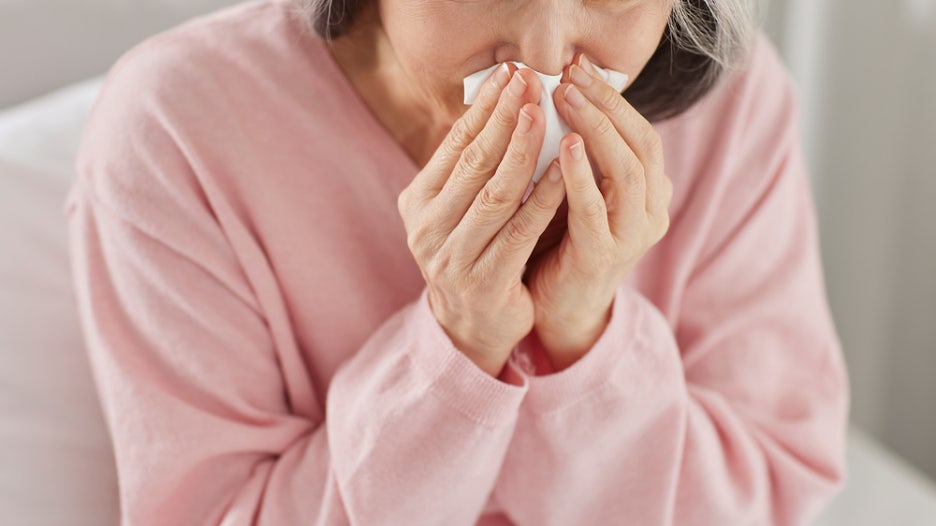
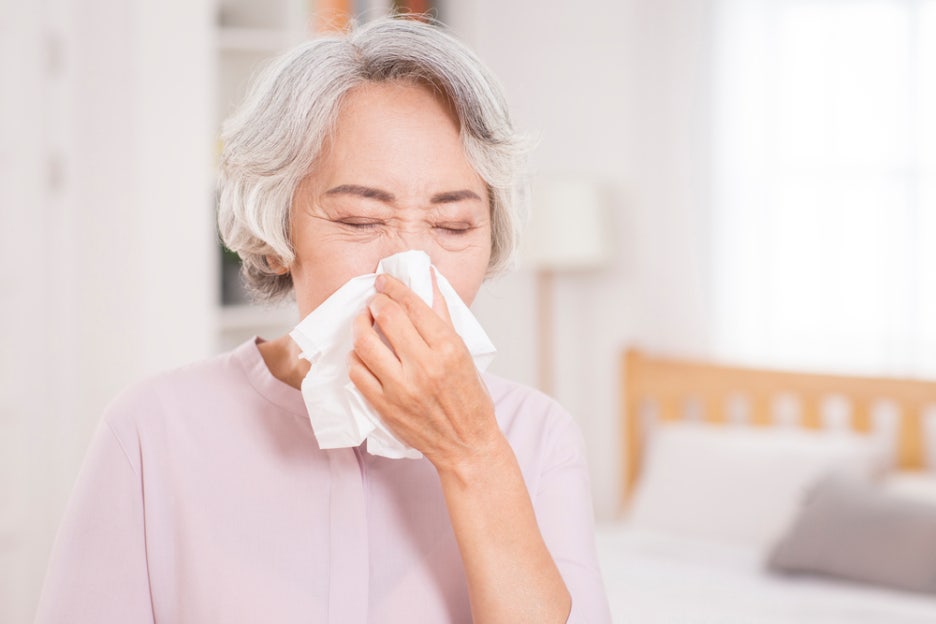
🔍 What if you have a cold on top of rhinitis?
People whose nasal mucosa is usually sensitive may be more vulnerable to viral invasion. If an infection is added on top of already swollen mucosa, the symptoms can appear much more severe.
At that point, it is easy to get confused about whether what you have is simply an environmental reaction or an infection.
One of the differences between rhinitis, allergies, and the common cold is the speed of recovery. If your head feels heavier than usual, you have body-wide muscle aches, or the color of your runny nose becomes darker, you should suspect an additional infection. In particular, because it may lead to sinusitis, it is necessary to control the swelling inside the nose and get proper rest. In more complex situations like this, you need to pay close attention to the differences between rhinitis, allergies, and the common cold.

📋 How to manage it in daily life and lifestyle tips
To maintain a healthy respiratory system, creating the right environment is essential. Keep indoor humidity at 40–60%, and be careful not to expose yourself to sudden temperature changes. Wearing a mask when going out is effective for blocking external pollutants.
Also, rinsing the inside of the nose with normal saline can have a positive effect on reducing mucosal swelling. If your body lacks water, the mucosa can become dry and its defensive ability can decline, so drinking lukewarm water often is also a good idea. Finally, if you understand the differences between rhinitis, allergies, and the common cold well and seek help from medical professionals before the symptoms worsen, that is the best way to protect your health.
Do not simply endure the nasal discomfort that comes every seasonal change. Small changes in your daily habits can make your breathing much more comfortable.
I hope you enjoy a more comfortable daily life by regularly ventilating your space and keeping the surrounding environment clean.









Previous image
Next image