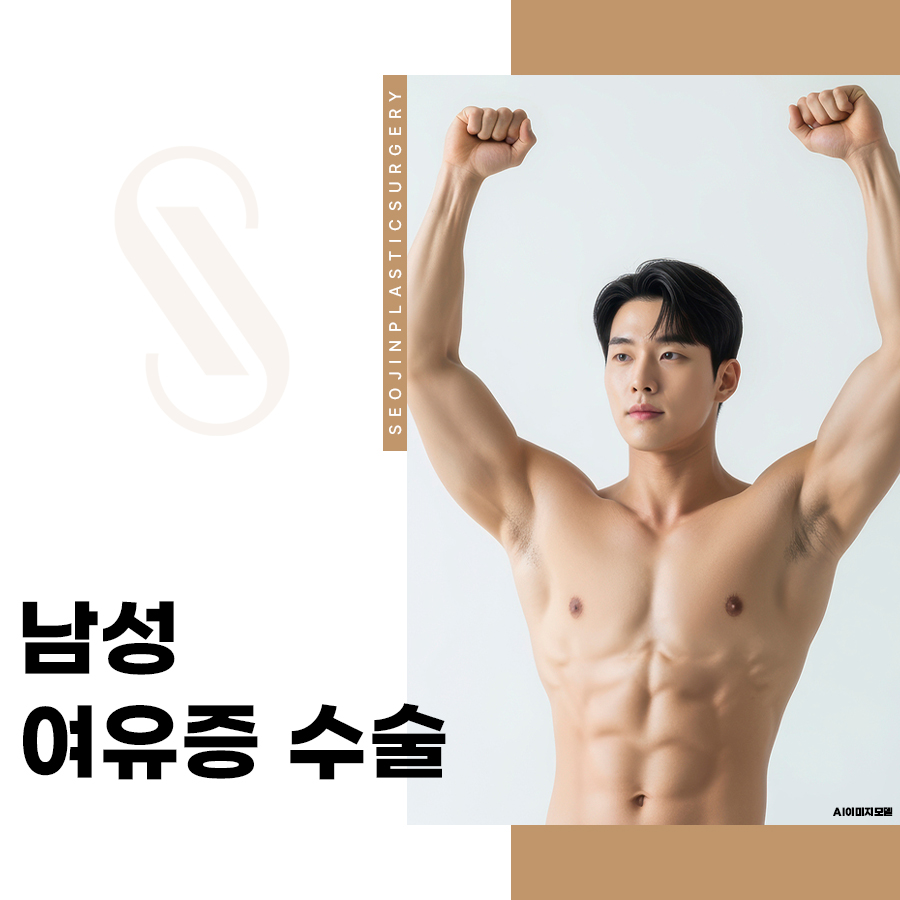
Some people are concerned that fat in the chest area does not decrease, even after losing weight and consistently engaging in strength training. If the chest remains enlarged or sagging despite efforts to develop a firm upper body, it is worth considering causes other than simple obesity.
When concerns about body shape continue, they can lead to psychological withdrawal or stress, so the process of carefully determining whether glandular tissue has developed
should come first.
👕 Understanding the Difference Between Male Gynecomastia and Simple Body Fat
Chest protrusion can generally be divided into two types. The first is a pseudogynecomastia
condition caused by excessive accumulation of fat cells around the chest. When combined with overall weight loss and dietary control, the volume of the chest area tends to decrease naturally. In contrast, true gynecomastia, which is caused by abnormal development of glandular tissue, is difficult to reduce through exercise or dieting alone. Once glandular tissue has formed, it does not disappear on its own. If you can feel a firm lump when touching the chest or the area around the nipple appears particularly prominent, glandular development may be suspected. In such cases, male gynecomastia surgery may be considered because improvement through exercise alone can be difficult.

🩺 Checking the Causes of Glandular Development and the Examination Process
There are many possible causes of glandular tissue development in a man's chest. A typical example is development caused by a temporary hormonal imbalance during puberty that does not naturally disappear in adulthood and becomes established. Other factors may include side effects from certain medications that can raise estrogen levels in the body, steroid misuse,
or endocrine dysfunction. To determine the cause clearly, a detailed ultrasound examination is performed. Through the ultrasound examination,
the thickness of the fatty layer beneath the skin, the distribution of glandular tissue, and the extent of enlargement are carefully measured. Based on the examination results, the condition is classified by stage. If the amount of glandular tissue is found to exceed a certain level, eligibility for National Health Insurance or private indemnity insurance coverage is reviewed, and the direction of male gynecomastia surgery is determined
accordingly.
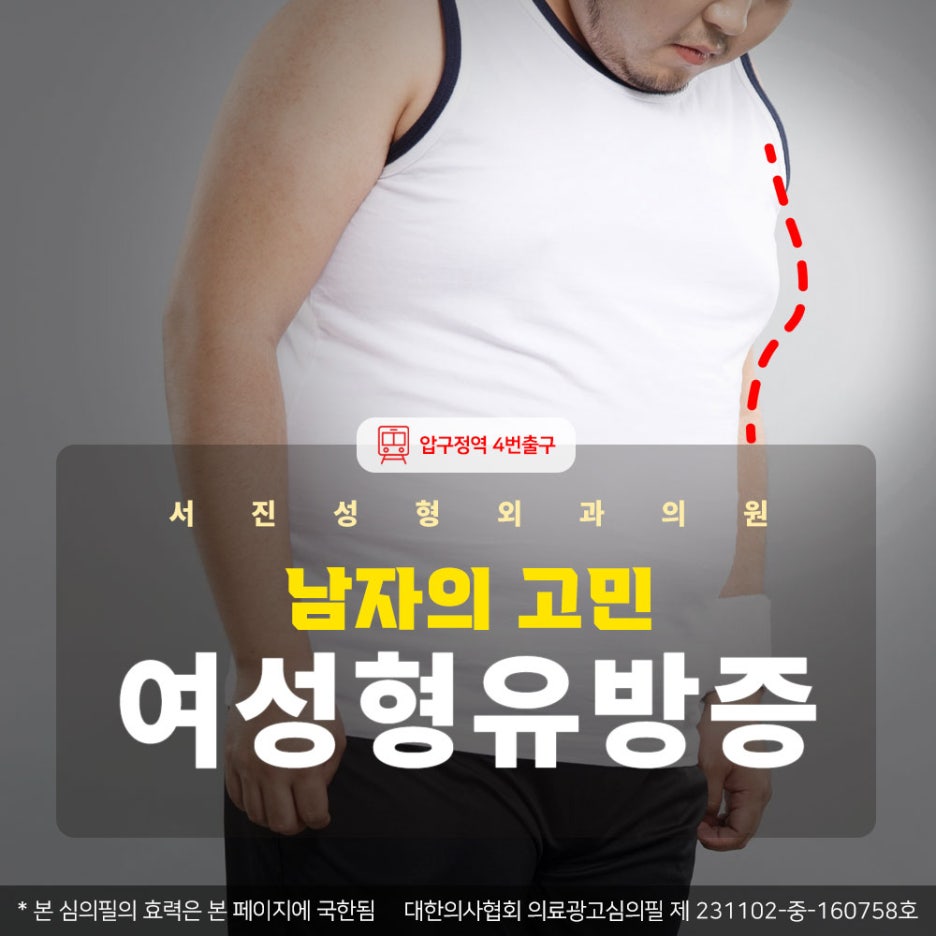
⚠️ Precautions Regarding Swelling, Compression Garments, and Recovery Time After Male Gynecomastia Surgery
After the glandular tissue and excessive surrounding fat have been removed, post-treatment care is essential for stable recovery. A compression garment must be worn carefully for a certain period to shape the chest properly and help drain accumulated blood or fluid inside. The compression garment keeps close contact with the skin and may help create a precise contour during the early stage. Temporary swelling, bruising, or mild pain may accompany the early recovery period, but these gradually subside over time. Applying scar ointment regularly as directed by the medical staff or combining care involving the delivery of fine thermal energy may help reduce swelling and improve the speed of skin elasticity recovery. Because recovery speed varies depending on individual constitution, it is necessary to follow the precautions provided by the medical staff carefully. When planning male gynecomastia surgery during this period, it is advisable to allow sufficient time while taking work or academic schedules into account.
🏋️ When to Resume Exercise and How to Manage Your Body Shape
Existing strength training or strenuous sports should be restricted for a certain period while shaping the body. Upper-body exercises such as bench presses and push-ups, which use the chest muscles extensively, may delay the recovery of internal tissue or cause bleeding, so it is recommended to avoid them for at least one month. During the first two weeks or so, maintaining physical activity through light walks or stretching can help reduce swelling. It is sensible to gradually increase the intensity of upper-body strength training according to your physical condition beginning approximately four to six weeks later. Even after the glandular tissue has been precisely removed, continuing regular aerobic exercise and healthy eating to maintain body fat at an appropriate level in order to preserve overall body balance is a positive way to maintain physical changes from a long-term perspective.
Many men experience a sense of withdrawal because of concerns about the shape of their chest, but carefully analyzing the cause can help identify a way to alleviate the concern. If it is difficult to change the shape of your chest through your own efforts alone, seeking a thorough consultation with medical staff who have a good understanding of the anatomical structure of the chest can be a sensible choice. Carefully assessing your physical characteristics and establishing an individualized plan can provide a useful starting point for developing a healthy, firm upper-body contour. Before considering a process to correct the chest contour, it is recommended that you first determine carefully whether your current condition is true or pseudogynecomastia. In the process of achieving healthy physical balance through stable recovery, male gynecomastia surgery can serve as one practical alternative. Finally, when choosing male gynecomastia surgery, it is advisable to carefully review whether the medical institution has a well-organized system and a properly established post-treatment care program.









Previous image
Next image