
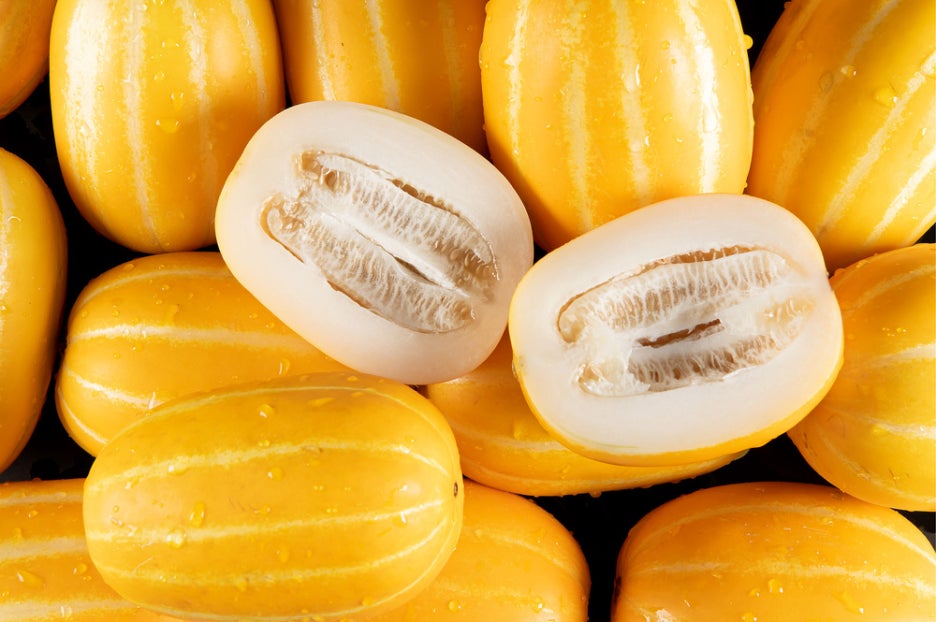
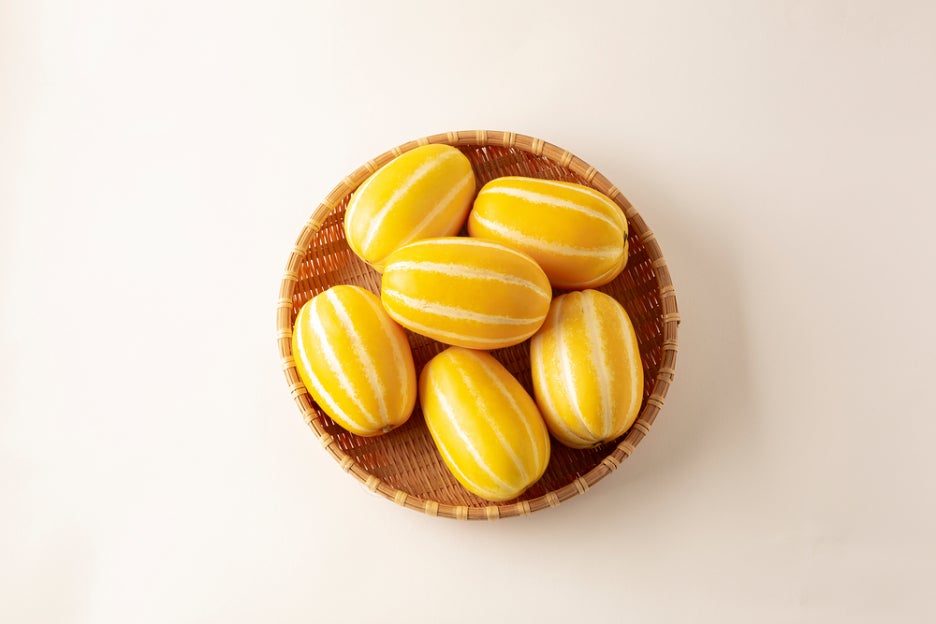
A representative fruit that signals the beginning of summer is the yellow Korean melon. Thanks to its crisp texture and sweet juice, this appealing fruit-vegetable naturally becomes a go-to whenever the heat arrives. Its sweetness spreads throughout your mouth with every bite, making it a beloved summer snack enjoyed by people of all ages. Today, we will take a closer look at the surprising stories hidden within this popular fruit. We have gathered useful information, from why it can be enjoyed lightly without the burden of many calories to its nutritional content and tips for selecting fresh melons, so let’s take a look together.
🍈 What Nutrients Are Found in Korean Melons?
The first thing to examine is the abundance of nutrients contained in this yellow fruit. One of the representative benefits of Korean melons is their calorie-friendly qualities, which can help the body eliminate unwanted substances. They contain a large amount of potassium, which can play a positive role in promoting sodium excretion for people who often eat salty foods.
Another noteworthy benefit of Korean melons is that they are rich in folate. Among fruits, they contain a relatively high level of folate, which is essential for pregnant women and women of childbearing age, and may be beneficial for cell growth and blood formation. They also contain plenty of vitamin C, which can provide vitality during a season when it is easy to become tired and can be useful for reducing feelings of fatigue.
💧 Why Korean Melons Attract Attention for Summer Hydration
There is a scientific reason this fruit comes to mind especially often during sweltering weather. Approximately 90% of its composition is water, allowing it to serve as a natural source of hydration. During periods when heavy sweating can easily lead to insufficient body fluids, there is hardly a better option for easing thirst.
At the same time, it contains only around 30 kcal per 100 g, so even people managing their diets can enjoy it without much concern. Despite its sweet taste, it does not contain an excessive amount of carbohydrates, and its abundant water and fiber help create a feeling of fullness easily. These excellent hydrating qualities and light calorie content are attractive benefits that make Korean melons a suitable choice as a wellness snack for modern people.
In addition, thanks to their naturally cooling properties, they can help bring down unnecessary heat that has built up in the body. Eating them after outdoor activities on a day with strong ultraviolet rays may allow you to experience their benefit of gently regulating an overheated body temperature, making them a helpful companion for preventing heat-related discomfort.

🛒 How to Choose a Delicious Korean Melon: Check These Things
If you have ever wondered which one to pick at a supermarket or market, just remember three things. Here are clear criteria for finding a fresh, sweet melon.
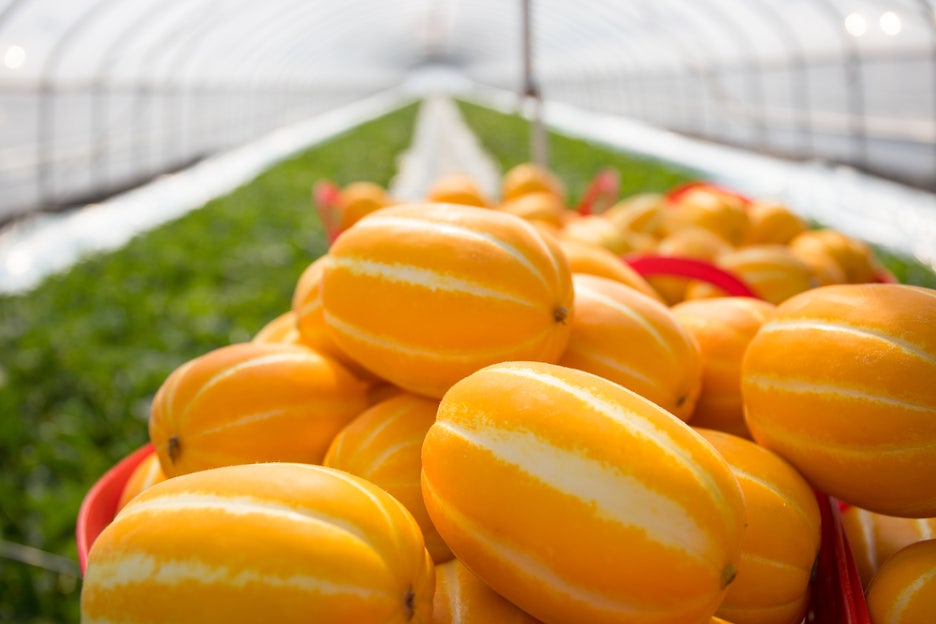
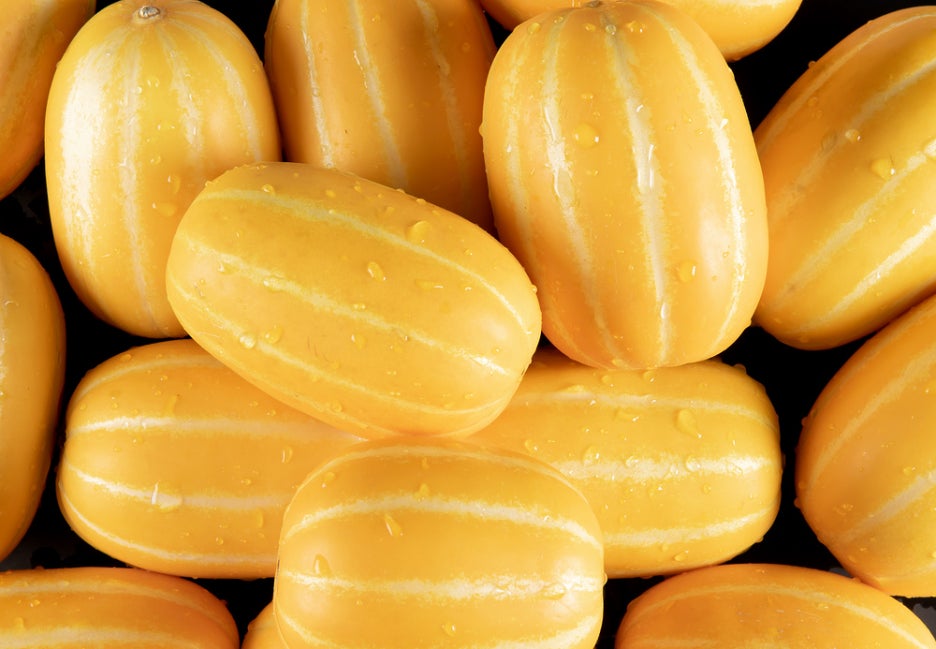
First, check the overall color. The deeper and clearer the yellow color of the surface, the more likely it is that the melon received plenty of sunlight and grew well. The key to choosing a Korean melon is also in the white stripes. The deeper the grooves and the more distinct the boundaries, the greater the likelihood that the melon has a crisp texture and rich sweetness.
Next, check its size and smell. Bigger does not necessarily mean tastier. A moderate size, roughly about the size of an adult’s fist, is preferable because the flesh is firm and the inside is substantial. It is also best if the stem is thin and attached in a fresh-looking condition. If it gives off a gentle, sweet, subtle fruity aroma when held and smelled, it is likely to be a reliable choice.
📦 How to Store Korean Melons and Precautions When Eating Them
Finally, learning the proper preparation and storage methods will allow you to enjoy every last melon without waste. Immediately after purchase, individually wrap each melon in newspaper or plastic wrap and place it in the fresh-produce compartment of the refrigerator. Since storing them at a low temperature can further increase their sweetness, sealing them and chilling them before eating allows you to fully enjoy their natural sweetness.
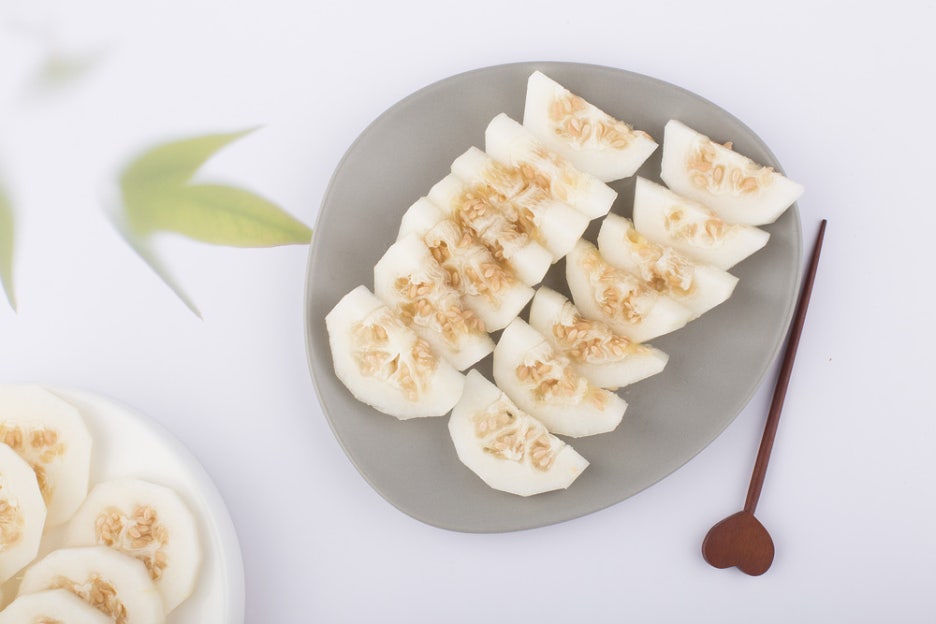
However, there is one thing to remember when eating them. Some people scrape out the entire white section attached to the seeds, known as the placenta, but sugar is concentrated in this area, so it is better to eat it together with the rest. However, people with weak digestive function or poor digestion should be cautious, as eating excessive amounts of the seeds may cause an upset stomach or diarrhea. People with reduced kidney function may also need to limit their potassium intake, so it is wise to eat them in moderate portions. Welcome a healthy and refreshing season with this fresh, yellow snack.









Previous image
Next image