Many people feel stressed because their forehead looks particularly wide every time they look in the mirror. When it extends beyond balanced proportions and takes up too much space,
it can make the face appear larger or disrupt the harmony of the facial features. In particular, the overall facial contour and proportions can vary significantly depending on the shape of the hairline,
which leads many people to look for various care methods or alternatives to improve it. In this article, we will take a detailed look at the importance of the upper-face proportions,
together with care options and alternatives that may allow for natural-looking changes.
📏 Why a Wide Forehead Can Be a Concern and Why the Hairline Matters
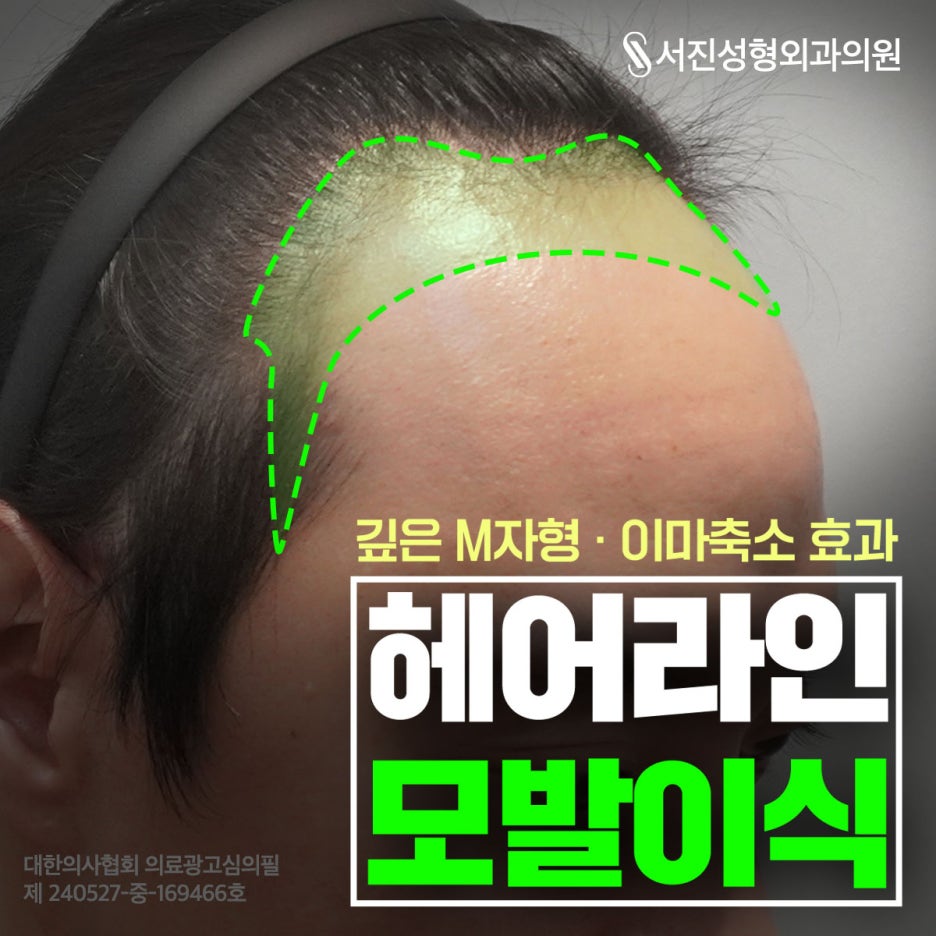
The forehead, which occupies the upper part of the face, plays an important role in determining a person's first impression and overall proportions. When the upper-face area appears excessively wide from the front, it can make the face look larger than it actually is or make the facial features appear less concentrated. In particular, when the hairline is deeply recessed in an M shape or positioned high on the forehead, it can easily create an untidy or older-looking impression.
Because of these appearance-related characteristics, many people face styling limitations, such as having to wear their bangs down to cover the area. They may also experience considerable stress when the wind blows or when their forehead is exposed. To create balanced facial contours, it is therefore necessary to look closely not only at skin care or makeup, but also at the shape and density of the hairline, which can adjust the forehead's actual area to more ideal proportions.
🌱 The Forehead-Reduction Effects That May Be Expected from a Hairline Hair Transplant
Hair transplantation has been attracting attention as one approach to adjusting the proportions of the upper face. The procedure involves harvesting healthy hair follicles from the back of the head and transplanting them into the empty area at the front of the forehead. By creating a natural baby-hair effect and gradually lowering the hairline, it may provide natural-looking forehead-reduction results.
Rather than artificially pulling the hairline downward, this method uses the patient's own hair, giving it the advantage of allowing the texture and direction to blend harmoniously. Filling in sparse areas while considering both the horizontal and vertical width of the face can create a visual change that makes the overall contours appear smaller and more slender. By filling the density more closely and supplementing the receded areas, it is possible to create a more polished impression along with balanced forehead-reduction results.

👀 Who Might Consider a Hairline Hair Transplant?
In general, it may be a suitable alternative for people who are born with a wide upper-face area and are considering ways to reduce a wide forehead. Positive changes may be more achievable when the vertical width is broad enough to fit four or more fingers when looking in the mirror, or when the areas on both sides have receded, disrupting the frontal oval-shaped hairline.
It is also recommended for people whose hair is thin, making the forehead boundary appear indistinct, or whose particular areas stand out whenever they part their hair, as increasing density can help reduce the appearance of a wide forehead. In addition, when the upper-face boundary has become unnatural after a previous contour-related procedure, or when severe asymmetry makes it difficult to change the direction of the part, naturally narrowing the forehead can help create neater contours along with a forehead-reduction effect.

📋 Postoperative Care and Points to Check
After the procedure, careful attention is needed so that the transplanted follicles can settle securely. The first approximately two weeks after transplantation are a critical period for follicle engraftment, so care should be taken not to scratch the area or apply strong pressure. It is also advisable to maintain a proper sleeping position to reduce friction.
When washing, avoid strong water pressure and shampoo gently with lukewarm water, allowing it to flow lightly over the area, while maintaining cleanliness according to the prescribed instructions. Temporary flaking or scabs may also develop, but they should not be forcibly removed; instead, wait for them to fall away naturally. To help the hair grow healthily and maintain an ideal forehead-reduction appearance over the long term, regular follow-up monitoring should be accompanied by overall lifestyle management, including avoiding smoking and alcohol.










Previous image
Next image