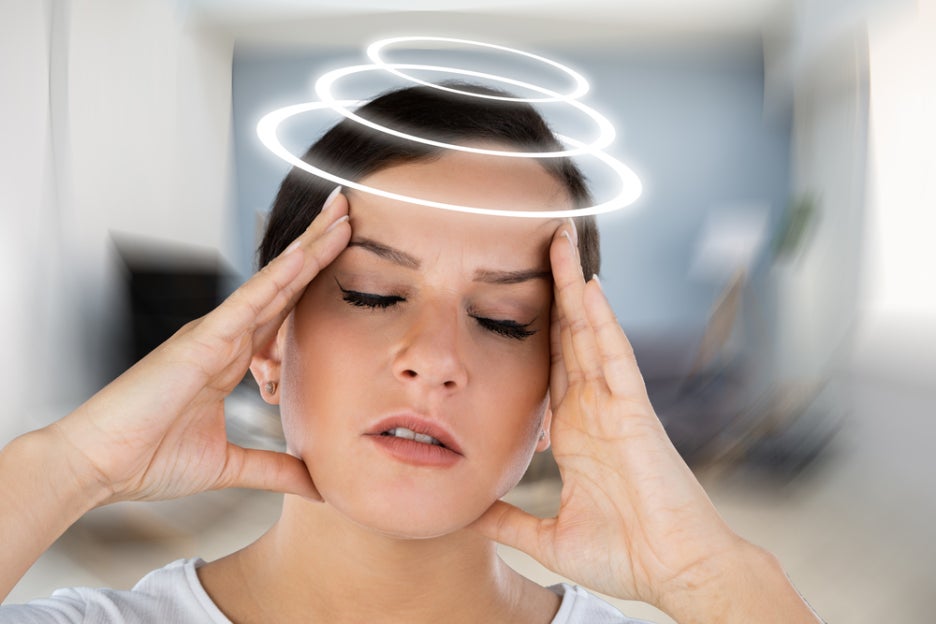
Have you ever suddenly stood up and felt the room spin, or experienced your strength suddenly leaving you while climbing the stairs? Many people assume this is simply due to fatigue or lack of sleep, but sometimes it may be related to your blood pressure. In particular, if you feel more tired than usual and dizziness keeps recurring, it is worth paying attention to the signals your body may be sending. Today, let’s look at the criteria for low blood pressure readings, possible symptoms and causes, and management methods you can practice in daily life!
🩺 Low Blood Pressure Readings: At What Point Do They Qualify?
Blood pressure is generally divided into systolic and diastolic blood pressure. In adults, a systolic blood pressure below 90 mmHg or a diastolic blood pressure below 60 mmHg is often classified as low blood pressure.
However, it is difficult to judge based on numbers alone. Some people live without any particular discomfort even when their usual readings fall within the low blood pressure range, while others may experience dizziness or lethargy even when their readings are not especially low.
Therefore, along with checking your blood pressure readings, it is important to consider your current symptoms, lifestyle patterns, and overall health. In particular, if your blood pressure has dropped sharply compared with usual, it may be necessary to identify the cause.
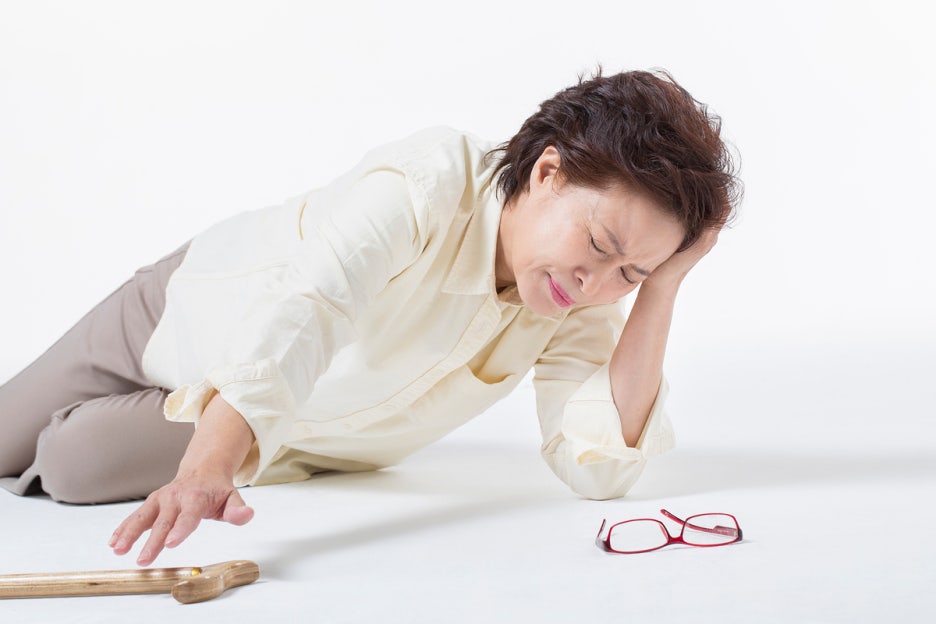
😵 Learn About Common Symptoms Such as Dizziness and Fatigue
One of the first changes many people notice is dizziness. A typical example is feeling light-headed when suddenly standing up from a chair or after standing for a long time.
Other symptoms may include the following.
If these symptoms recur, it may be worth considering measuring your blood pressure rather than dismissing them as simply feeling under the weather.
In particular, if you lack energy even after getting enough rest, or if dizziness continues to the point that it affects your daily life, checking your physical condition may be helpful.
⚠️ Causes of Low Blood Pressure and Situations Requiring Caution
There are various reasons blood pressure may drop. One of the most common causes is insufficient hydration. If you sweat heavily or do not drink enough water, your blood volume may decrease, causing your readings to fall.
Excessive dieting, nutritional imbalance, lack of sleep, stress, and going without food for long periods may also have an effect.
Some people naturally have low blood pressure readings. In such cases, it may not be a major problem if there are no particular symptoms.
However, caution is needed in the following situations.
-
If you suddenly faint
-
If chest pain occurs at the same time
-
If breathing is difficult
-
If you are severely dehydrated
-
If bleeding is suspected
When an abrupt change like this occurs, it may be necessary to check whether there is another cause besides a simple blood pressure issue.
If someone who normally maintains readings within the normal range suddenly shows low blood pressure readings, identifying the cause becomes even more important.
🥗 Management Through Lifestyle and Dietary Habits
If you are concerned about low blood pressure, it is a good idea to start by reviewing small daily habits.
First, it is important to drink enough water. A lack of fluids in the body can affect circulation.
Not skipping breakfast may also help. Going without food for a long time can affect the body’s balance, so regular meals are recommended.
It is also best to avoid standing up suddenly. When getting up after lying or sitting down, move slowly to give your body time to adjust.
Light walking or stretching may also help you manage circulation. Rather than exercising excessively, it is important to develop a habit of moving consistently.
If you frequently experience dizziness, using a home blood pressure monitor to record changes in your blood pressure readings can also be a good approach. Keeping records may help you understand your physical condition.
Recurring dizziness does not necessarily mean there is a serious problem. However, it is not advisable to ignore the signals your body may be sending. If symptoms that are different from usual continue, take time to check your current condition by measuring your blood pressure and reviewing your lifestyle habits. Paying a little attention may help you maintain a healthy daily routine.










Previous image
Next image