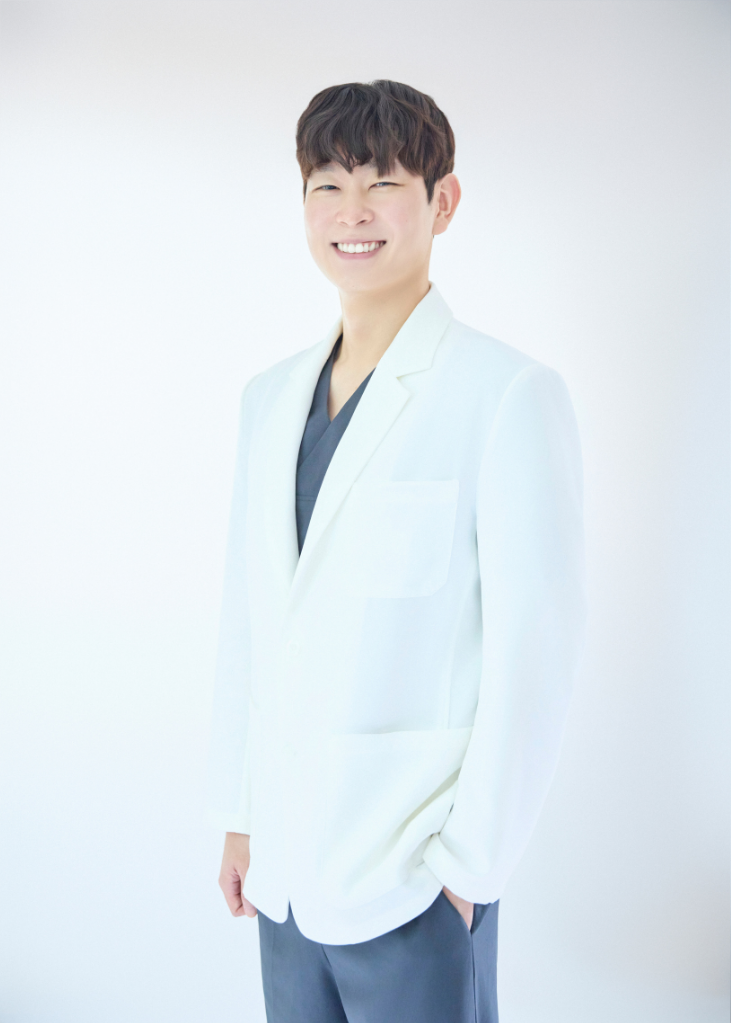
Hello,
This is Kim Hawon from Hapjeong Dermatology.
In your 20s, fine lines that never seemed to matter
start to become noticeable,
and when the jawline sags or a double chin appears,
you naturally start searching for lifting procedures.
But once you actually look into it,
there are so many unfamiliar device names like
Ulthera, Thermage, Shurink, and Oligio
that it can easily get confusing.
So today, I’d like to organize the main types of lifting
and the criteria for choosing the one that suits your skin type.
🔹 Lifting procedures
start with different energy types
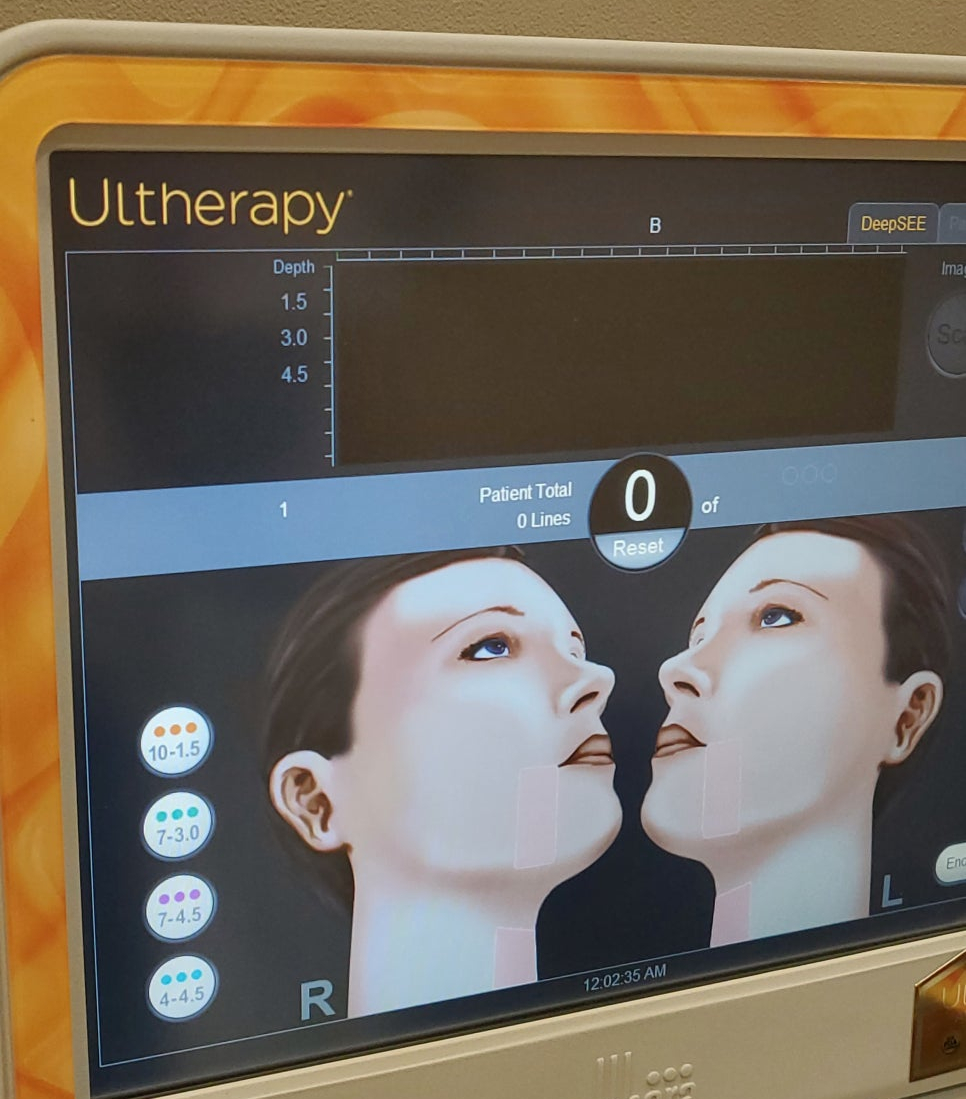
Lifting devices can be broadly divided into two categories:
ultrasound and radiofrequency.
Ultrasound lifting is represented by devices such as
Ulthera and Shurink.
This method delivers thermal energy to the SMAS layer beneath the skin,
lifting sagging facial contours against gravity.
That is why it is especially effective for improving areas
with blurred contours, such as a double chin,
jowls, or sagging fat below the cheekbones.
On the other hand, radiofrequency lifting is represented by
Thermage and Oligio.
These stimulate the dermis and subcutaneous fat layer,
inducing collagen regeneration
and helping to smooth the skin texture.
In other words, if your skin has become thinner and drier,
and fine lines and pores have become more visible,
a radiofrequency-based option is much more suitable.
🔹 Beyond ultrasound and radiofrequency,
there are various lifting devices
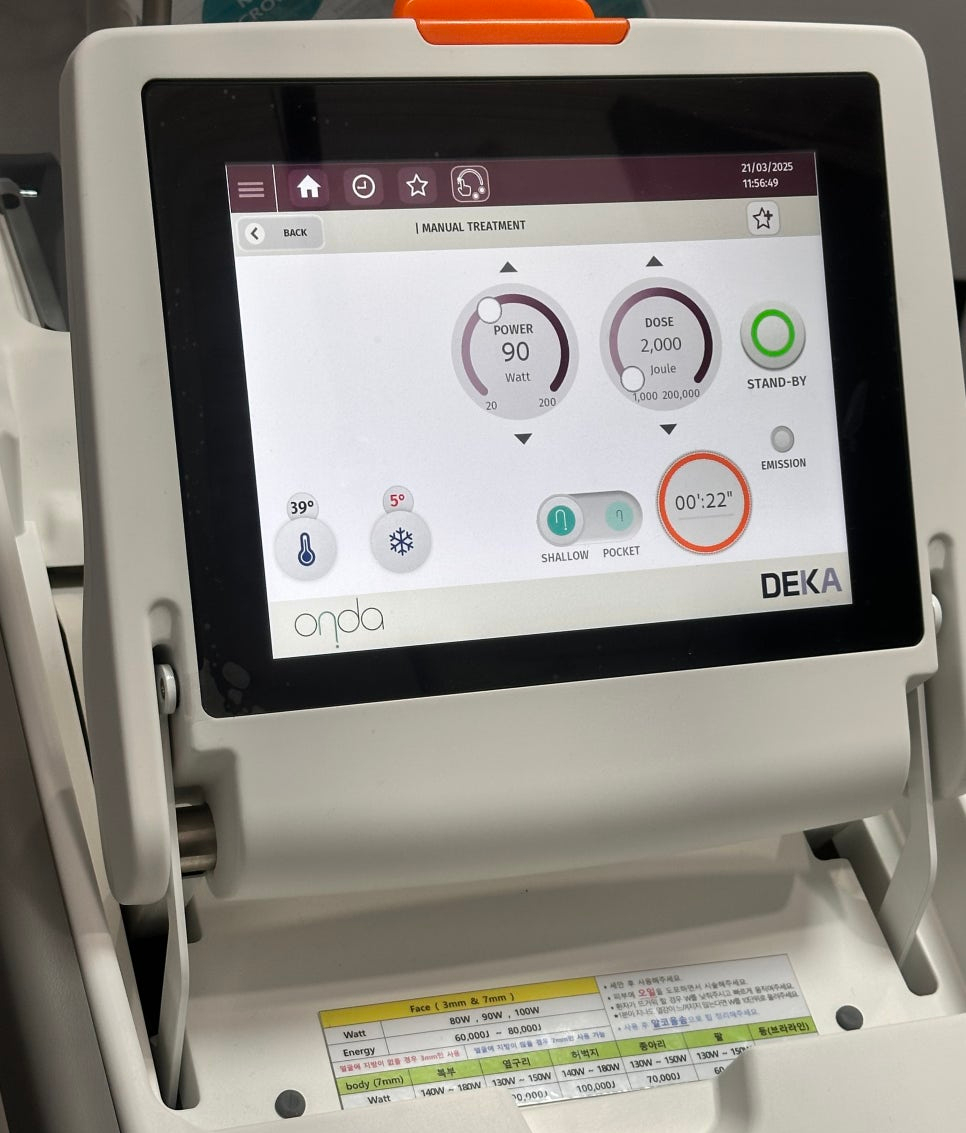
These days, there are also lifting devices that use
various other forms of energy besides ultrasound and radiofrequency.
For example,
Onda lifting uses microwaves
to directly reduce fat cells.
It is effective for improving cheek fat, a double chin,
and fat under the jaw.
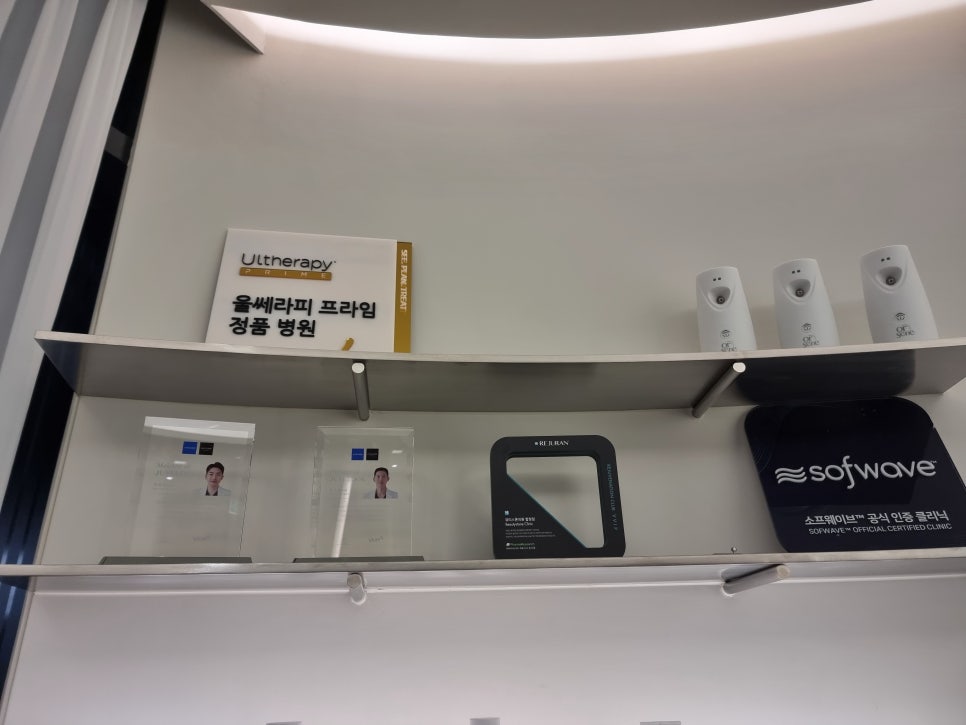
Sofwave is a lifting treatment that targets the upper dermis
with a focus on improving fine lines and skin texture.
As you can see, even though they are all called lifting treatments,
the depth at which they work and the effects you can expect are completely different,
so you should not choose one simply because it is well known.
🔹 Which lifting treatment is right for me?
First of all, it is important to accurately understand
your own skin condition.
For example,
🔹If your facial contours have become blurred and you have a double chin
Ultrasound lifting (Ulthera · Shurink)
🔹If your skin is thin and you have many fine lines
Radiofrequency lifting (Thermage · Oligio)
🔹If you have a lot of fat and want to reduce volume
Onda lifting
🔹If your goal is to improve fine lines and skin texture
Sofwave
Ultimately, clearly knowing what your concern is
is the first step toward the most satisfying result.
🔹 The key to lifting is diagnostic expertise
In fact, many people do not know whether their skin
is sagging and causing the contours to collapse,
whether wrinkles have formed because of a lack of collagen,
or whether they simply look heavy because they have too much fat.
In cases like this, it is best to decide on a lifting procedure
at a place where detailed diagnosis and consultation are available.
Since each area of the face has a different skin thickness,
distribution of fat layers, and pattern of muscle use,
these factors must be carefully analyzed from the diagnostic stage
in order to achieve a natural and balanced result.
💬 Lifting Q&A
Q1. When do the effects of lifting procedures
start to appear?
You may feel an immediate tightening effect after the procedure,
but the actual improvement in elasticity
starts to appear in earnest after 2 to 4 weeks.
This is because time is needed for new collagen to be produced.
Usually, after about a month,
you can notice a clearer facial contour
and smoother skin texture.
Q2. How long do lifting results last?
It varies depending on the device and skin condition,
but treatments like Ulthera and Thermage usually last about 1 to 1.5 years,
while intermediate-intensity treatments like Shurink or Oligio
last around 6 months.
Since collagen regeneration continues steadily,
regular care at 6-month to 1-year intervals is recommended.
Q3. Is lifting painful?
The level of pain during lifting varies depending on the individual’s skin thickness
and sensitivity,
but most recent devices are the latest versions
with enhanced pain-reduction features,
so treatment is much more comfortable than before.
A numbing cream is applied sufficiently before the procedure,
and if needed, a cooling system is used together,
so even sensitive patients can undergo the treatment without difficulty.
Q4. What is checked during a consultation before lifting?
During a lifting consultation,
✔ Skin thickness and the location of the fat layer
✔ Degree of sagging
✔ Depth of wrinkles
✔ Whether there have been any previous procedures
are comprehensively reviewed.
Based on this data, the lifting depth,
intensity, and direction are adjusted individually,
so a detailed consultation directly leads to greater satisfaction with the results.
Key Summary
1️⃣ Lifting is divided into ultrasound, radiofrequency, and other energy-based categories.
2️⃣ The most important thing is choosing the procedure that matches your skin condition and concerns.
3️⃣ Detailed diagnosis and consultation increase satisfaction with the results.
If you have any more questions,
please leave them in the comments or send an inquiry.
I’ll answer them myself, haha.
Thank you for reading.
This was Kim Hawon from Hapjeong Dermatology.