This post has been written in compliance with Article 56, Paragraph 1 of the Medical Service Act.
It was written for the sole purpose of providing information,
and is in no way intended to promote this clinic.
Because effects and side effects may vary depending on the individual,
please consult thoroughly with medical professionals.

Hello.
This is Kim Jang-ju from a dermatology clinic in Mangwon-dong.
During times like now, when the weather becomes dry,
skin easily turns rough
and elasticity noticeably decreases.
At times like this, many people think of
a treatment that replenishes moisture and elasticity
from deep within the skin.
What many people immediately think of
is skin boosters.
However, there are so many types and the explanations are complicated,
so it is easy to get confused about which product is right for you.
Among them, the two most commonly sought-after options are
Juvelook and Rejuran.
Today, let’s compare the differences and features of Rejuran and Juvelook
and see which cases each is more suitable for.
💧 Rejuran vs. Juvelook: Differences
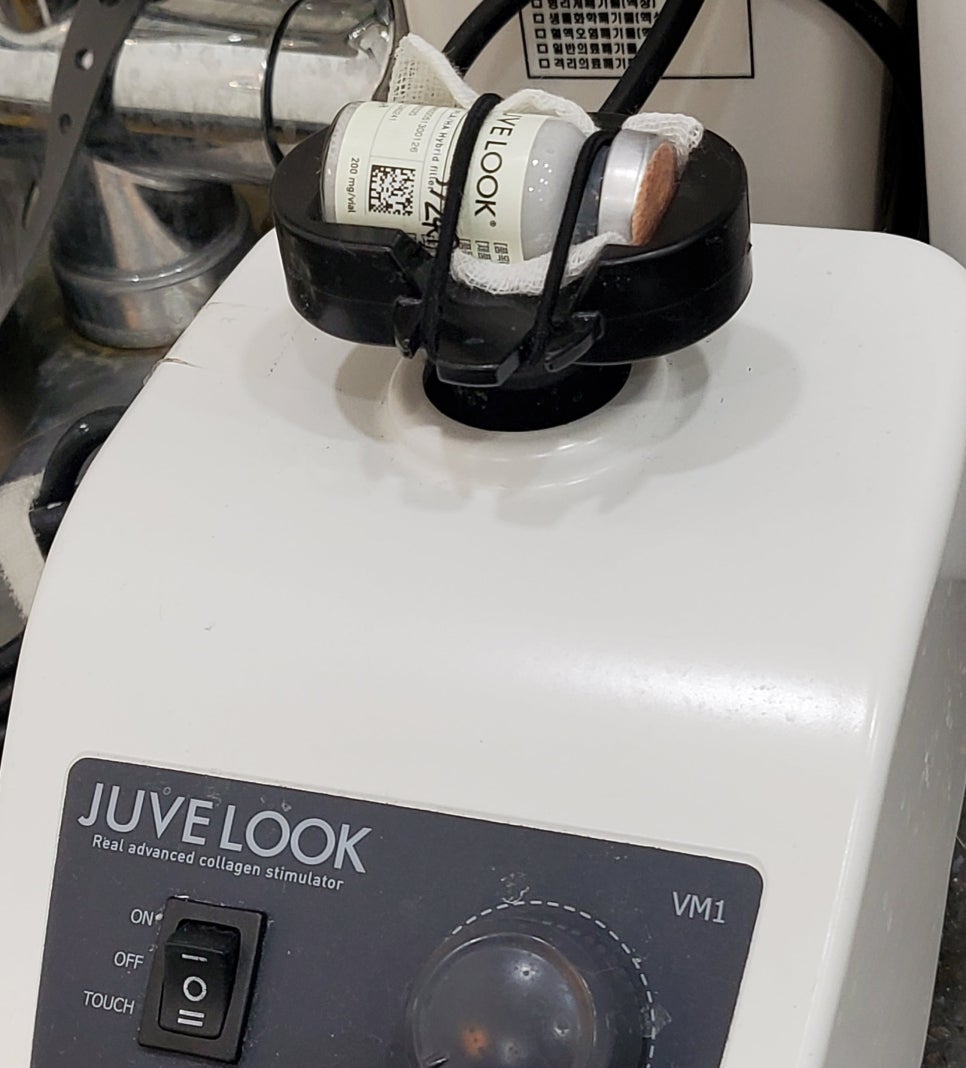
Juvelook is a collagen booster
based on PDLLA (poly-D,L-lactic acid).
When it enters the skin, it induces the body’s own collagen production,
allowing elasticity and volume to gradually build up
over time in a natural way.
Rather than an immediate change,
after about 2 to 3 months,
the skin gradually feels firmer
and denser.
However, if the injection site or
the hydration process is not handled properly during the procedure,
small nodules may form, so
if you are searching for a dermatology clinic in Mangwon-dong,
it is important to choose a medical team
with extensive experience.
 On the other hand, Rejuran is a regenerative skin booster
that uses PN (polynucleotide) ingredients.
It is a skin booster that activates skin cells
and helps regeneration.
It is effective for inner dryness and improving skin texture,
and is closer to a treatment that enhances the skin’s natural recovery ability.
It is especially recommended for those with severe inner dryness or dullness.
However, Rejuran has a high viscosity, so there may be pain
during injection,
which is why these days many people also use Rejuran HB,
which reduces pain, or combine it with a numbing cream.
Because it must be injected accurately at a depth of 1 to 2 mm into the dermis,
if you are searching for a dermatology clinic in Mangwon-dong,
it is recommended that you receive the treatment from medical staff
with delicate technical skill. Haha
💡 Which skin booster is right for me?

Juvelook and Rejuran
both have beneficial effects on the skin,
but their focus is a little different.
Juvelook is strong for improving structural concerns such as a face with reduced elasticity and lost volume,
sagging skin, pores, and scars.
If you want volume that gradually builds up naturally over time,
Juvelook may be a better fit.
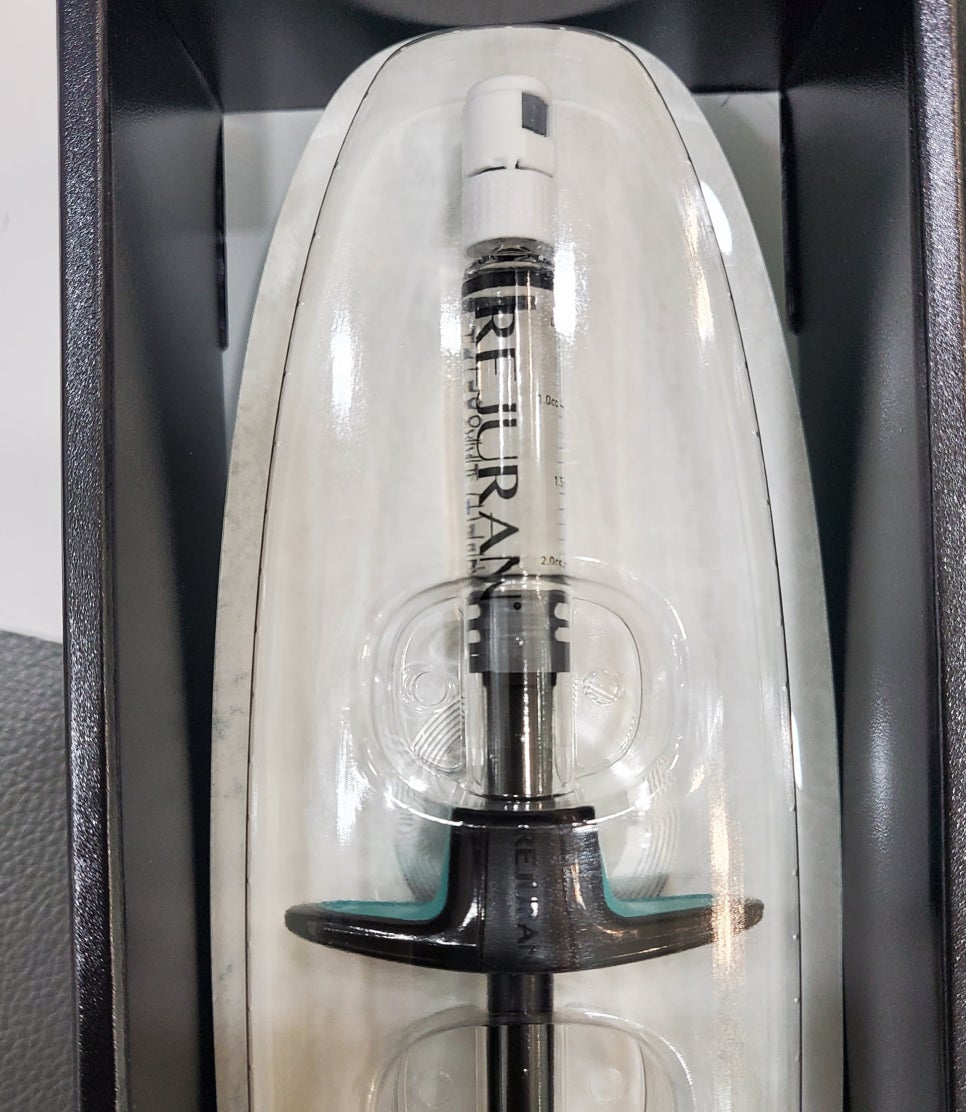 On the other hand, Rejuran is suitable for those with thin, sensitive skin
or those concerned about inner dryness and regeneration.
It boosts the skin’s natural regenerative ability,
smooths out texture,
and helps restore moisture.
In other words, even with the same skin booster,
the choice can differ depending on
what condition your skin is in right now,
and what kind of change you want.
🩵 In summary
🩵Juvelook is a treatment that uses PDLLA ingredients
to replenish collagen and improve elasticity and volume,
🩵Rejuran is a treatment that uses PN ingredients
to regenerate the skin and make it more hydrated.
In the end, what matters is not what is trending,
but understanding what your skin needs right now.
If you visit a dermatology clinic in Mangwon-dong
and receive an accurate diagnosis of your skin condition together with a specialist,
then choosing the skin booster that suits you best
may lead to more satisfying results.
💬 Rejuran vs. Juvelook Q&A
Q1. When do skin booster effects start to show?
Usually, right after the procedure, the skin texture becomes
slightly smoother and a sense of hydration is felt.
However, noticeable elasticity improvement typically appears
after 2 to 3 weeks,
and in the case of Juvelook, you may feel a clearer change
after about 2 months, which is the collagen production cycle.
Q2. How often should skin booster treatments be done?
It varies depending on skin condition,
but generally 3 or more sessions at 3- to 4-week intervals are recommended.
Rejuran focuses on regeneration, so it is often done as a 4-session series
followed by maintenance treatments,
while Juvelook is sometimes followed by additional treatments
every 6 months to 1 year after 2 to 3 sessions.
Q3. Is it okay to get skin boosters in every season?
Yes, the treatment can be done regardless of the season.
However, in seasons like winter, when the air is dry and temperature differences are large,
the skin barrier becomes weaker,
so it is better to choose a skin booster with strong moisturizing and regenerative effects.
In summer, Rejuran or soothing skin boosters are suitable
for helping recovery after UV damage.
If you want to know more about the difference between Rejuran and Juvelook,
please refer to the link below ^_^
Mangwon-dong dermatology clinic
Consistent care rather than immediate changes
is what makes skin most beautiful.
I hope skin boosters can be the start of that,
and I cheer for your skin to become a little healthier every day.
I hope today’s post was helpful.
This was Kim Jang-ju from a dermatology clinic in Mangwon-dong.