Hello.
I’m Kim Jang-ju from Beautyst Doctors.
If your jaw feels stiff
when you wake up in the morning,
or if headaches keep coming back
without any particular reason,
it may be worth suspecting
unconscious teeth grinding at least once.
Many people clench their teeth tightly
while sleeping,
with no awareness of it at all.
The problem is that if this state is brushed off
as “just a habit,”
it can lead not only to jaw joint pain
but also tooth wear, facial asymmetry,
and chronic headaches.
That is why more and more people
have recently been taking an interest in
teeth grinding Botox.
Many of you may be wondering
whether it actually works
and what needs to be watched out for.
Today, I’d like to calmly go over
teeth grinding Botox,
from how it works to its effects,
and the points you absolutely need to know.
Why teeth grinding Botox is needed
– focusing on the mechanism and effects
Teeth grinding usually starts
with excessive tension in the jaw muscles.
Stress, poorer sleep quality,
biting alignment issues, and other causes
work together,
leading to repeated clenching
while sleeping.
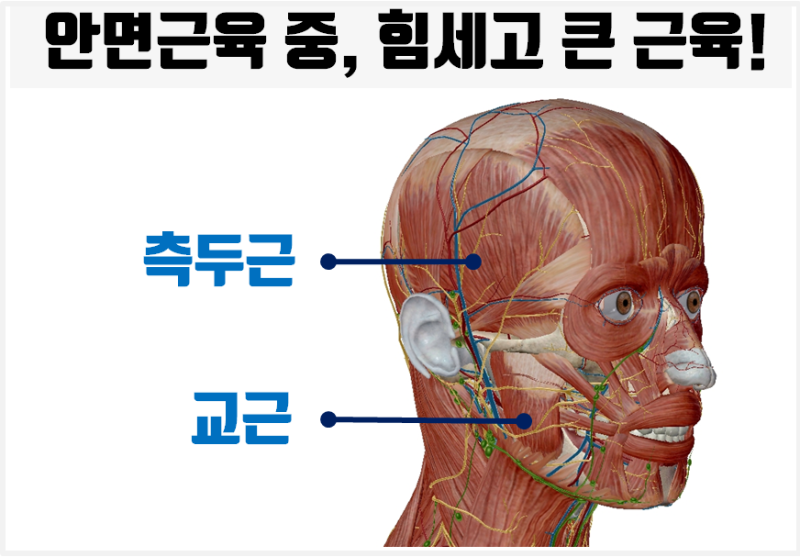 If this continues,
excessive use of the jaw muscles,
including the masseter and temporalis muscles,
If this continues,
excessive use of the jaw muscles,
including the masseter and temporalis muscles,
can go beyond simple fatigue
and lead to chronic jaw pain, headaches,
temporomandibular joint disorders,
and facial asymmetry.
In such cases, teeth grinding Botox
helps reduce signal transmission
between the muscles and nerves,
aiding the muscles so they do not contract excessively.
In particular, when it is precisely injected into
the masseter muscle, which plays a key role in teeth grinding,
and in some cases the temporalis muscle,
the actual force applied to the jaw during sleep
is noticeably reduced.
However, an important point is that
teeth grinding Botox
does not completely eliminate
the habit of teeth grinding.
Its purpose is to reduce the force of clenching
and ease the burden placed on the jaw and joints.
As a result,
jaw pain and headaches gradually decrease,
and you begin to notice that unconscious clenching
and the frequency of teeth grinding
also slowly ease.
In general, the effects appear
within 1 to 2 weeks after the procedure,
and the duration is known to be
about 3 to 6 months on average.
Key points to keep in mind about teeth grinding Botox
Teeth grinding Botox is ultimately a procedure
in which the outcome depends on
which muscles are relaxed
and how accurately they are relaxed.
So if you approach it simply as
“just get Botox in the masseter,”
there may be cases where you do not feel
the expected results enough.
In practice, there are occasional cases where
jaw pain persists even after treatment only in the masseter,
or where temporalis muscle use increases relatively,
leading to the feeling that temple headaches
have actually become worse.
For this reason, the most important factors
in teeth grinding Botox are
🪞 Choosing the exact area
🪞 Adjusting the dose to fit the individual condition.
In most cases, improvement can be seen
with the masseter alone,
but if the teeth grinding is severe,
or if headaches and temple pain are also present,
there are not a few cases where
the temporalis muscle must also be considered.
Because the jaw is a sensitive area
that is continuously involved in everyday movements
such as chewing and speaking,
even a slight mismatch in injection location or dosage
can cause discomfort such as weakened chewing force,
imbalance, or pain.
That is why, before the procedure,
it is important for the medical staff to have a thorough understanding
of the anatomical structure,
and to carefully identify each person’s
muscle position and degree of development.
When looking into teeth grinding Botox,
rather than comparing only prices or reviews,
it may lead to more satisfying results
if you also examine these procedures and standards.
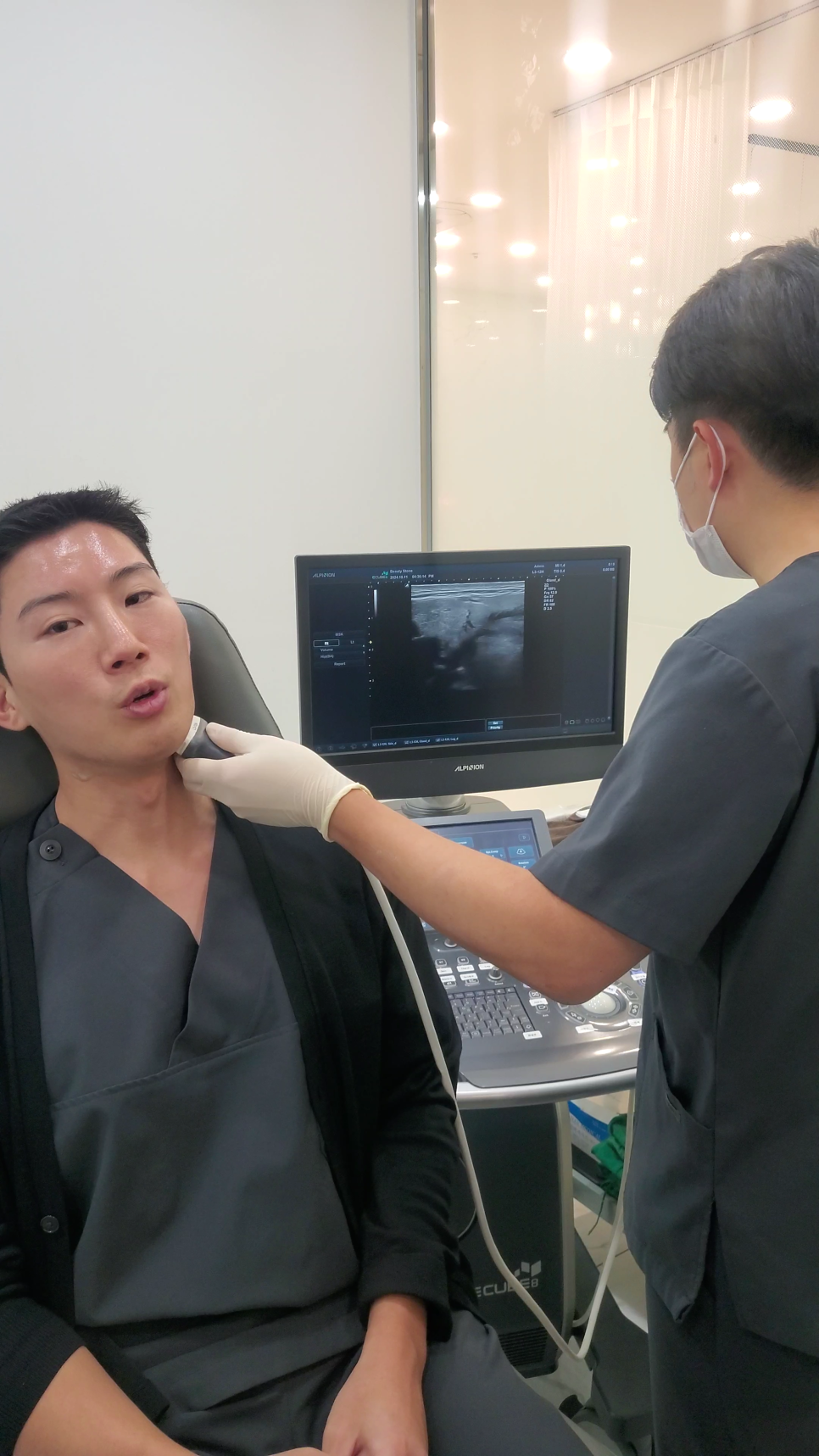
Recently, some clinics have been using ultrasound equipment
to directly check the muscle position
while performing the procedure.
Because the approach is done while visually confirming the area,
it can reduce errors,
make it possible to inject more precisely,
and may also help prevent side effects.
One-line summary of today’s content
1️⃣ Teeth grinding Botox helps reduce the intensity of teeth grinding.
2️⃣ For effective results, the exact area and dosage are key.
3️⃣ Along with price and reviews, look at the procedure standards as well.
That wraps up
my overall summary of teeth grinding Botox.
I hope this was of some help.
If you have any additional questions
about teeth grinding Botox,
please leave them in the comments anytime.
I’ll check and reply personally.
This has been Kim Jang-ju from Beautyst Doctors.