Hello,
This is We Youngjin from Sinchon Station Dermatology.
As we get older, the melasma and spots that appear one by one
can clearly reach the limits of being covered with makeup.
Especially during periods when UV rays become stronger,
skin tone changes tend to stand out even more
whenever you look in the mirror.
For those who do not want to miss the golden time for pigment treatment,
the procedure most often discussed these days at Sinchon Station Dermatology
is pico toning.
Today,
from the principles of pico toning
to ways to reduce side effects,
based on the 12 questions customers ask most often
in the consultation room at Sinchon Station Dermatology,
I’ll go through everything one by one
in depth.
- What exactly is the principle behind pico toning
for removing pigment?
The “Pico” in pico toning
is a unit meaning one trillionth of a second.
It means energy is delivered
1,000 times faster than conventional lasers (nano units).
At Sinchon Station Dermatology,
this principle is usually explained in two ways.
First,
it is a powerful shock wave.
When laser energy
is concentrated on melanin pigment
for a very brief moment,
that pigment is broken into
very fine powder-like particles.
Second,
it is the cleaning action of white blood cells (phagocytes).
When pigment that was originally in larger clumps
is broken into smaller pieces,
our body’s immune cells recognize it as a foreign substance,
make it much easier to absorb,
and then
eliminate it from the body.
It is very similar to the principle of tattoo removal,
and the key lies in
strong yet precise targeting.
- Why is a 10-session package the standard?
Do you have to complete all of it?
Pigment is like a “sandcastle”
stacked in layers within the skin.
If you try to bring it down
with one strong impact,
the skin surface can get burned.
That is why at Sinchon Station Dermatology,
the concept of “accumulation” is explained first.
With each treatment,
about 10% of the overall pigment is thought to be
broken down little by little.
When this process is repeated,
and the treatments accumulate up to 10 sessions,
there is a visible overall reduction in pigment.
Usually, from around the fifth session,
many people begin to feel that
“their skin tone has definitely become clearer.”
- Why is the treatment interval one week?
Can’t I get it more often?

Some people are so eager
they want to get treated every day,
but
you cannot ignore the skin’s “recovery time.”
This is also a point
that Sinchon Station Dermatology always emphasizes.
During the process where laser destroys melanin,
micro-inflammatory reactions occur
inside the skin.
It usually takes 7 to 10 days
for this inflammation to subside
and for the skin to return to normal.
For younger people with better regenerative ability,
a one-week interval is appropriate,
but
for older patients,
regeneration is relatively slower,
so around 10 days of sufficient rest
may also be recommended.
- Does it work on other types of pigment besides melasma?
Pico toning is specialized for treating melasma,
but its uses are much broader.
At Sinchon Station Dermatology as well,
patients often come in with complex pigment concerns
nrather than melasma alone.
It can target not only epidermal melasma,
but also deep-set pigment conditions such as dermal pigment
and Ota’s nevus,
which are more difficult to treat,
so it can help address more complex concerns.
- I’m worried about downtime when my skin flares up after the procedure.
One major advantage of pico toning
is that it has almost no impact on daily life.
This is something
that office workers especially ask about
at Sinchon Station Dermatology.
There may be slight redness immediately after the procedure,
but
it usually fades within about 1 to 2 hours.
It may take about 1 week to 10 days
for the skin to fully calm down beneath the surface,
and for people with good regeneration,
5 to 7 days is often enough.
- How painful is it?
Does it hurt a lot?
Even if you are sensitive to pain,
you can feel at ease.
It is mild enough to be performed
without numbing cream.
During the treatment,
it is often described as
“just a slight stinging sensation”
or
“like a rubber band snapping against the skin.”
- Why is it necessary to apply moisturizer after the procedure?
When laser energy reaches the skin,
the moisture in the skin barrier can evaporate momentarily,
causing dryness.
That is why at Sinchon Station Dermatology,
post-treatment moisturizing is explained as
a “must-have” care step.
Products that contain a moderate amount of oil
are better than products with only moisture.
Applying plenty of products that can form a protective barrier on the skin,
such as moisturizers for atopic skin or regenerative creams,
can help calm sensitized skin more quickly.
- What are the benefits of combining it with other procedures?
Pico toning works well on its own,
but there are combinations that create synergy.
This is also something
that Sinchon Station Dermatology often designs together
depending on the skin type.
If blood vessels are developed around the melasma,
pigment tends to recur more easily,
so combining it with a vascular laser
to block the source may also be recommended.
In addition,
if Rejuran skin booster is combined,
while the laser breaks down the pigment,
it also helps create a healthier skin environment,
which can speed up pigment elimination
and make the complexion look clearer.
- When can I start wearing makeup or washing my face after the procedure?
It is possible immediately on the same day.
Because this is not a treatment
that creates wounds on the skin surface,
light face washing and makeup are both fine right away.
That is why at Sinchon Station Dermatology,
many people ask about lunchtime procedures.
- Pico toning side effects — is it really safe?
As with any procedure,
too much of a good thing is not good.
This is the part
that Sinchon Station Dermatology explains most carefully.
If you become too eager
and perform the treatment with excessively strong energy,
it can instead cause post-inflammatory hyperpigmentation (PIH),
which may make the melasma darker.
Accurately understanding each person’s skin thickness
and the depth of the pigment,
and then precisely adjusting the energy,
is the key to preventing side effects.
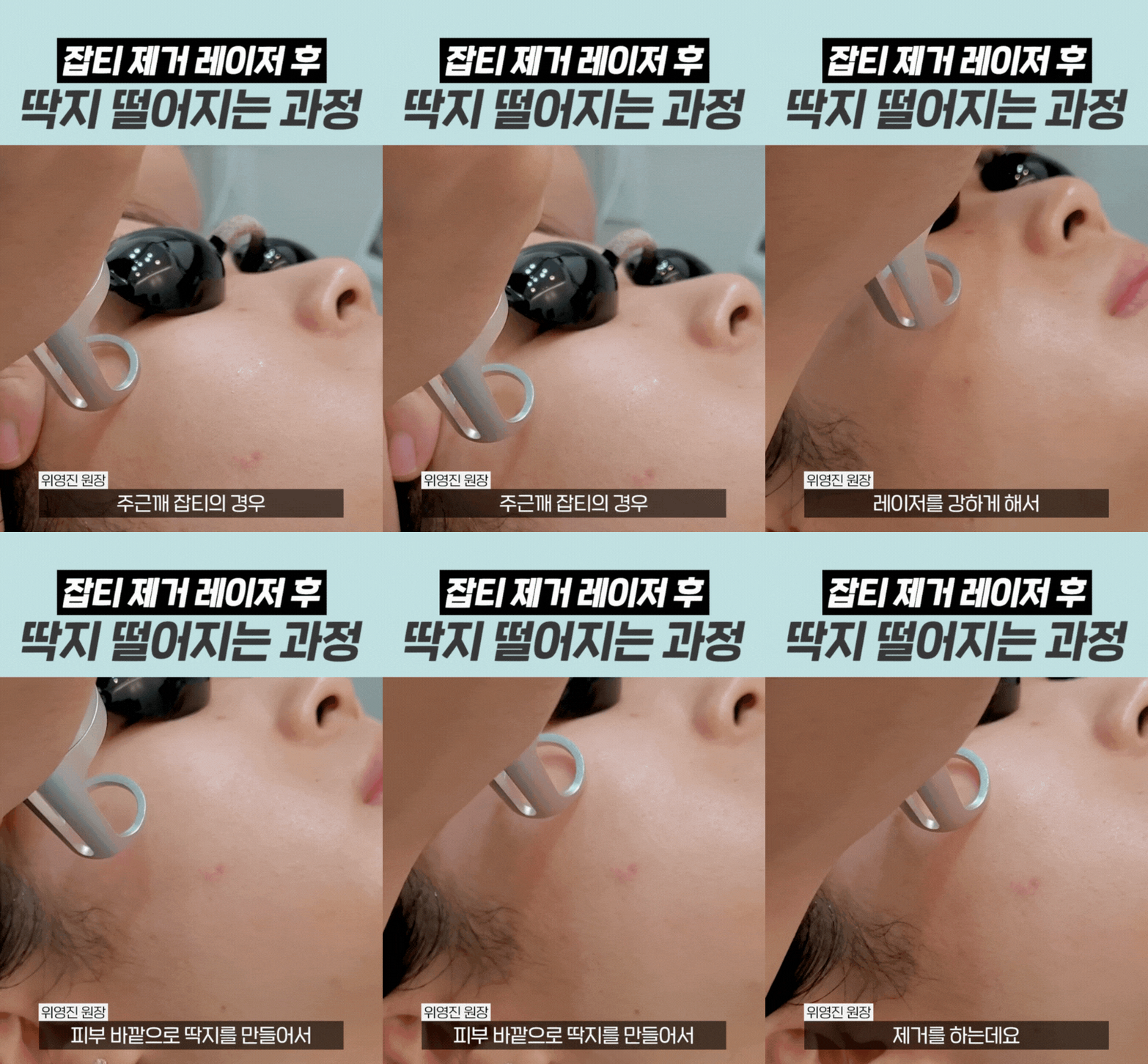
- Do scabs form after the procedure?
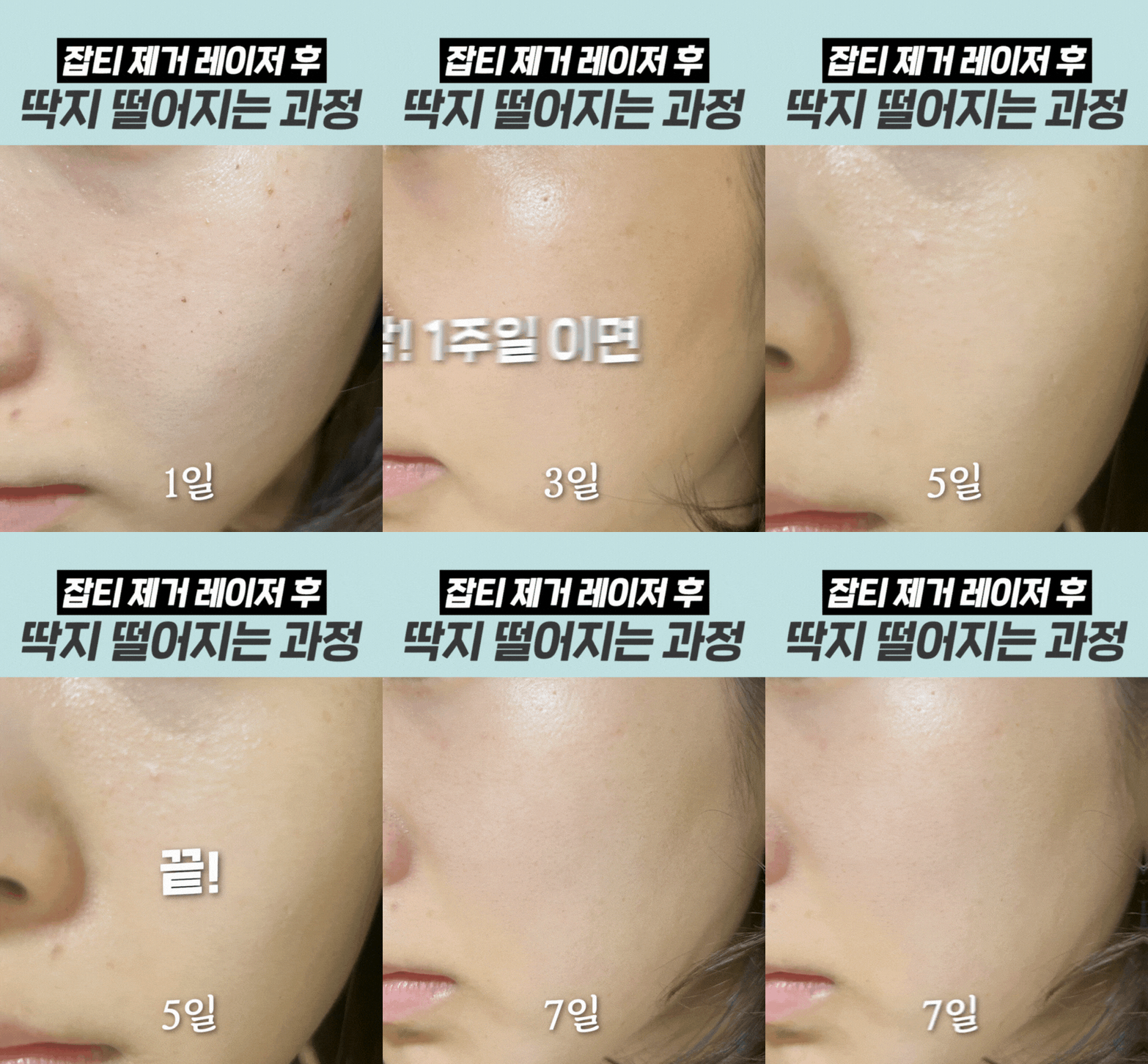
No.
They almost never form.
Some conventional pigment lasers work in a way that requires scabbing
for results to appear,
but
pico toning preserves the skin surface
while selectively targeting only the melanin inside,
so in most cases it is managed
without worrying about scabs.
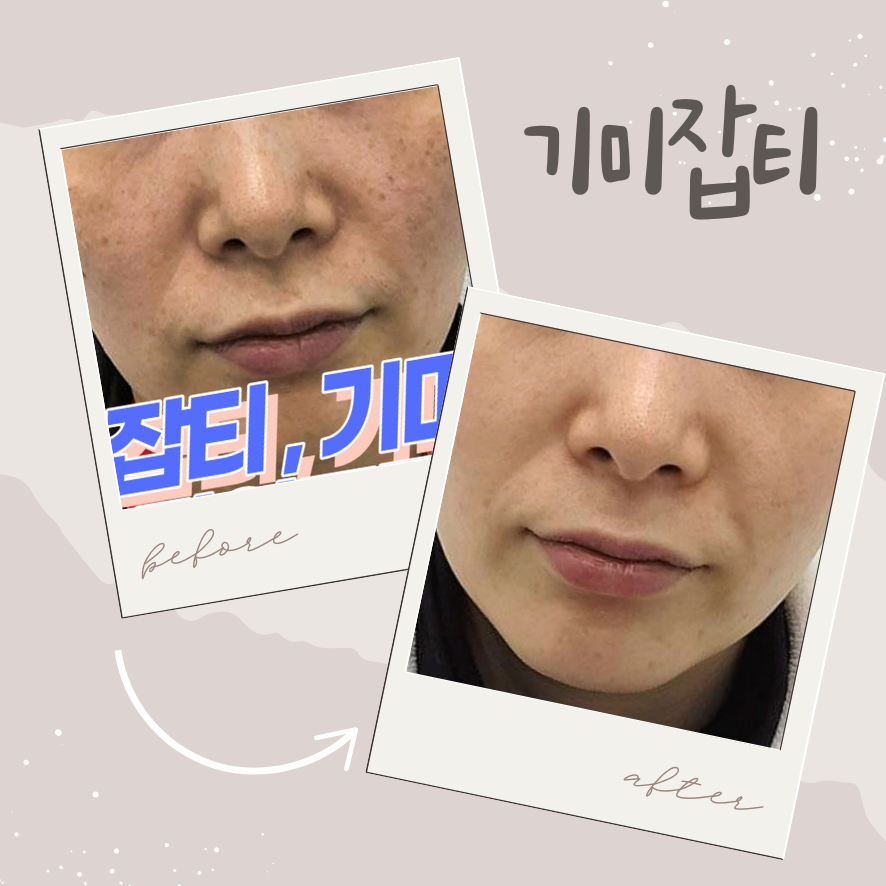
- What do before-and-after photos showing results usually look like?
Usually, before treatment,
the complexion looks patchy
and somewhat dull,
but as the sessions continue,
it becomes more toned up overall
and clearer.
Rather than a single isolated dark patch of melasma disappearing all at once,
it often appears in the direction of
a cleaner overall skin texture and tone.
Pico toning gives the best results
not when you try to solve everything in one go,
but when regular care
and proper post-treatment care are combined.
Based on what we summarized today,
I hope you can start planning healthy pigment treatment
through consultation at Sinchon Station Dermatology
that fits your skin condition.
Thank you for reading.
This was We Youngjin from Sinchon Station Dermatology.