Hello.
This is Kim Ha-won.
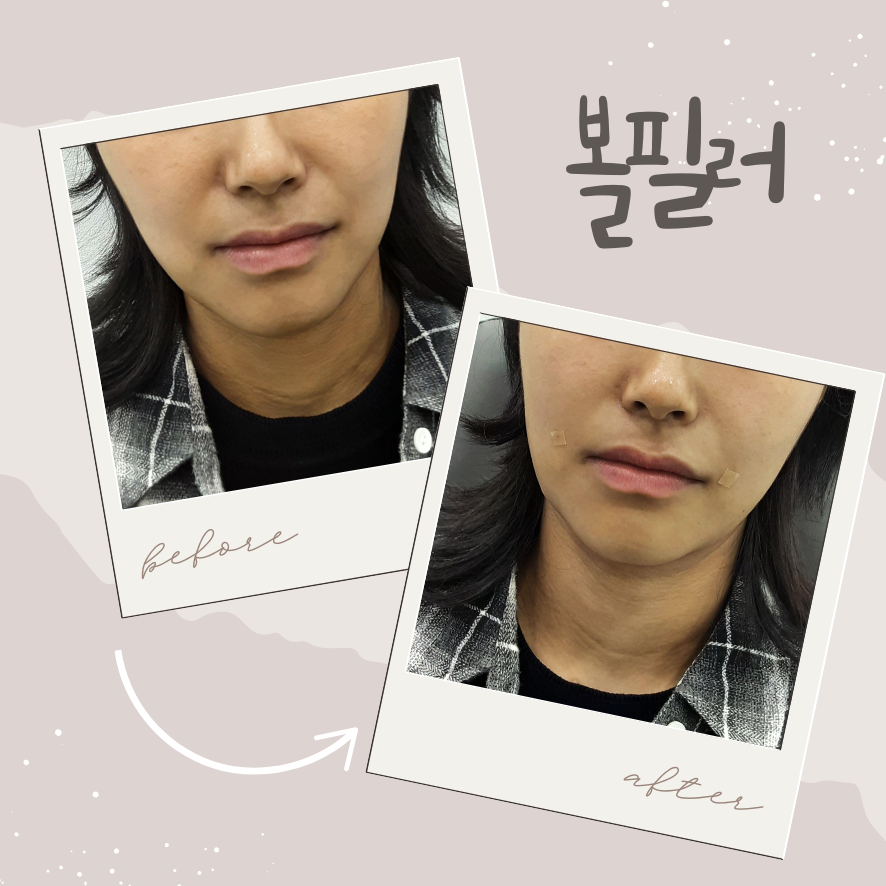
Cheek filler is a treatment that fills in sunken areas of the face
and adds vitality.
At first glance,
it may seem like a simple procedure,
but once you start considering it,
there are more questions than expected.
In fact, at dermatology clinics in Yeouido,
the following questions are the ones we hear most often.
“Is this really a procedure I need?”
“What if I get it and end up looking even more unnatural?”
Today, instead of promotional explanations,
I will organize the most frequently asked questions from the clinic
one by one according to medical standards.
Why One Cheek Can Make You Look 5 Years Younger
As we age,
the biggest reason the face changes is often
not simply skin sagging,
but a decrease in facial fat.
In particular,
when the volume of the side cheek, front cheek, and the line below the cheekbone decreases,
the cheekbones appear more pronounced,
and the face can look sharper.
When talking with patients,
even if they do not have many wrinkles,
there are many cases where the reason they hear
“you look tired” or “you look older”
is this kind of structural change.
Cheek filler can restore lost volume without surgery
and create dimension in the center of the face,
making it a key anti-aging treatment.
However, the important point is
🍑 not how much is injected,
but
🍑 where and how it is filled.
Q1. Domestic vs. imported filler

Is an expensive filler always better?
To get straight to the point,
not necessarily.
Among the people who visit,
many say,
“An expensive filler seems like it would last longer and look better.”
But clinically,
it is not that simple.
Most of the price difference between fillers comes not from differences in material properties,
but from brand value and the length of accumulated clinical data.
Features of imported fillers
🍑 Used worldwide for a long time
🍑 Rich long-term safety data
🍑 Suitable for those who prioritize stability
Features of domestic fillers
🍑 Technology has already reached a high standard
🍑 Sufficient volume effect at a reasonable price
🍑 Suitable for design-focused procedures
From the clinical standards of a Yeouido dermatology clinic,
when the same amount is injected into the same area,
there is almost never a dramatic difference in volume.
Ultimately, what determines the result is not the filler brand,
but the clinician’s design and anatomical understanding.
Q2. Do different areas need different fillers?
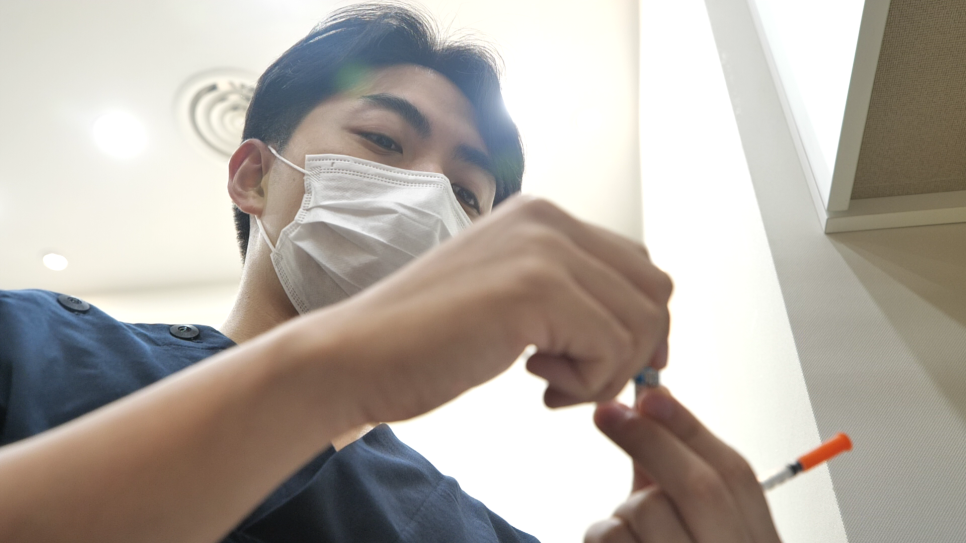
Absolutely.
The face may look like one structure,
but in reality, each area has different
skin thickness, tissue firmness,
and degree of movement.
From the perspective of a Yeouido dermatology clinic,
when a filler that does not suit the area is used,
the most common problem
is unnaturalness.
Firm filler
🍑 Chin tip, nose
🍑 Areas where maintaining shape and support are important
Soft filler
🍑 Lips, under-eye area
🍑 Areas with a lot of movement and where texture matters
Medium-viscosity filler
🍑 Cheeks, forehead
🍑 Areas that need to be filled naturally over a broad surface
Among these, cheek filler is an area where balancing line, feel, and longevity
is especially important,
so choosing the material properties is very important.
Q3. How long does cheek filler last?
The duration depends more on the movement of the treated area
than on the type of filler.
During consultations at a Yeouido dermatology clinic,
the most misunderstood part is precisely this duration.
Areas with shorter duration
🍑 Lips
🍑 Part of the nasolabial folds
Because these areas involve a lot of muscle use,
such as speaking and chewing,
they break down more quickly.
👉 Average: 6 months to 1 year
Areas with longer duration
🍑 Cheeks
🍑 Forehead
🍑 Chin
These areas have less muscle movement
and are structured to hold filler more easily.
👉 It is common for them to last 2 to 5 years or longer.
In particular, cheek filler tends to have good longevity
because it moves relatively little
and is distributed over a broad area.
From the standards of a Yeouido dermatology clinic,
it is considered one of the more durable areas.
Q4. Is it better to inject a lot at once?

The rule of thumb is
‘stop when it still seems slightly 부족한.’
Among the people who come in for retreatment consultations,
the most common case
is when “too much was injected the first time.”
When there is not enough
🍑 Touch-up is easy
🍑 Facial changes look natural
🍑 Satisfaction is high
When there is too much
🍑 The filler has to be dissolved
🍑 Dissolving medications are difficult to fine-tune
🍑 They may affect areas you did not want to change
That is why experienced clinicians place the most importance on designing without being greedy from the start.
Key Point to Remember
Filler is about ‘design,’ not just the product
Even with the same filler,
even with the same amount,
the results can be completely different.
If you do not consider face shape, cheekbone structure,
fat distribution, and left-right asymmetry,
you may gain volume
but lose naturalness.
When choosing a dermatology clinic in Yeouido,
rather than “which filler they use,”
it is better to pay more attention to whether they explain
“why this amount is being placed in this area.”
Cheek filler is not a treatment for simply filling in
It is a treatment for balancing
Cheek filler is not simply a procedure that fills sunken areas.
It adjusts the overall center of gravity of the face,
softens the impression,
and
reduces the elements that make you look older.
A uniform dosage is not the answer;
an approach tailored to your facial structure
and skin condition
produces the highest satisfaction.
Through a consultation at a Yeouido dermatology clinic,
I hope you can receive a sufficient explanation
and find a natural volume design
that suits you.
If you have any questions,
please feel free to leave them anytime.
Thank you for reading.
This was Kim Ha-won.
(If filler feels burdensome ▼)